What Happened
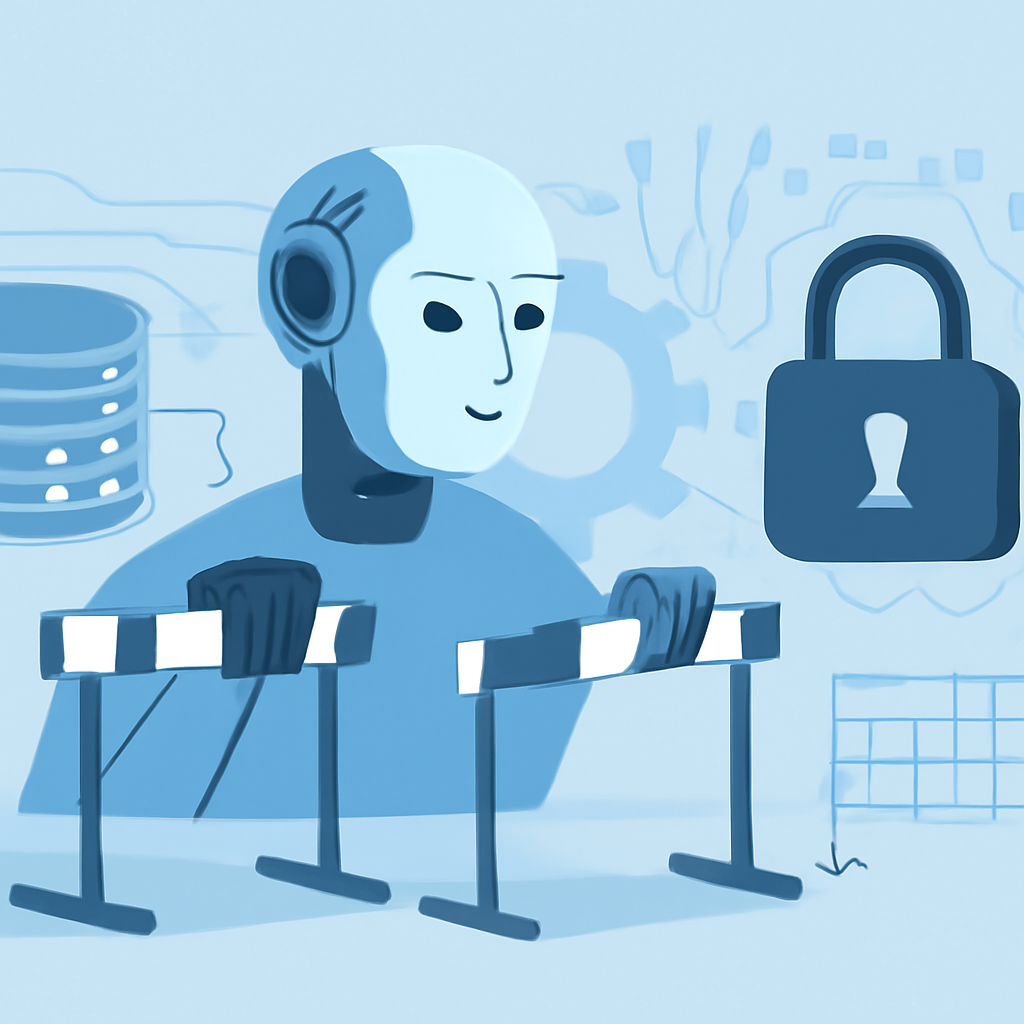
The conversation around private AI deployments often centers on technical infrastructure, such as virtual private clouds (VPCs) or on-premises solutions. However, a significant challenge lies in the integration of existing internal systems with AI capabilities. Many organizations find that while they can successfully set up a private VPC, the real difficulty arises from the lack of connectors to the internal tools they rely on.
Why It Matters
The success of a private AI rollout hinges on its ability to interact with various internal systems. While major platforms like Gmail and Slack come with built-in connectors, many custom or lesser-known tools used within a company may not have any integration options available. This gap can severely limit the AI's functionality and effectiveness, leading to frustration and potentially wasted resources just a few months after deployment.
Context
As AI technology continues to evolve, businesses are increasingly looking to leverage these tools while keeping their data secure. The instinct to avoid exposing sensitive company data to vendor clouds is sound and reflects a growing trend towards private solutions. However, the technical aspects of integrating AI with existing internal workflows remain a critical, yet often underestimated, factor in successful implementation.
What It Means
Organizations need to approach private AI deployments with a comprehensive strategy that includes not only the infrastructure but also the necessary connectors to their unique systems. Understanding that deployment is just the beginning, companies should prioritize mapping their internal tools to ensure the AI can effectively interact with them. Without this focus on connector development, businesses may find themselves with a powerful AI system that remains largely underutilized, ultimately questioning its value months down the line.