What Happened
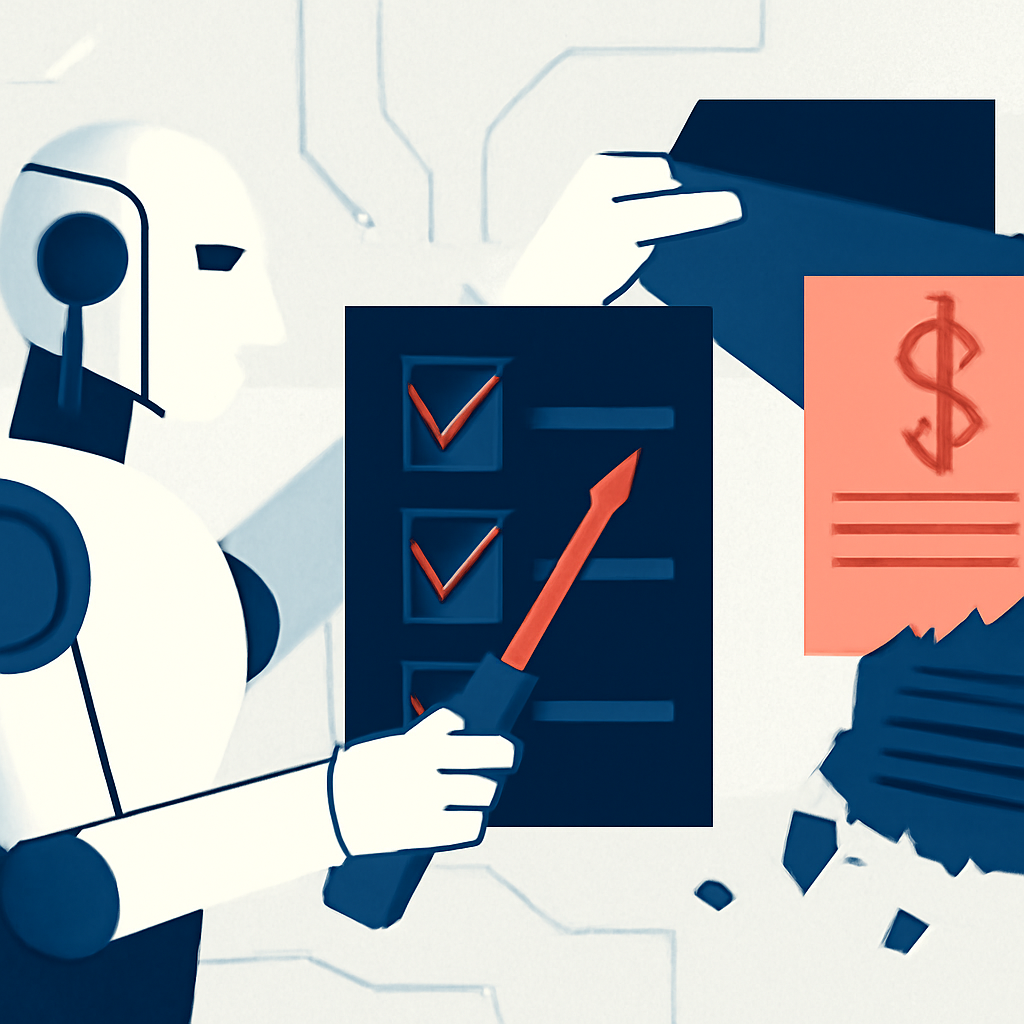
A new project called AutoFlow aims to change the way we interact with AI by introducing a verification engine. Unlike traditional AI applications that simply present answers, AutoFlow focuses on whether these answers can be mathematically and logically verified. The initial phase targets the finance sector, where inaccuracies can lead to significant financial losses.
Why It Matters
The implications of this project are substantial. By establishing a system where AI can prove the accuracy of its outputs, users might gain a greater sense of trust in AI technologies. This is particularly important in fields like finance, where errors can have real consequences. The verification process ensures that every piece of information is backed by evidence, potentially reducing the trust gap between AI and its users.
Context
AutoFlow is built on a foundation of sophisticated engineering, incorporating several components like an evidence extraction pipeline, a C++ verification core, and a covenant calculation engine. The goal is to create a Universal Trust Engine that can be applied across various domains, not just finance. This approach contrasts with existing models that often struggle with accuracy in complex verification tasks, particularly under financial scrutiny.
What It Means
The early results from AutoFlow indicate that while strong reasoning models exist, they still produce inaccuracies under financial verification tasks. This underscores the need for a more robust verification process that goes beyond simple evidence retrieval. By enabling AI systems to independently verify their conclusions, AutoFlow could pave the way for a future where AI is not just a tool but a reliable partner in decision-making. The project is currently in the benchmarking phase, testing various AI models to identify their strengths and weaknesses in verification tasks.