What Happened
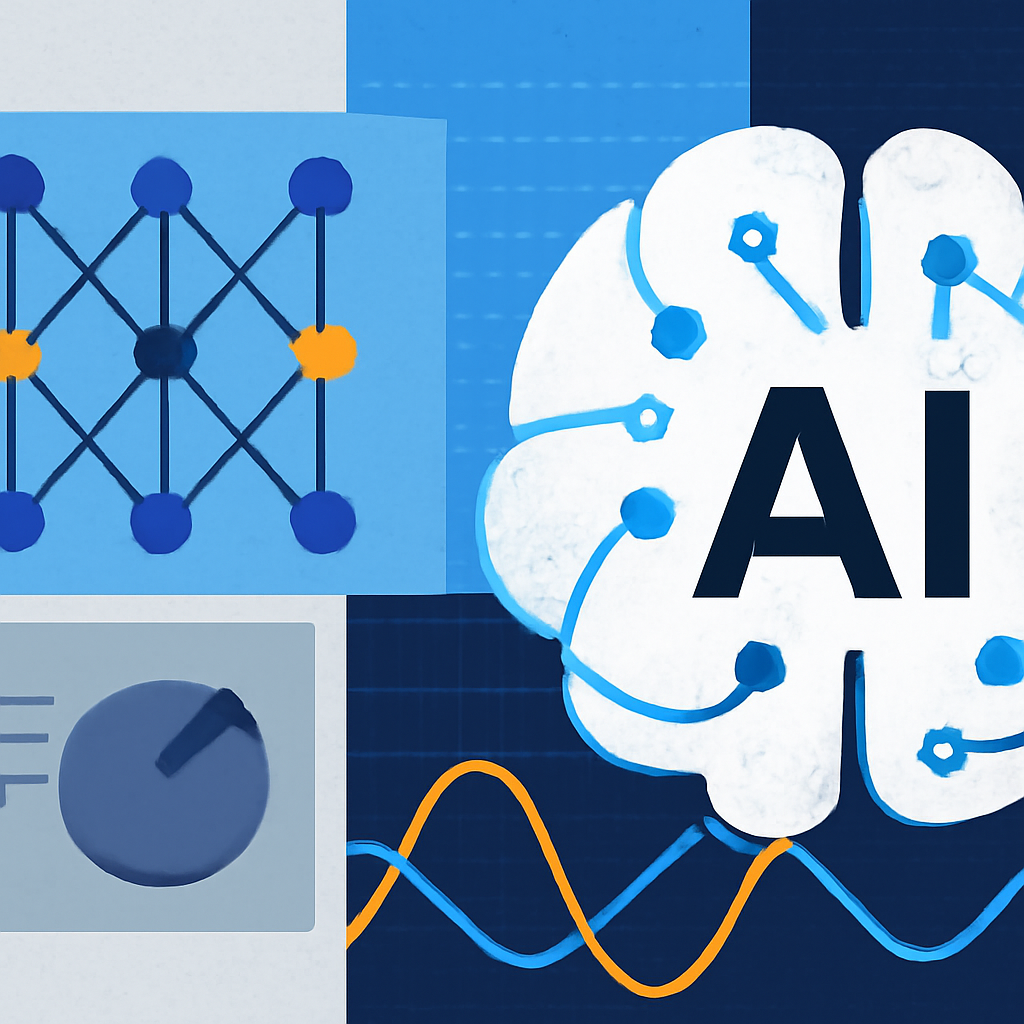
Tyler Suard, a former developer at major companies like Apple and Meta, has introduced a project called KnobNet. This device allows users to train neural networks using physical controllers, such as potentiometers. Instead of relying on traditional programming interfaces, users can manually adjust parameters, creating a new level of interaction with AI.
Why This Matters
The idea of shifting the neural network training process into the physical realm could transform the approach to AI development and tuning. This opens up new opportunities for learning, enabling users to intuitively adjust parameters, which can be particularly beneficial for those without deep technical expertise. This method could significantly simplify the process and make it more accessible.
Context
Current methods of training neural networks primarily focus on software interfaces and algorithms, requiring a certain level of programming and mathematical skills. KnobNet offers an alternative based on principles familiar to many from the worlds of music and electronics, where manual control and fine-tuning are commonplace.
What This Means
The KnobNet project could represent a significant step toward simplifying neural network usage. It may also lead to new developments in AI toolsets, where physical control elements become an integral part of the workflow. In the future, this could result in more intuitive and accessible solutions for training and tuning deep neural networks, broadening their application across various fields.