What Happened
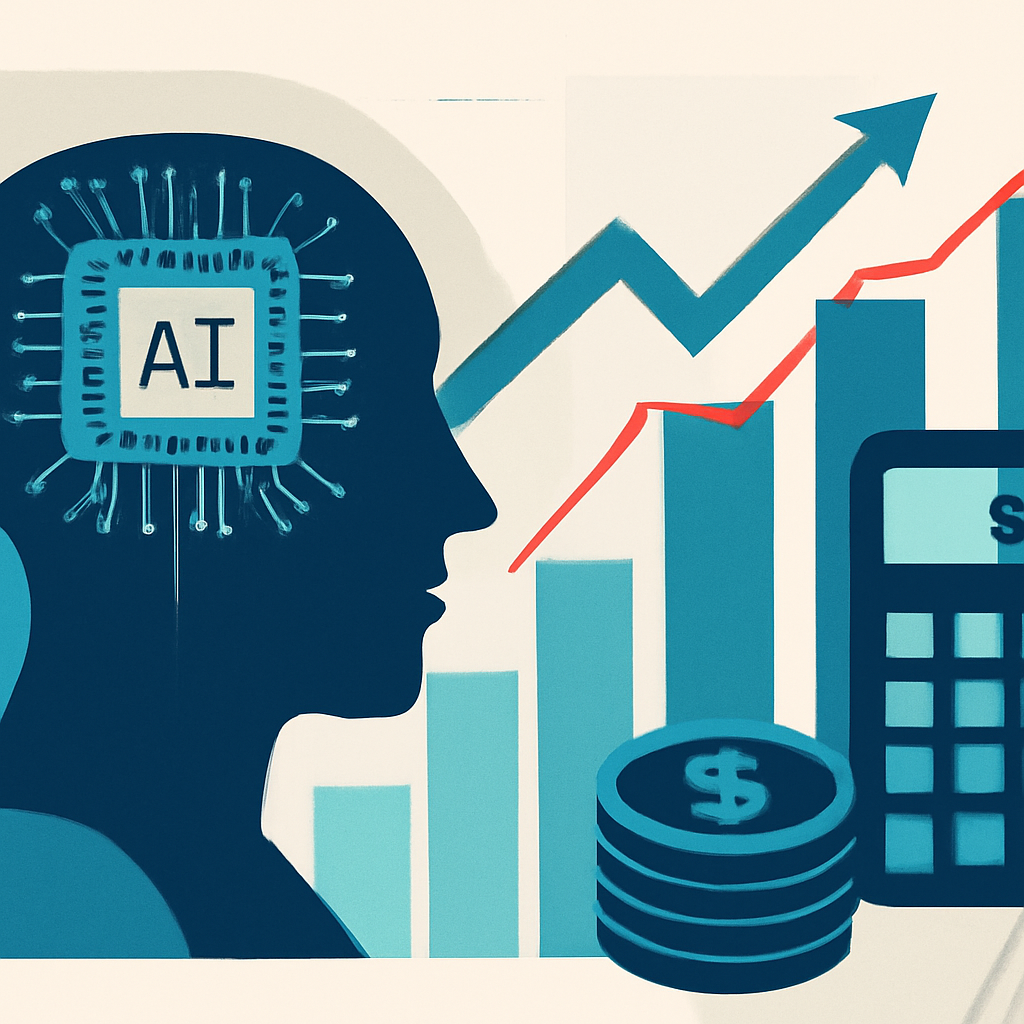
AI agents are becoming more capable of handling complex tasks, from scheduling to financial transactions. However, as they gain independence, a significant challenge emerges: verifying their identity and ensuring they operate within set permissions. This concern grows when agents are involved in actions that require trust, such as approving purchases or moving funds.
Why It Matters
The implications of unregulated AI actions could be profound. If an AI agent misunderstands instructions or acts outside its permissions, it could lead to financial loss or operational chaos. For companies to embrace AI agents fully, there must be a reliable way to track their actions and hold them accountable, similar to human employees who have clear identity and access controls.
Context
Currently, businesses rely on identity verification, access logs, and legal frameworks to manage human employees. As AI technology evolves, it’s essential to develop parallel structures for AI agents. This includes systems that can authenticate an AI's identity, monitor its decisions, and provide a clear audit trail of its actions.
What It Means
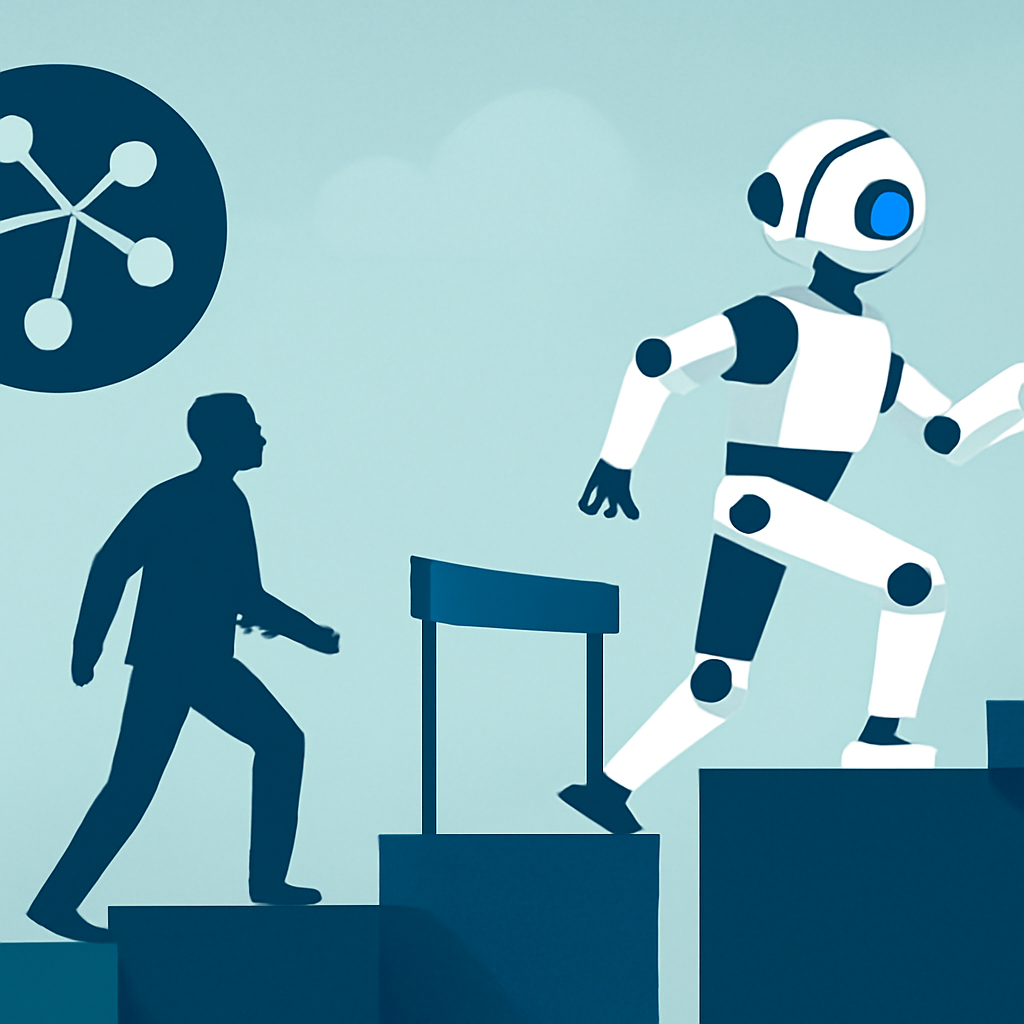
Moving forward, the next big advancement in AI may not be about improving their intelligence but rather establishing a comprehensive framework for agent identity and accountability. This could involve creating protocols that ensure every action taken by an AI is traceable and reversible, addressing the trust issue that companies face. Until these systems are in place, human oversight will likely remain a crucial component in allowing AI agents to operate autonomously.