What Happened
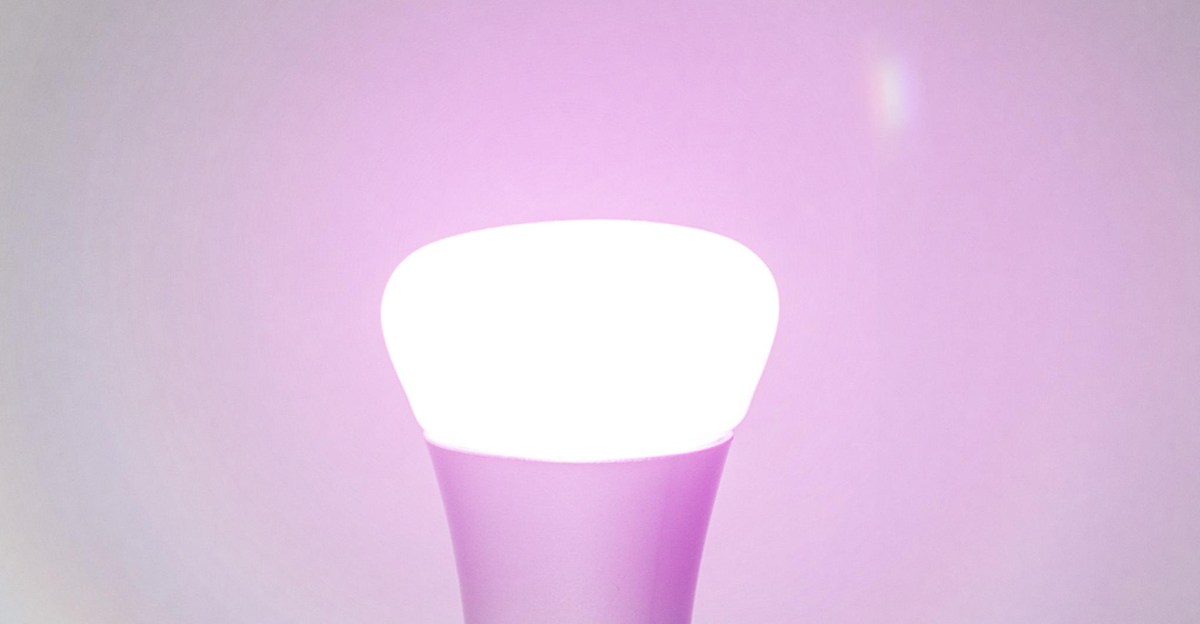
Philips Hue has emerged as a frontrunner in the smart home revolution, particularly in the realm of lighting. This smart lighting system allows users to control their lights remotely, set different moods, and integrate seamlessly with various smart home ecosystems. Its user-friendly interface and versatile features have made it a popular choice for homeowners looking to enhance their living spaces.
Why It Matters
The success of Philips Hue signifies a shift in consumer expectations regarding smart home technology. Users now expect devices that not only function well but also blend effortlessly into their daily lives. This has prompted competitors to rethink their strategies, focusing more on user experience and interoperability among devices. The implications for the market are vast, as companies aim to create products that enhance comfort and convenience without the need for extensive setup.
Context
The evolution of smart home technology has been marked by challenges, including compatibility issues, complex setups, and a lack of intuitive design. Philips Hue, launched in 2012, addressed these pain points by offering a system that is both easy to install and use. Its ability to connect with other smart devices and platforms, such as Amazon Alexa, Google Assistant, and Apple HomeKit, has set a benchmark in the industry.
What It Means
Philips Hue's approach illustrates that successful smart home solutions must prioritize simplicity and adaptability. As more consumers adopt smart home technologies, the lessons learned from Philips Hue will likely shape future innovations. Companies that can replicate this model of seamless integration and user-centric design will be well-positioned in the competitive landscape of smart home products.