What Happened
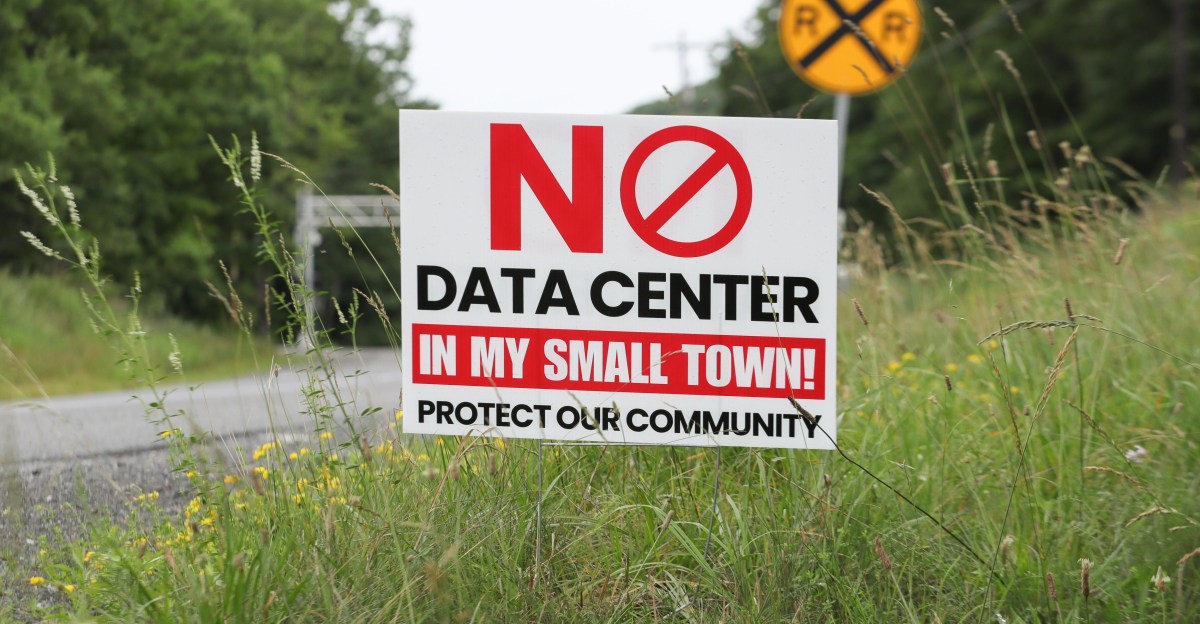
Recently, opposition to AI data centers has intensified, particularly in areas where planned facilities threaten local resources. Communities are rallying against the construction of data centers that consume significant energy, raising concerns about power grid stability and environmental impact. This backlash is not a new phenomenon; it traces back to earlier projects that sparked local protests.
Why It Matters
The expansion of AI data centers is creating a ripple effect across various regions, especially as these facilities require massive amounts of electricity to operate. As more companies invest in AI technologies, the demand for data centers is likely to increase, leading to conflicts with local residents who fear the consequences on their power supply and environment. This situation may force policymakers to reconsider the balance between technological advancement and community welfare.
Context
The roots of this opposition can be traced back to significant projects like Apple's planned data center in Athenry, Ireland, announced in 2015. Although that project faced backlash, it set a precedent for how communities respond to large-scale data facilities. The current wave of protests reflects a growing awareness of the implications of AI technology on local resources, highlighting the tension between corporate interests and community needs.
What It Means
The conflict over AI data centers signals a broader debate about sustainability and energy consumption in the tech industry. As communities become more vigilant about their resources, companies may need to adapt their strategies, prioritizing sustainable practices and engaging with residents to mitigate concerns. This ongoing struggle could reshape the future of data center construction and influence policy decisions regarding energy use in the tech sector.