Sуть
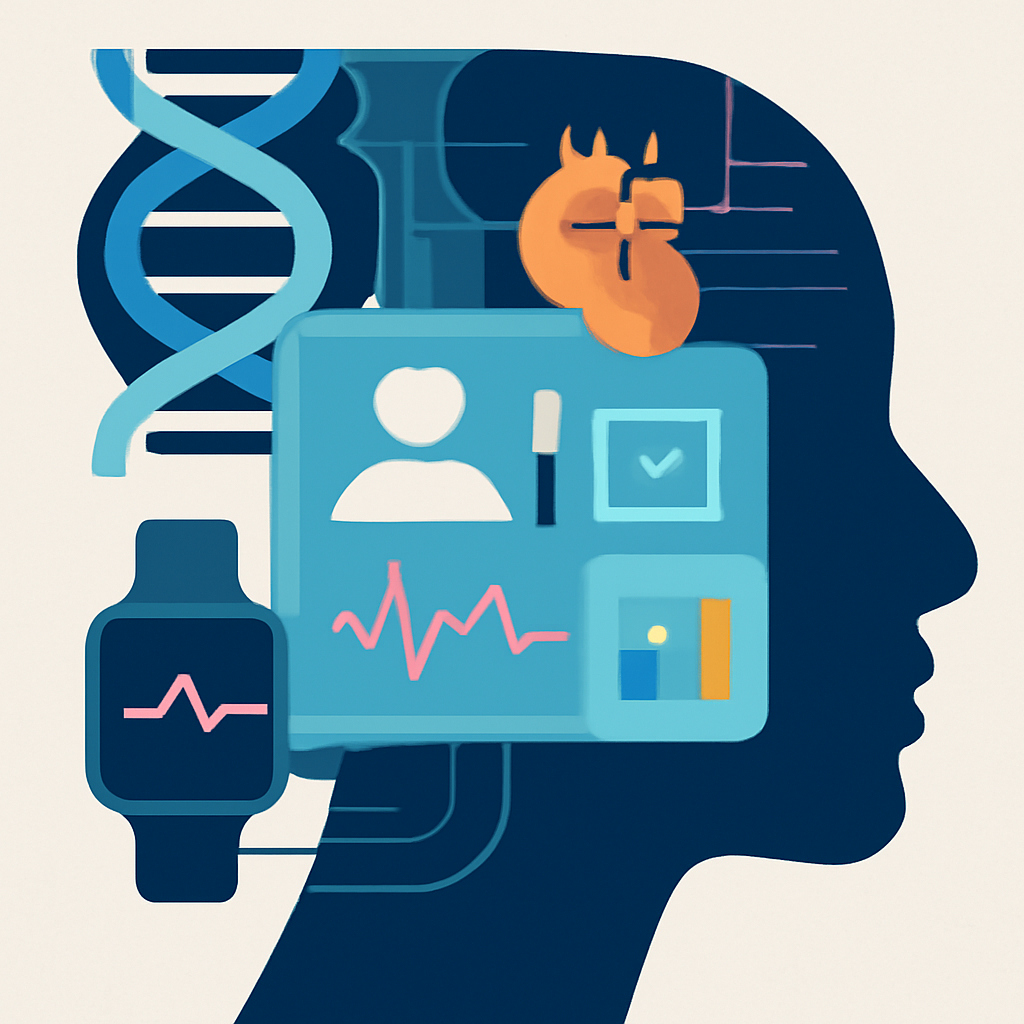
Recent advancements in healthcare technology are moving towards a more personalized experience for users. From prosthetic limbs that mimic natural functionality to gamified health apps, the focus is on creating solutions that feel like enhancements rather than just medical devices.
Как это работало
For instance, Jeremy Brown from Johns Hopkins University emphasizes the role of 3D printing in developing lifelike prosthetics. These innovations allow for custom designs tailored to individual needs, enhancing user acceptance. Meanwhile, wearable technologies like Skip's MO/GO exoskeleton amplify human capabilities, providing significant support during physical activities. This device not only helps with climbing but aims to integrate seamlessly into daily life, making it feel like an upgrade rather than a medical intervention.
In another realm, Stephen Gillett, CEO of Verily, applied gamification techniques to healthcare. By incorporating elements from loyalty programs and gaming, the Verily Me app encourages users to manage their health proactively. It provides nudges and rewards for achieving health milestones, creating a more engaging experience for users.
Результат
The outcomes of these innovations are promising. Prosthetic users report higher satisfaction levels thanks to the personalized fit of their devices. The MO/GO exoskeleton can provide up to 40% more power during uphill activities, enhancing user performance. Gamified approaches in the Verily Me app have shown to improve user engagement and adherence to health recommendations, paving the way for a more motivated patient community.
Why It Matters для тебя
These insights underline the importance of personalization in healthcare technology. As a practitioner, consider how you can implement similar principles in your own work: prioritize user experience and engagement, leverage data for customization, and explore gamification strategies to motivate behavior change. Embracing these trends can lead to better outcomes and a more satisfied user base.