What happened
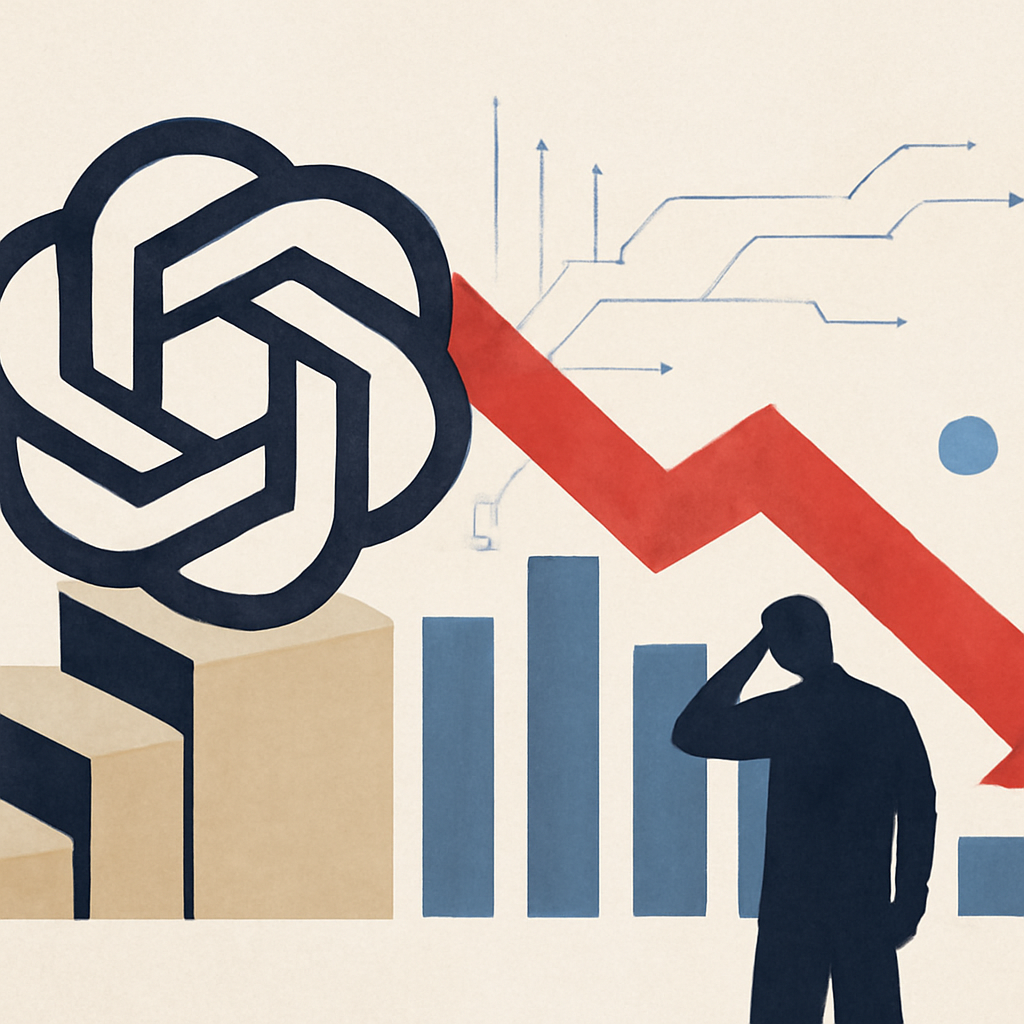
US stock futures took a downturn on Friday, particularly in the tech sector, following a report that OpenAI might delay its initial public offering (IPO) until 2027. The Nasdaq 100 futures fell by 1.2%, while S&P 500 futures decreased by 0.5%. This decline comes after a series of consecutive losses for both indices over the week, signaling growing unease among investors.
Why this matters
The potential delay of OpenAI's IPO raises concerns within the tech industry, as it suggests uncertainty in one of the sector's most anticipated public offerings. This news is compounding existing worries about rising costs for memory and storage components, which are impacting tech device manufacturers. Apple's recent price hikes for its MacBooks and iPads highlight the broader issue, as consumers face higher prices amid these supply chain challenges. The situation is further complicated by Micron's impressive earnings report, which indicates that the pressure on memory chip prices is likely to persist.
Context
OpenAI has been a key player in the AI landscape, and its IPO was highly anticipated by investors looking to tap into the booming artificial intelligence market. However, the delay reflects broader market dynamics that have been volatile recently. The tech sector has experienced significant fluctuations, influenced by factors like inflation, interest rate hikes, and supply chain constraints. These challenges have made investors cautious, particularly as tech stocks had previously enjoyed a bull run.
What this means
The news of OpenAI's potential IPO delay could further dampen investor sentiment in the tech sector, leading to more sell-offs in the short term. If rising component costs continue to squeeze margins for tech companies, we might see a prolonged period of volatility. Investors will need to keep a close eye on economic indicators and corporate earnings reports in the coming weeks to gauge the overall health of the tech market. The situation underscores the fragility of the current market environment, where even a single piece of news can trigger widespread reactions across sectors.