The Gist
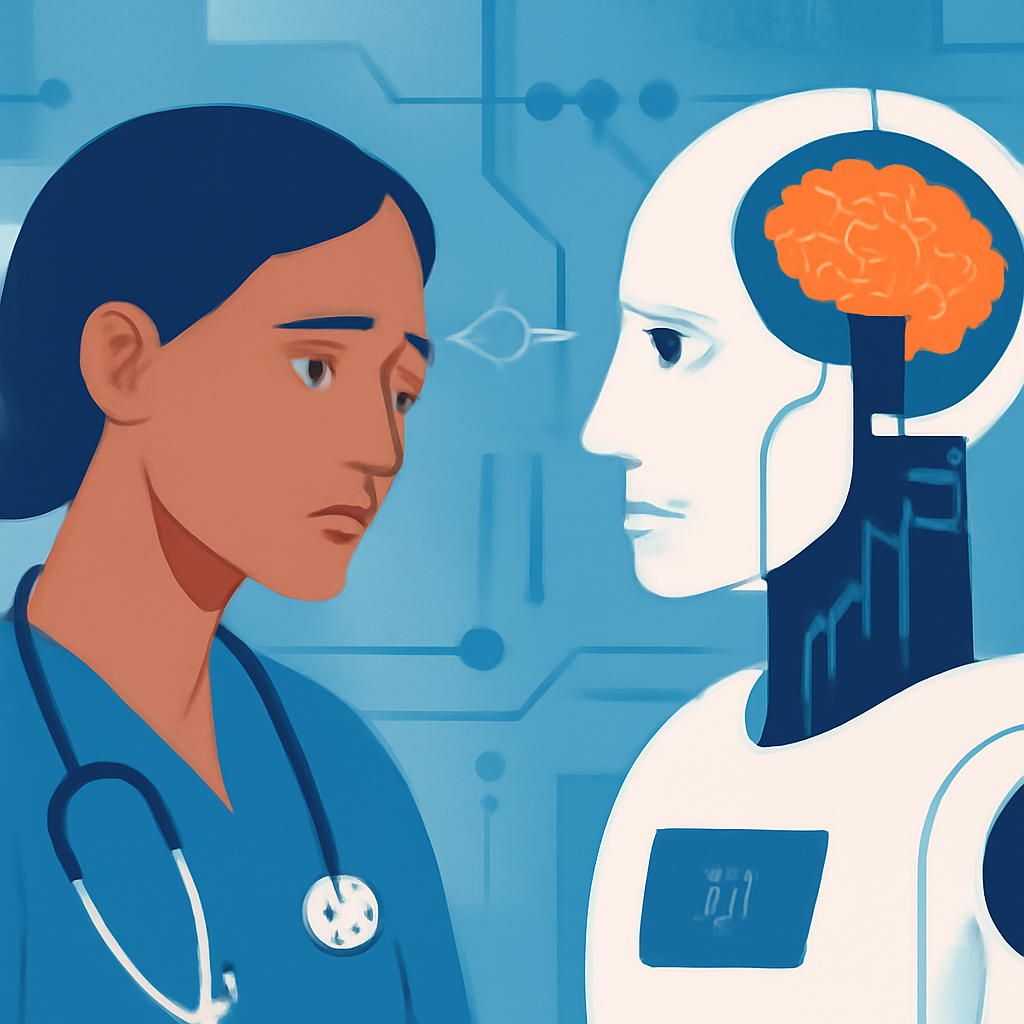
In 2024, Kaiser Permanente nurses in San Francisco protested the implementation of AI tools that monitor their performance, claiming it compromises patient care. Concerns centered around strict metrics, such as average call handling time, which led to fears of reprimands for prioritizing patient needs over productivity.
How It Worked
Nurses reported that AI was used to evaluate their performance, including monitoring call durations and assessing their tone and empathy. This monitoring system was met with resistance, as it pressured nurses to adhere to scripted responses and limited their ability to provide personalized care. Union representatives voiced that the AI tools could be revived despite protests, highlighting ongoing tension between management and nursing staff regarding AI's role in patient care.
Results
The backlash from nurses resulted in thousands going on strike, emphasizing a collective refusal to accept AI's influence on their professional autonomy. Surveys conducted by National Nurses United revealed that half of the surveyed nurses felt their assessments were overshadowed by algorithmic systems, raising concerns about patient safety and quality of care. Despite management's claim of responsible AI usage, many nurses felt trapped between efficiency demands and their duty to provide compassionate care.
Why It Matters for You
If you're in healthcare or any service-oriented field, this case underscores the importance of balancing technology with human empathy. Consider how data analytics and performance metrics can impact the quality of service you provide. It's crucial to advocate for systems that enhance rather than hinder your ability to care for clients or patients, ensuring that technological advancements serve to support, not replace, the human element in your work.