The Gist
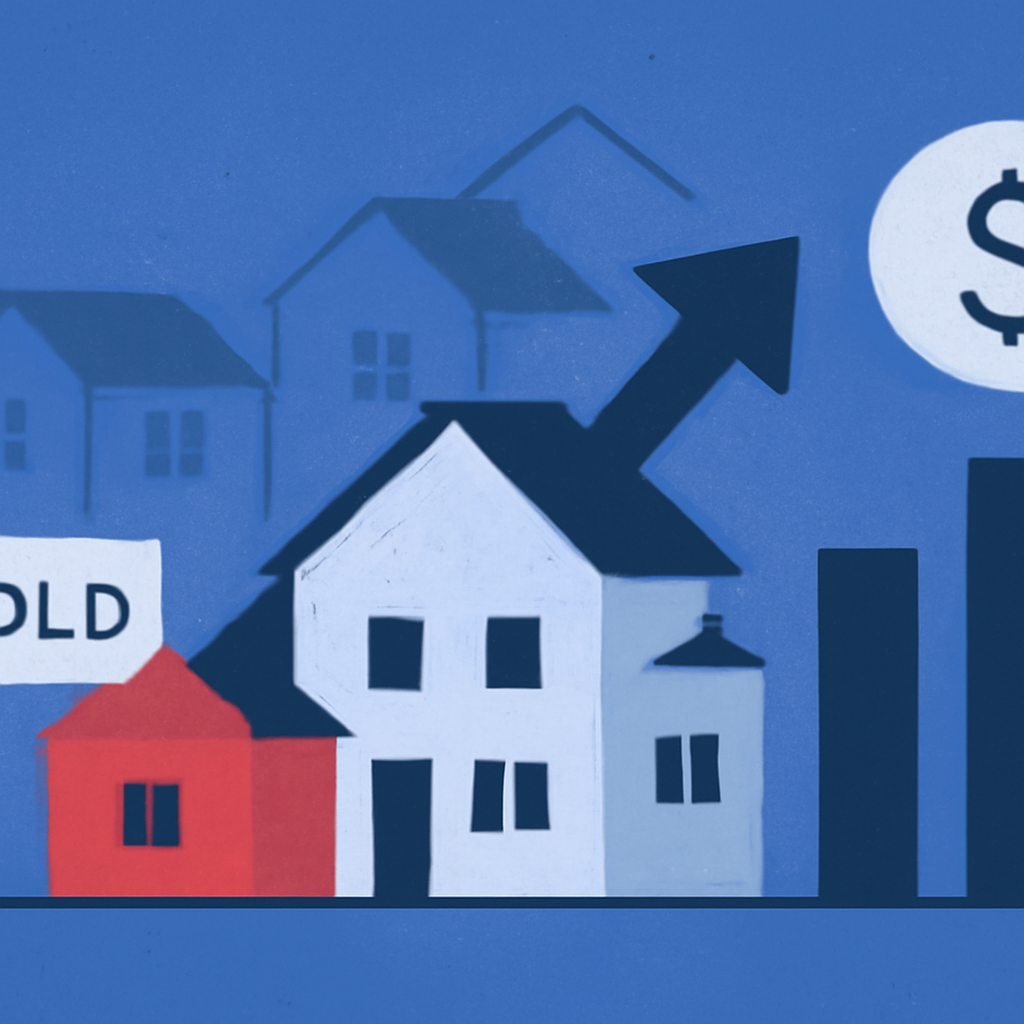
The housing market is experiencing a shift post-pandemic, characterized by rising active inventory and changing buyer dynamics. With mortgage rates up and demand waning, many previously hot markets are seeing corrections in home prices.
How It Worked
During the pandemic, a surge in demand led to a drastic decline in active inventory, with U.S. home prices skyrocketing by 43% from March 2020 to June 2022. As mortgage rates increased and remote work dynamics shifted, demand began to weaken in late 2022, particularly in West Coast and pandemic boomtowns. This resulted in a spike in active inventory as sales slowed down.
By early 2023, many markets stabilized temporarily, but the trend of rising national active inventory resumed, creating a 32-month streak of year-over-year increases. This change has been coupled with a slowdown in existing home price growth, which has fallen to around 1%, now lagging behind U.S. income growth of 3.4%.
Results
Active inventory at the end of June 2026 was still 9.6% below pre-pandemic levels, a significant improvement from 59.6% below in June 2021. In markets where inventory returned to pre-pandemic levels, home price growth has weakened or even declined. Conversely, areas with limited inventory have maintained stronger price growth.
Why It Matters for You
Understanding these trends can provide valuable insights for homebuyers and sellers. If you're in a market with rising inventory, it may be wise to negotiate harder as buyers regain leverage. Sellers in tighter markets might still have the upper hand, but should be aware of the changing dynamics. Staying informed about local inventory levels and broader trends can help you make smarter decisions in this evolving landscape.