What Happened
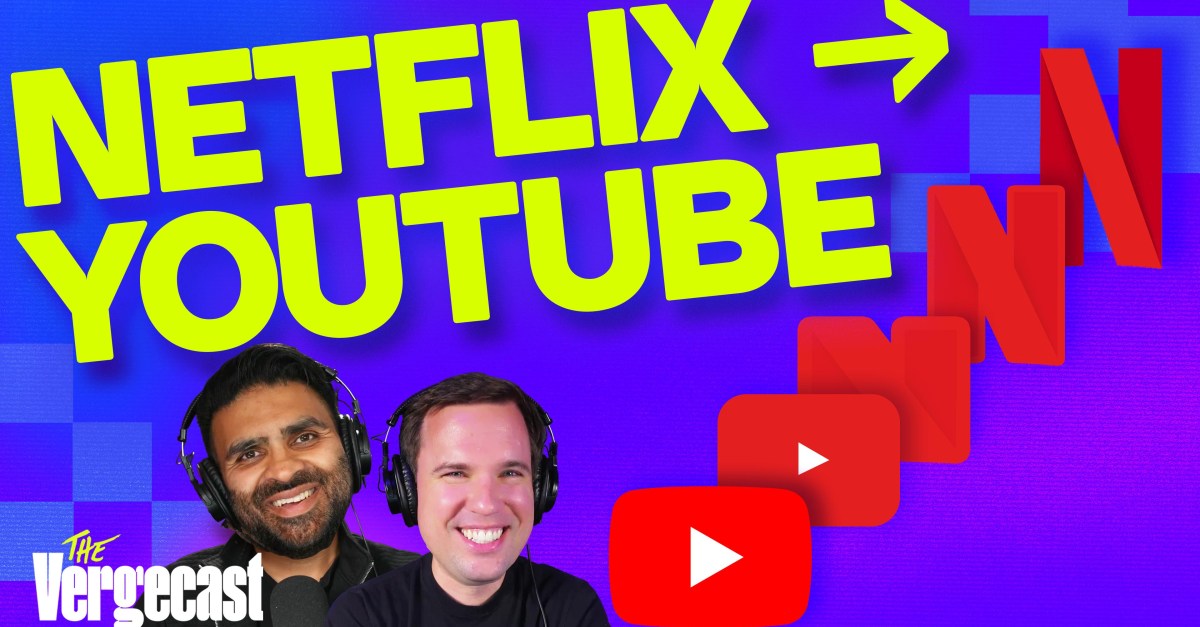
Netflix is no longer just a platform for streaming movies and TV shows. Recently, it has expanded its content portfolio to include video games, live sports, podcasts, and now, YouTube-style videos. This diversification raises questions about the direction the company is heading and whether it is trying too hard to compete with platforms like YouTube.
Why It Matters
This shift in focus could signal a significant transformation in how Netflix views its competition. Traditionally seen as a leader in on-demand television, Netflix now seems to view sleep as its biggest rival, pushing the boundaries of its content to keep viewers engaged. However, the question arises whether this plethora of content will resonate with its audience or dilute its brand identity.
Context
Historically, Netflix revolutionized the way we consume media by providing on-demand access to a vast library of films and series. Over the years, the company has continually evolved, venturing into original programming and even foraying into the world of gaming and live events. The latest move to incorporate YouTube-like videos appears to be another step in this ongoing evolution, but it also highlights the challenges of competing in a crowded digital landscape.
What It Means
The addition of YouTube-style videos could either enhance Netflix's appeal or confuse users. While expanding content variety is a way to attract new subscribers, it also risks alienating long-time fans who prefer traditional streaming. As Netflix tries to carve its niche in an increasingly competitive environment, the success of this strategy will depend on how well it balances its core offerings with new content types. The future will reveal if Netflix can successfully navigate this complex media landscape or if it will struggle, much like other platforms that attempted to challenge YouTube's dominance.