What Happened
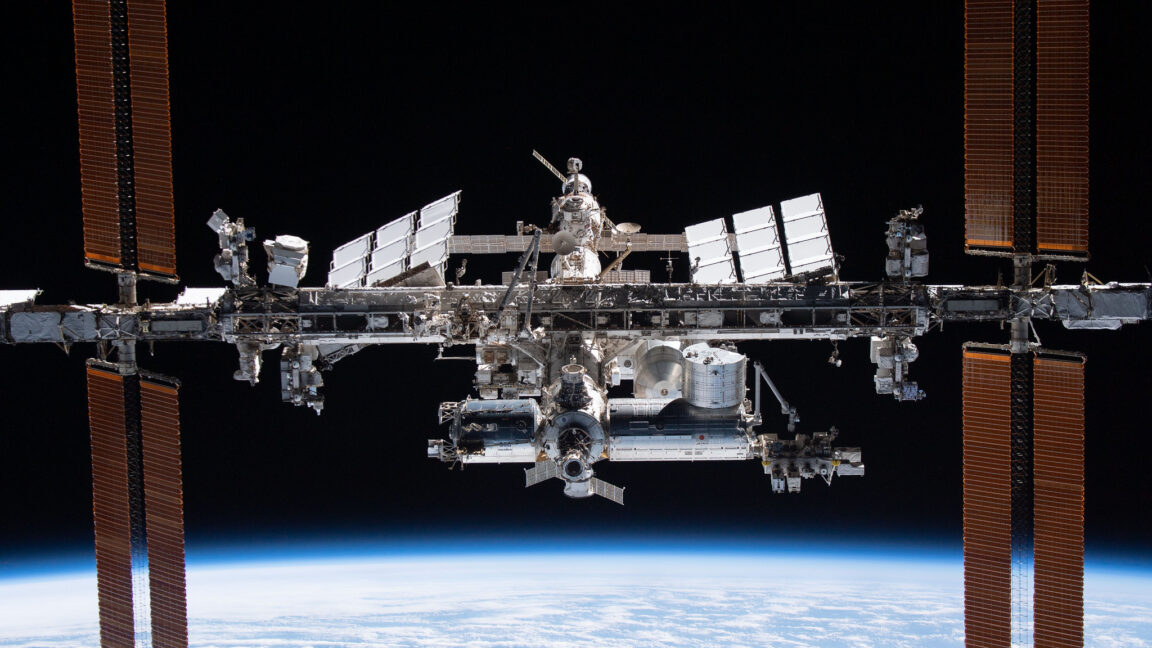
NASA has recently published a draft Request for Proposals (RFP) seeking input from private companies interested in developing space stations in low-Earth orbit. This document outlines the agency's expectations and requirements for these future stations, marking a significant step as the International Space Station (ISS) approaches its planned retirement in 2030.
Why It Matters
The urgency behind this initiative is palpable. With the ISS potentially extending its mission only by two years, there’s a pressing need to ensure continuity in human presence in space. NASA and Congress are both keen to avoid any gaps in operations, making the successful development of private space stations crucial for the future of space exploration and research. The implications of this shift could lead to new commercial opportunities and advancements in space technology.
Context
Nearly five years ago, NASA took initial steps to involve the private sector by awarding funding to three companies to explore space station concepts. Additionally, Axiom Space received $140 million for its plans. These investments were meant to pave the way for a more significant phase that would provide even more funding to selected companies for the actual construction and launch of space stations. However, delays in Congress regarding funding have stalled progress in moving to this second phase.
What It Means
The draft RFP signifies a pivotal moment for NASA and the commercial space industry. It not only highlights the agency's commitment to transitioning from the ISS to privately operated stations but also sets the stage for a competitive landscape where companies must meet specific expectations and timelines. As the deadline for the ISS looms, companies will need to accelerate their development efforts, ensuring that the future of human spaceflight remains uninterrupted and vibrant.