What Happened
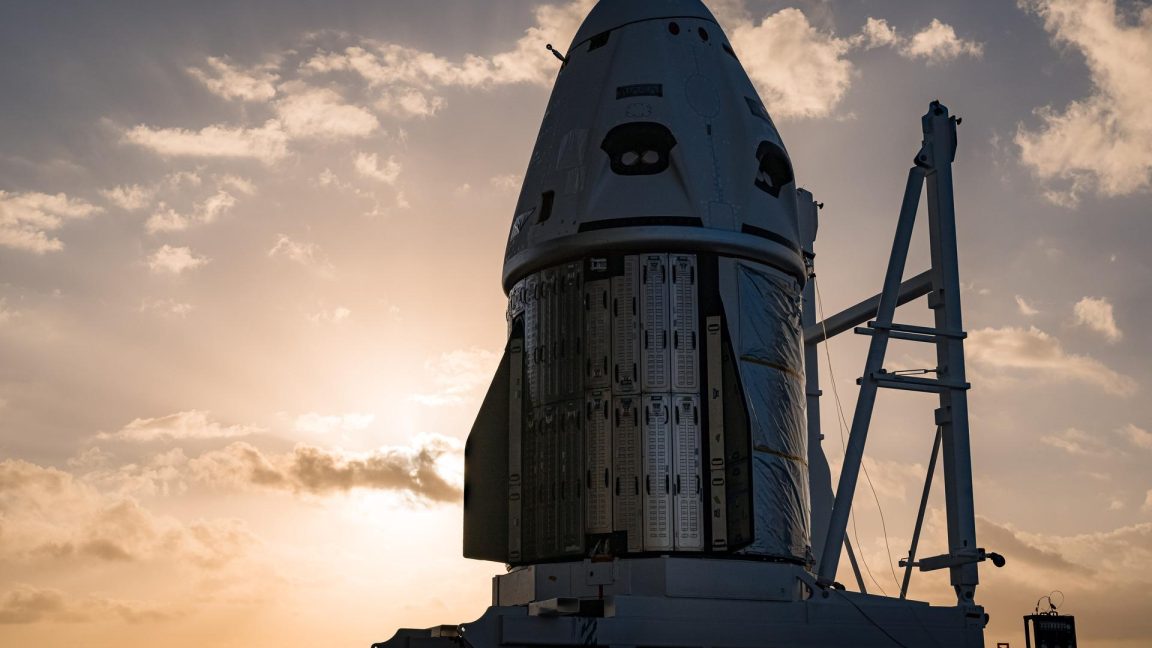
NASA is currently facing significant challenges regarding the availability of astronaut transport to the International Space Station (ISS). After a successful Crew Dragon mission by SpaceX in 2020, the agency has depended heavily on this spacecraft. However, Boeing has yet to conduct a successful crewed test flight of its Starliner, which is now delayed until at least 2028.
Why It Matters
The reliance on SpaceX alone for crewed missions poses risks, especially as the ISS is set to retire in the early 2030s. If Boeing cannot deliver a viable alternative, NASA may be left without sufficient transport options, potentially hindering future missions and projects related to human spaceflight. This could stall advancements in space exploration and the development of private space stations.
Context
NASA initiated its Commercial Crew program in 2014 to foster competition between private space companies like SpaceX and Boeing. The successful launch of Crew Dragon marked a critical moment in U.S. spaceflight. However, Boeing's repeated delays and failures, including the recent declaration of a Type A mishap regarding its test flight, have raised alarms about its ability to meet NASA's needs in the coming years.
What It Means
With the current trajectory of both companies, NASA's strategy might need a revision. The agency is already looking into partnerships with other private firms to ensure astronaut transport in the future. As new private space stations are expected to launch as early as 2030, the need for reliable transportation will become even more pressing. This situation highlights the importance of having multiple players in the space transport sector to avoid a potential crisis in crewed missions.