What happened
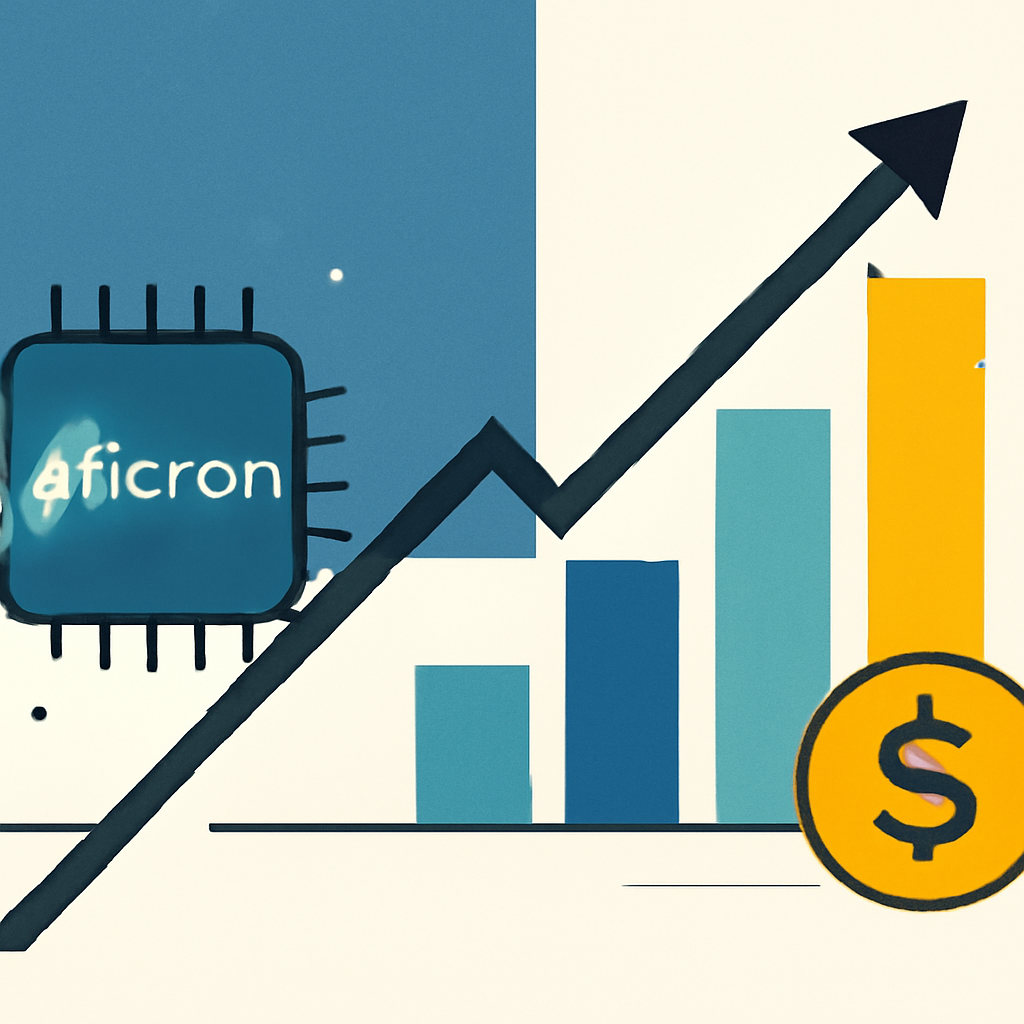
Micron Technology has reported a staggering increase in revenue for the third fiscal quarter, with numbers more than quadrupling compared to a year ago. The company attributed this growth largely to an ongoing surge in demand linked to the artificial intelligence (AI) sector. Following the announcement, Micron's stock jumped by approximately 9% in after-hours trading.
Why this matters
The significant rise in Micron's revenue, which climbed from $9.3 billion to an expected $50 billion for the current quarter, suggests that the memory market is under intense pressure due to high demand. Analysts had anticipated a revenue forecast of around $43.58 billion, making Micron's performance even more impressive. The escalating prices for memory components are not only benefiting Micron; they indicate a broader trend that could reshape the tech landscape as AI continues to expand its footprint in various industries.
Context
This growth comes on the heels of a memory crunch that has seen prices soar over the past couple of years. As AI chips require more memory, the limited production capabilities of memory manufacturers have led to increased prices across the board. Micron, which supplies essential memory technology used in devices from smartphones to data center servers, is positioned as a key player in this evolving market. The company’s stock has skyrocketed by roughly 700% over the last year, pushing its market capitalization beyond $1 trillion.
What this means
The remarkable performance of Micron signals a shift in the tech industry, where memory manufacturers are now crucial to the success of major companies like Nvidia and Google. With Micron's gross margin climbing to 81.2%—up from 69% in the previous quarter and 27% a year earlier—investors are likely to see continued interest in the stock. This trend could lead to further investment in memory technologies, particularly as demand for AI and related technologies grows. As the market adjusts to these new dynamics, Micron's success could inspire other tech firms to innovate further in the memory space, potentially altering competitive landscapes across the industry.