Sуть
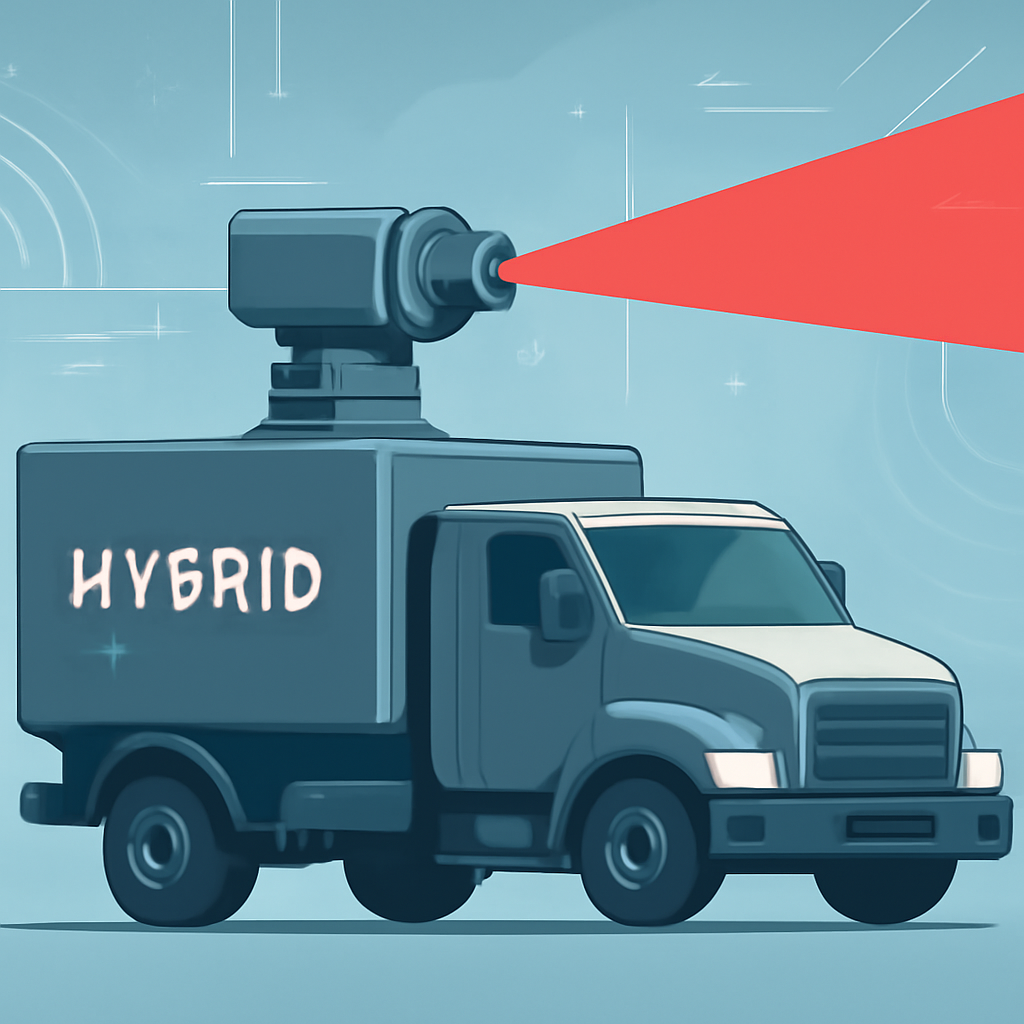
The U.S. military is developing hybrid trucks to support high-energy laser weapons for counter-drone missions, shifting focus from traditional platforms to light tactical vehicles like the Infantry Squad Vehicle (ISV) and Joint Light Tactical Vehicle (JLTV).
Как это работало
The military has tested the 20-kilowatt LOCUST Laser Weapon System on light tactical vehicles, establishing their capability to deploy directed energy weapons. The key issue is power generation, as conventional generators can't handle the high surges needed for laser operations. The solution lies in a hybrid vehicle design that combines a generator for average loads with a high-voltage battery for immediate bursts of power. This makes vehicles quieter, smaller, and versatile on the battlefield.
Результат
The Army plans to procure 34 ISV-H vehicles, each costing approximately $463,000, with a total target of 606 units. The ISV-H aims to produce a minimum of 60 kilowatts of continuous power, crucial for future directed energy weapons. Meanwhile, Oshkosh Defense is pushing a hybrid-electric version of the JLTV, capable of generating up to 115 kilowatts of power, as a solution for the Marine Corps.
Why It Matters для тебя
Understanding the shift towards hybrid vehicles in military applications can inform businesses in the tech and defense sectors about emerging trends in energy efficiency and tactical design. Consider how hybrid systems can be applied in your own operations to enhance performance and sustainability.