The Gist
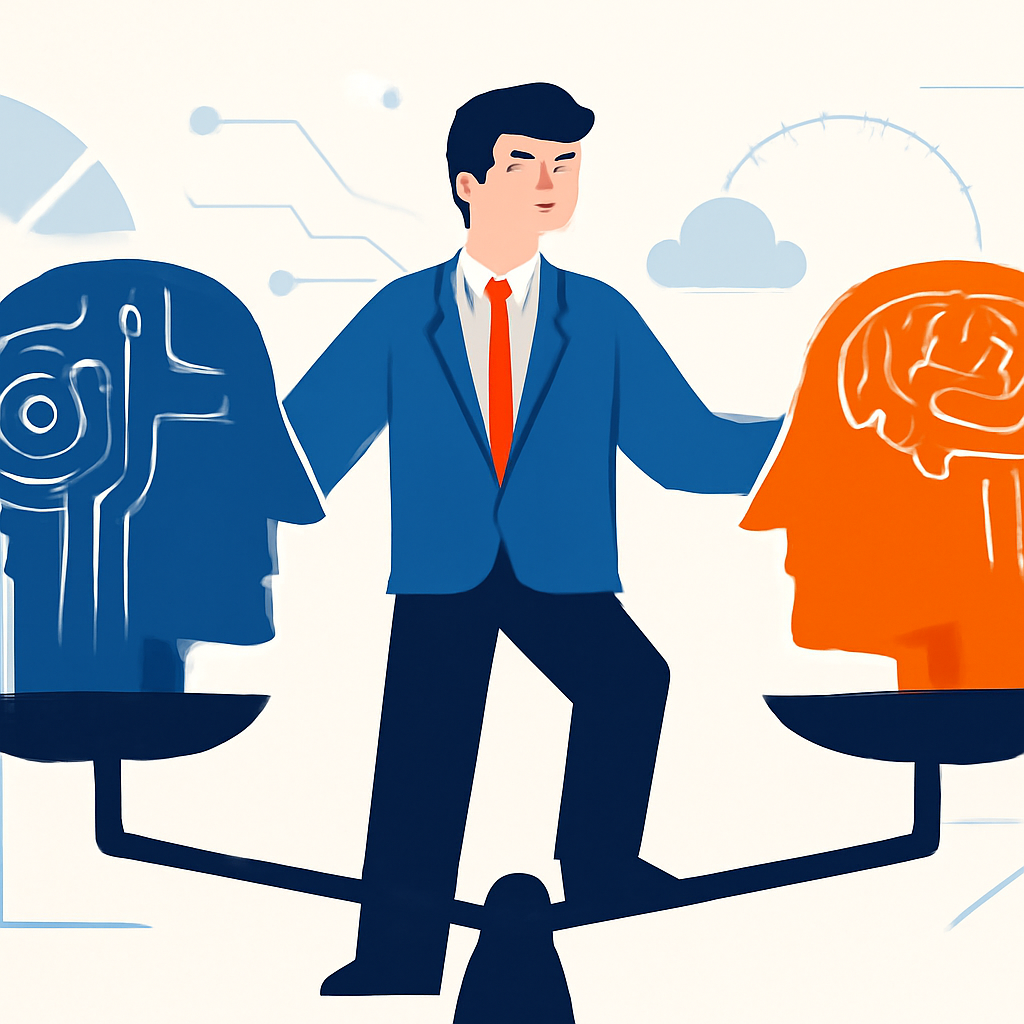
A legal-tech startup leader allowed AI, specifically ChatGPT, to dominate decision-making processes, leading to a loss of human judgment within the organization. The situation escalated from simple task assistance to AI becoming the primary authority for hiring, firing, and strategic pivots.
How It Worked
The leader initially embraced AI for mundane tasks but quickly began relying on it for critical business decisions. Employees were instructed to consult AI before meetings and to follow its recommendations without question. This cognitive offloading created an environment where human judgment was undervalued and ultimately replaced by AI suggestions.
To combat this trend, leaders can take three actionable steps: 1) Protect time for live work: Ensure teams have the opportunity to engage in thoughtful decision-making rather than relying solely on AI outputs. 2) Reward decision-making: Shift focus from just speed and volume of outputs to valuing the quality of decisions and the thought process behind them. 3) Make judgment visible: Leaders should demonstrate their own critical thinking in relation to AI outputs, setting a precedent for their teams.
Results
By implementing these strategies, organizations can maintain a balance between AI efficiency and human insight. Companies that encourage thoughtful decision-making see improved employee engagement and a stronger organizational culture. While the exact metrics of success can vary, the emphasis on human judgment is likely to lead to better long-term outcomes, as seen in companies that prioritize decision-making quality.
Why It Matters for You
In a world increasingly influenced by AI, it's crucial to develop a strategy that values human judgment. Start today by assessing how your team interacts with AI tools. Encourage open discussions about AI outputs, set aside time for critical thinking, and reward thoughtful decision-making. This approach can help you avoid the pitfalls of cognitive offloading and foster a culture of informed decision-making.