What Happened
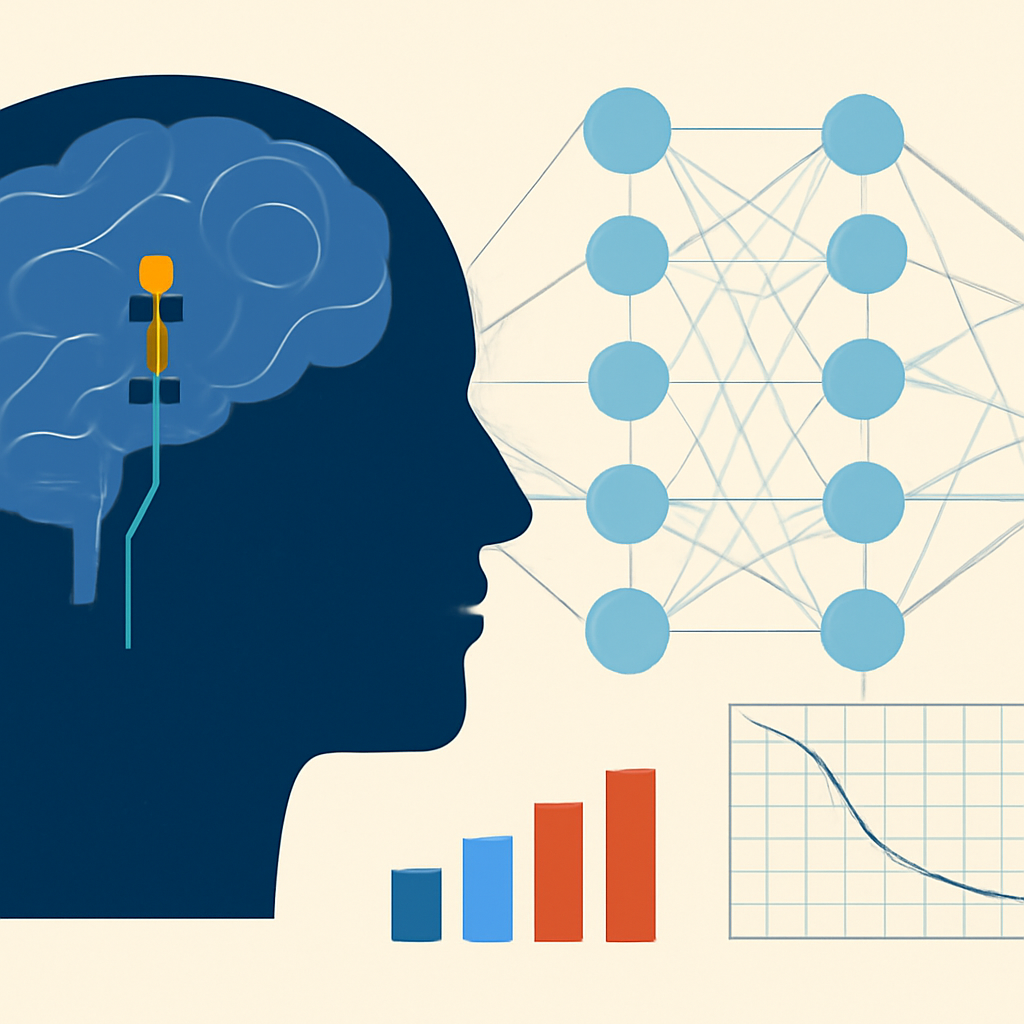
A researcher has recently explored the inner workings of a single convolutional neuron in the InceptionV1 model, focusing on how it processes information. This study employs a novel method of analyzing the neuron by utilizing the Hadamard product of its receptive field and weights, revealing distinct patterns that the neuron detects.
Why It Matters
Understanding how individual neurons operate can significantly advance the field of mechanistic interpretability in AI. By clustering the neuron’s detection patterns, the research highlights not only the expected categories like cars, cats, and dogs, but also unexpected ones such as letters and human faces. This could pave the way for better model interpretability, enhancing user trust and guiding future AI developments.
Context
The research emerges from the growing interest in mechanistic interpretability, which seeks to clarify how AI models, particularly deep learning systems, function internally. Previous studies have often focused on broader structures, but this work zeroes in on a single neuron, providing a deeper understanding of its role within the larger neural network framework.
What It Means
The findings suggest that neurons can detect a wider range of concepts than previously understood, including low-value activations like letters. Notably, the study observes that these low-value clusters exhibit coordinated activity among dependent neurons, indicating a deliberate effort by gradient descent to manage outputs across various concepts. This insight could help refine AI training processes and improve overall model performance while also serving as a springboard for future explorations into language processing and other neural functions.