What happened
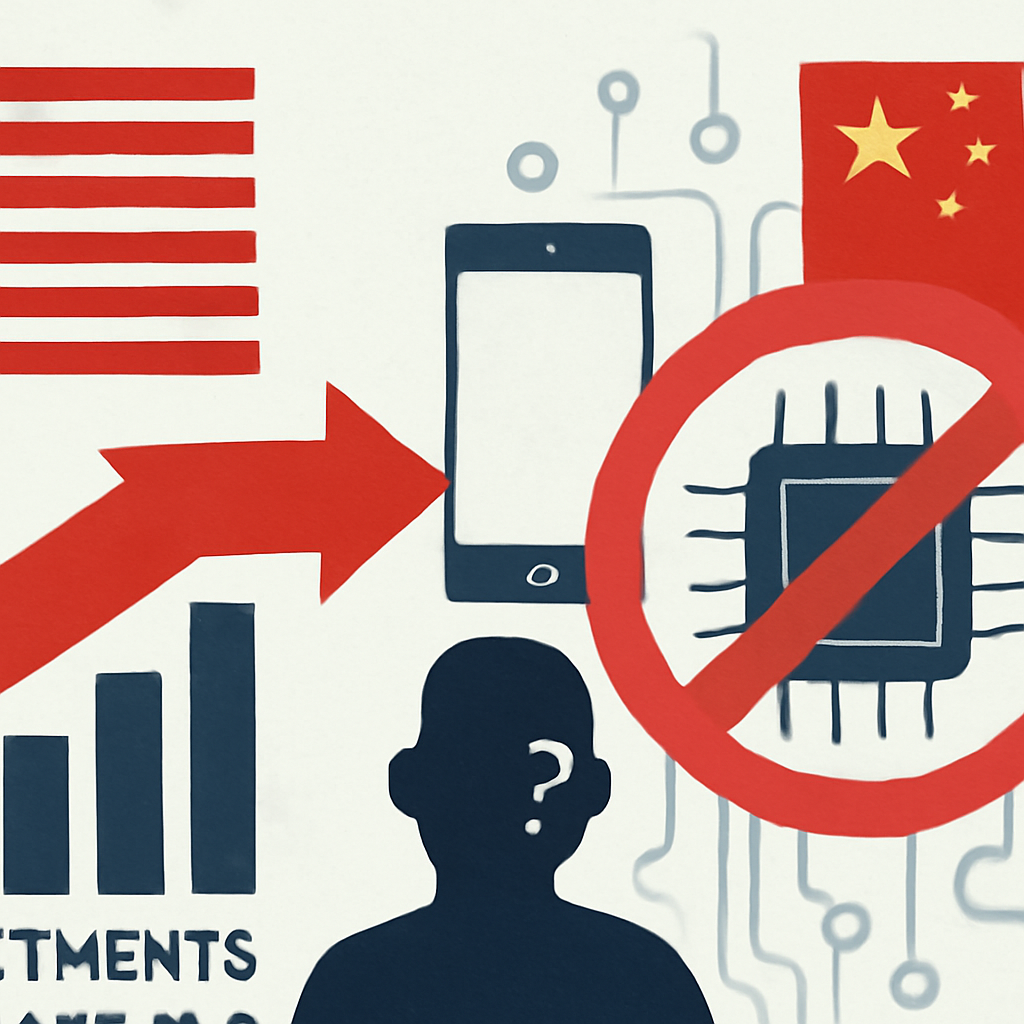
On Tuesday, Hong Kong's Hang Seng index dropped by 1.82%, while Shanghai's index fell by 1.37%. This decline comes amid rising expectations that the U.S. Federal Reserve will continue to increase interest rates, now having a nearly 70% chance of doing so. The strengthening dollar, which recently crossed the 101 mark on the dollar index, is causing additional pressure on Hong Kong's economy, particularly through its currency peg to the U.S. dollar.
Why this matters
The implications of these market movements are significant. Hong Kong's stock market, especially its tech sector, is facing headwinds from imported hawkishness due to the Fed's stance. Companies like Tencent and Alibaba, which are heavily weighted in the Hang Seng, are directly affected. In contrast, mainland Chinese companies, such as CATL and Cambricon, are benefiting from the People's Bank of China's (PBOC) easing policies, which stand in stark contrast to the tightening measures from the Fed.
Context
Historically, the divergence between interest rates in the U.S. and China has created a complex environment for investors. While the PBOC maintains record-low lending rates, enabling local companies to thrive, the U.S. Fed's tightening impacts markets globally. The currency peg between Hong Kong and the U.S. dollar means that local monetary conditions are heavily influenced by U.S. policy, leading to a challenging situation for Hong Kong-based companies.
What this means
Investors need to be aware that the current market environment is influenced by a structural divergence in interest rates. As the Fed signals more rate hikes, Hong Kong's tech stocks may continue to struggle under the weight of this policy shift. This situation highlights the need for careful selection of investments, especially for those looking to tap into China's tech sector. Options like CNQQ, which has a heavier weighting in A shares, might be more appealing, but liquidity concerns remain a significant factor for investors. The rate divergence is likely to persist, complicating investment strategies focused on the Chinese market.