The Gist
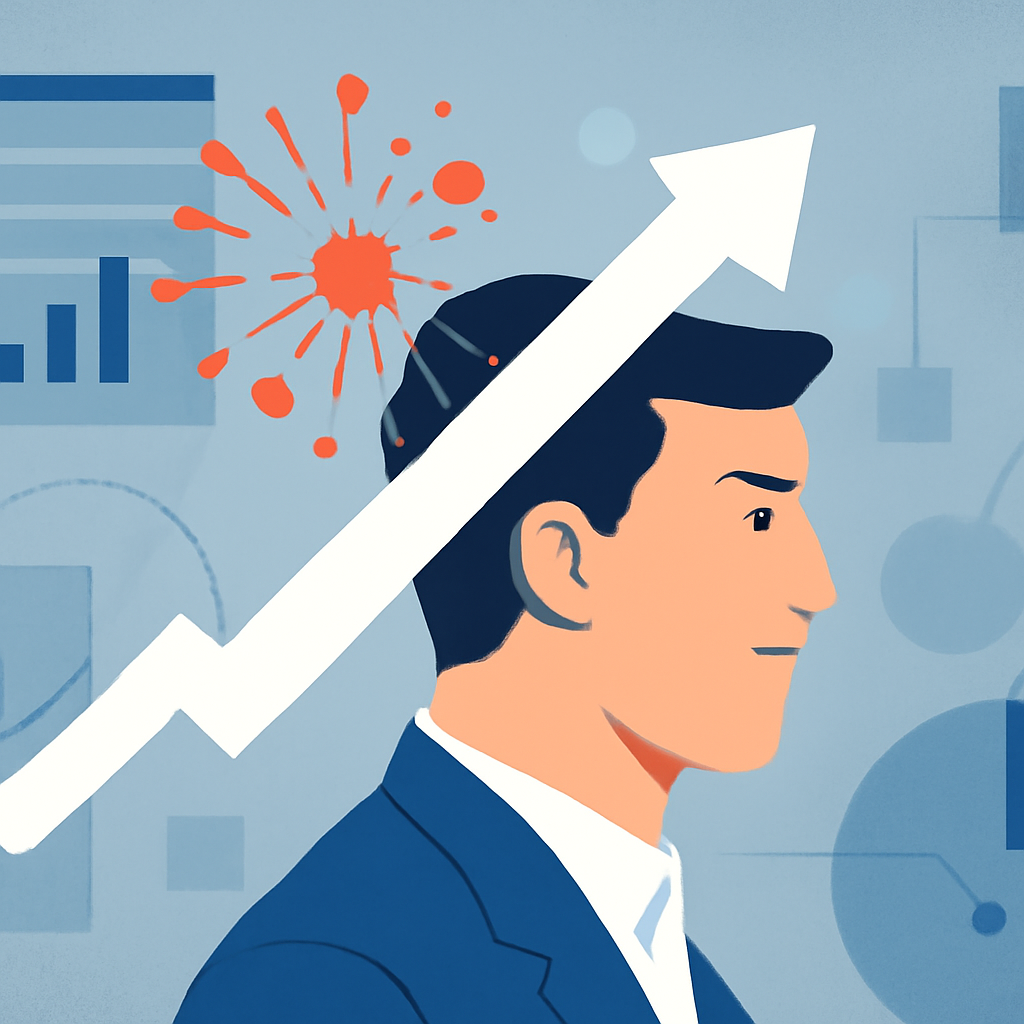
The concept of 'high agency' is popular in Silicon Valley, epitomized by figures like Elon Musk, suggesting that feeling empowered to overcome obstacles leads to success. However, this mindset can just as easily result in poor decision-making and disastrous consequences, as seen in the downfalls of figures like Elizabeth Holmes and Sam Bankman-Fried.
How It Worked
High agency encourages individuals to push back against naysayers, leading to innovation and breakthroughs. Yet, it can also foster hubris. For instance, Musk's relentless pursuit of his goals has yielded remarkable achievements but has also resulted in significant missteps, like the controversial DOGE cuts. The rise of high agency can easily lead to overconfidence, where individuals believe their decisions are infallible, ignoring the limits of human judgment and the complexity of real-world systems.
Results
The impact of high agency on decision-making is evident in various sectors. Since the 1970s, the embrace of metrics and objective measures has not translated into economic success; instead, productivity has stagnated while inequality has soared. The cautionary tales of high-profile failures show that what seems like high agency often masks a lack of accountability and a propensity for disastrous outcomes.
Why It Matters for You
Recognizing the limits of high agency can help you make better decisions. Embrace a mindset that values humility, critical thinking, and the acknowledgment of uncertainty. Instead of blindly pursuing ambitious goals, consider the potential consequences of your actions. Balance confidence with caution to avoid the pitfalls seen in many high-agency narratives.