Essence
A recent study by Boston Consulting Group highlighted a worrying trend: critical thinking skills among leaders are eroding as AI becomes more integrated into daily work. The traditional apprenticeship model, where juniors learned by doing, is being disrupted as AI automates foundational tasks, leaving a gap in skill development.
How It Worked
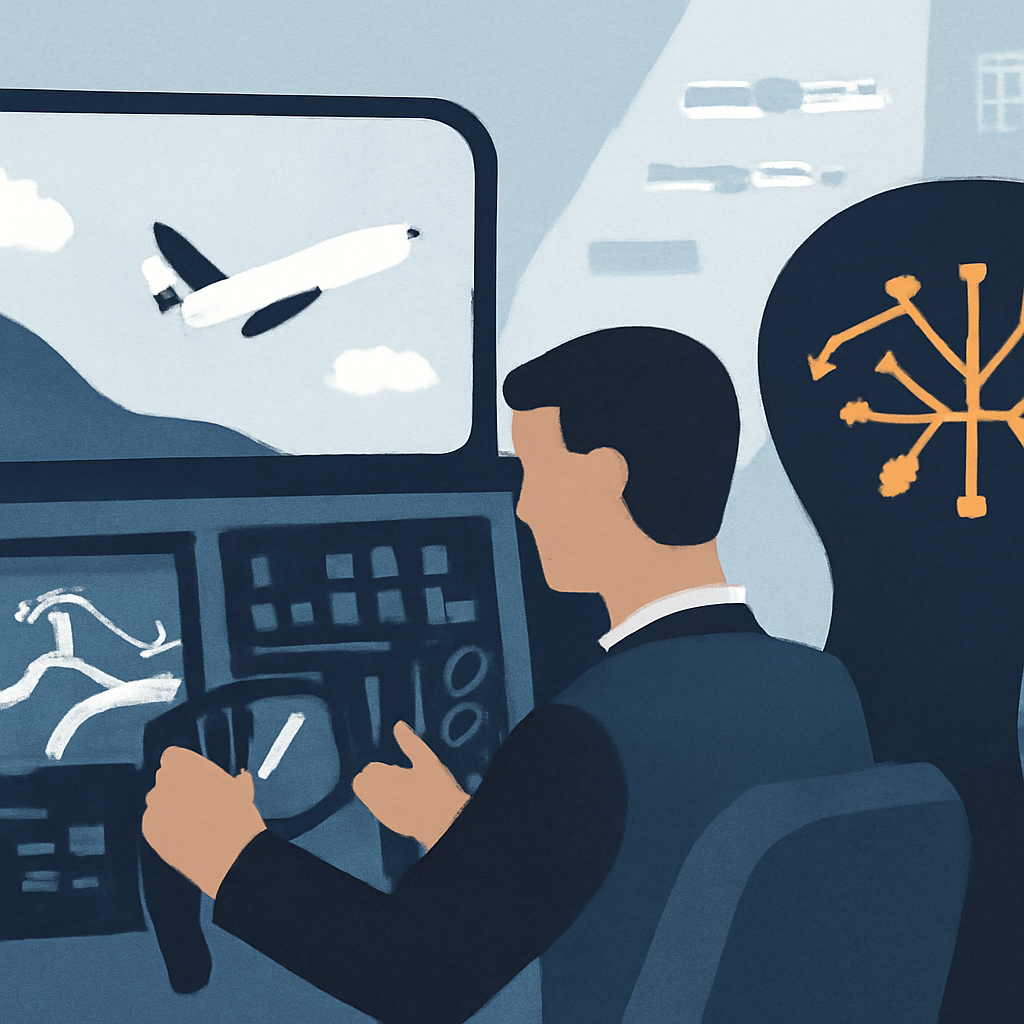
To combat the decline in skills, we can learn from aviation, which faced similar challenges with cockpit automation. Instead of banning automation, the industry introduced flight simulators for ongoing training. These simulators allow novice pilots to experience complex scenarios without real-world consequences, fostering both challenge and connection with instructors. The key is to decouple formative repetitions from production environments, allowing juniors to tackle difficult problems in a controlled setting, where failure is part of the learning process.
Result
By implementing a simulator-like approach, organizations can create environments where junior employees can practice real skills without the pressures of live production. This method not only enhances skill acquisition but also strengthens the mentor-mentee relationship, reversing the trend of de-skilling. Companies that begin to adopt these practices can expect to see significant improvements in critical thinking and problem-solving abilities among their staff.
Why This Matters for You
As AI continues to reshape the workplace, it's essential to find solutions that ensure skill development. Consider creating simulated environments in your organization where employees can safely practice and learn. Identify those shadow learners who are already bending the rules to gain skills, and leverage their insights to design effective training programs. Adapting these proven concepts from aviation could be the key to developing a more skilled workforce in the age of AI.