What Happened
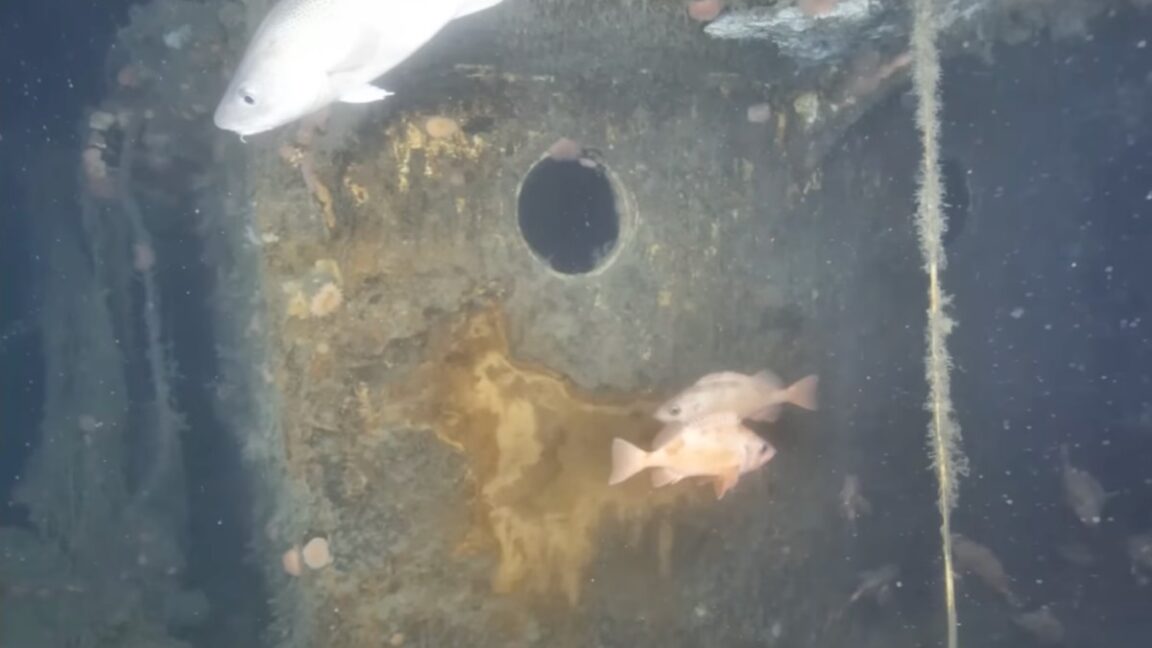
The Royal Canadian Geographic Society has unveiled the first images of the Quest shipwreck, a vessel linked to the famed polar explorer Sir Ernest Shackleton. This ship sank in 1962 during a mission that Shackleton had hoped would take him to the Arctic. The publication of these images marks a significant moment more than six decades after the ship met its fate.
Why It Matters
The release of these images not only adds to the rich narrative of Shackleton's explorations but also serves as a poignant reminder of humanity's quest to explore and understand the polar regions. The Quest was initially intended for Arctic expeditions but ultimately found a place in Antarctic waters, reflecting the evolving nature of exploration during Shackleton's era. The images could inspire renewed interest in polar history and marine archaeology, potentially leading to further explorations and discoveries.
Context
Shackleton is best known for his ill-fated journey aboard the Endurance, which became trapped in ice in 1914. This incredible tale of survival has captivated audiences for generations. After the Endurance saga, Shackleton faced numerous challenges, including financial difficulties and the onset of World War I, which made his return to exploration all the more complex. His final vessel, the Quest, was retrofitted with advanced technology of the time, including a wireless set and deep-sea instruments, showcasing the innovative spirit of early 20th-century exploration.
What It Means
The unveiling of the Quest shipwreck images not only enhances the historical narrative surrounding Shackleton's expeditions but also underscores the importance of preserving and studying maritime history. The Quest’s journey reflects the challenges faced by explorers and their resilience in the face of adversity. As interest grows around Shackleton's voyages, the images could lead to increased funding and support for marine archaeology projects, ensuring that such significant pieces of history are not forgotten.