What Happened
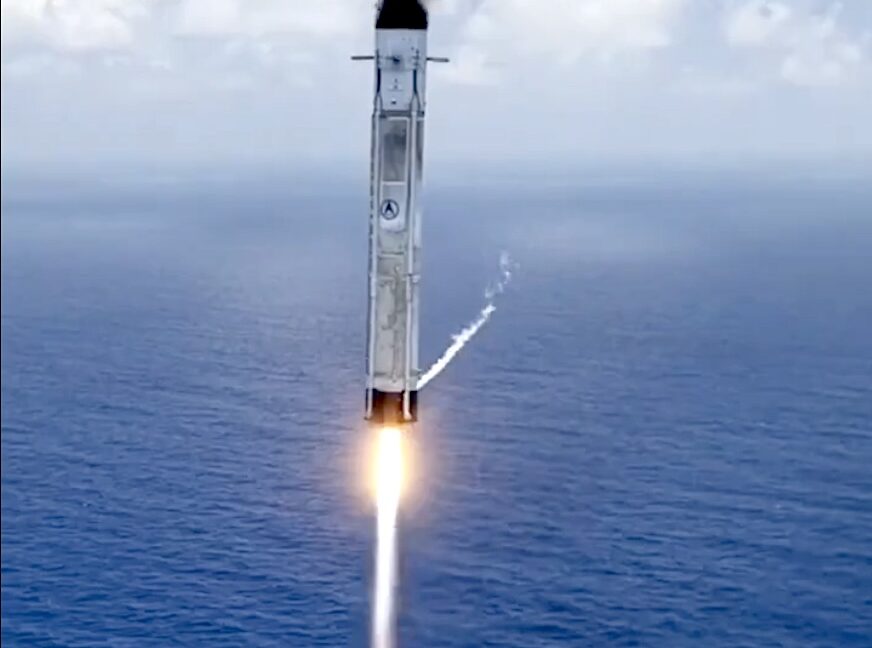
China has made a remarkable achievement in space technology by recovering its first reusable orbital-class rocket booster. The Long March 10B rocket lifted off from the Wenchang Commercial Space Launch Site in Hainan province and successfully landed back on an offshore vessel in the South China Sea. This operation marks a significant step for China's space program, showcasing its ability to perform complex recovery maneuvers similar to those employed by other spacefaring nations.
Why It Matters
The successful recovery of a reusable rocket has far-reaching implications for China's ambitions in space exploration and commercial satellite deployment. Reusable rockets are a crucial technological advancement that can significantly reduce the cost of launching payloads into orbit. By demonstrating this capability, China positions itself as a competitive player in the global space market, potentially attracting partnerships and investment in its space endeavors.
Context
Reusable rocket technology has been a focal point for many space agencies and private companies around the world, most notably SpaceX. The ability to land and reuse rocket components can drastically lower the expenses associated with space launches. China's achievement comes amid a broader context where countries are racing to enhance their space capabilities, aiming for both scientific advancement and economic benefits.
What It Means
This milestone is not just a technical triumph; it signals China's intent to expand its presence in space. The successful recovery of the Long March 10B suggests that future missions could become more frequent and cost-effective, ultimately leading to a more robust space industry. As reusable technology becomes standard, we might see a surge in satellite launches and other space missions, reshaping the dynamics of international space exploration.