What Happened
The recent heat wave across Europe has sparked a surge in demand for air conditioning units, with reports of frantic shoppers in France rushing to buy portable ACs and fans. With temperatures exceeding 40° Celsius, it's clear that many are reconsidering their stance on cooling technology. This trend is expected to continue as climate change leads to hotter summers.
Why It Matters
The International Energy Agency (IEA) predicts that by 2050, two-thirds of households in Europe might own an air conditioner. This shift is significant not only for consumer behavior but also for energy consumption and environmental policies. As political parties in Europe take sides on the issue, the debate over air conditioning is becoming entangled with broader issues of energy efficiency and social equity. Conservatives advocate for easier access to AC, while some left-wing politicians warn that it may primarily benefit wealthier households.
Context
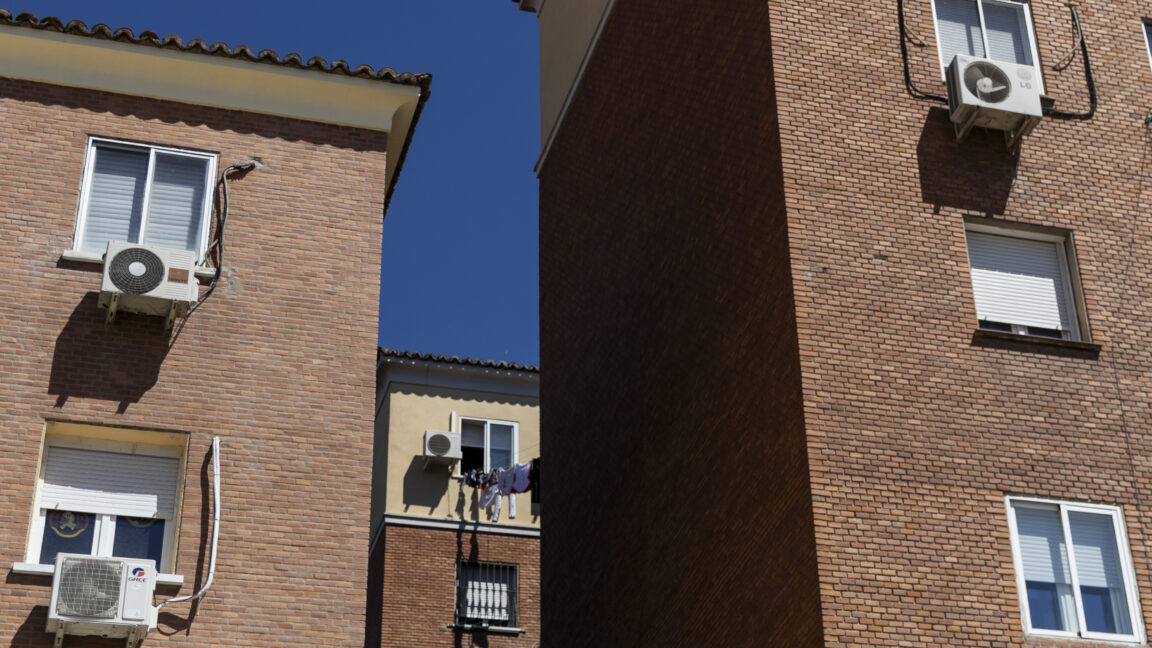
Currently, only about 20% of Europeans have air conditioning, which is a stark contrast to the nearly 90% prevalence in the United States. This discrepancy highlights differing attitudes towards energy consumption and the economic feasibility of installing cooling systems. Traditionally, Europeans have relied less on AC due to higher electricity costs and a cultural preference for natural ventilation.
What It Means
The increasing temperatures in Europe signal a potential shift in lifestyle. Air conditioning is no longer merely a luxury; it is becoming essential for productivity and health, especially in schools and workplaces. The benefits of air conditioning extend beyond comfort, as research indicates it can significantly reduce heat-related mortality, particularly among vulnerable populations. As the demand rises, Europe may need to balance the growth of air conditioning with sustainable energy practices to avoid replicating the high-energy usage patterns seen in the US and Asia.