What Happened
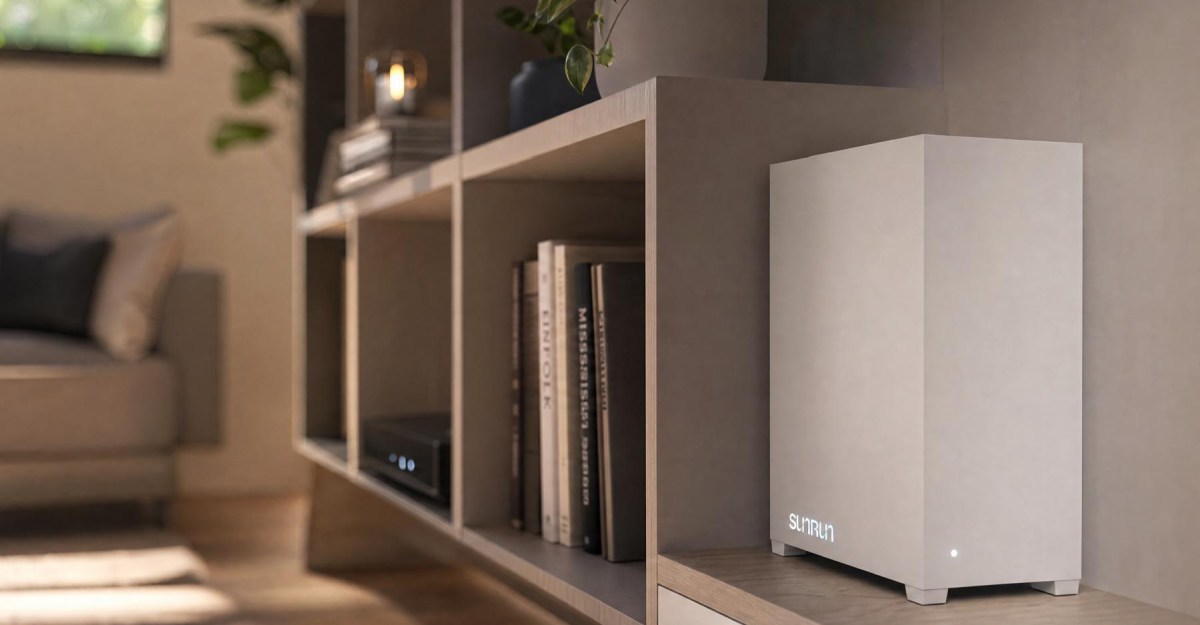
Sunrun, a solar and home energy storage company, is launching an innovative pilot program that invites customers to host AI computing units in their homes. Rather than building traditional data centers, Sunrun is looking to leverage existing residential spaces, particularly those already equipped with solar and battery storage systems. Homeowners who participate in this program will receive compensation for hosting these computing nodes.
Why It Matters
This approach marks a significant shift in how AI companies source the computing power needed for their operations. By utilizing residential spaces, Sunrun is addressing the growing demand for AI infrastructure without the need for extensive new construction. This could potentially lead to lower costs for AI companies, which may translate into more affordable AI solutions for consumers. Additionally, homeowners could benefit financially by turning their homes into small-scale data centers.
Context
The concept of distributed computing is not new, but its application in the context of AI is groundbreaking. Traditional data centers require vast amounts of resources and space, often leading to increased energy consumption and environmental concerns. By incorporating renewable energy sources, like solar power, into this model, Sunrun is attempting to create a more sustainable solution to the AI compute power challenge.
What It Means
If successful, this pilot program could set a precedent for how AI computing resources are allocated in the future. It opens the door for more homeowners to get involved in the tech space while also promoting the use of renewable energy. The implications for the market could be significant, as it may lead to a more decentralized approach to computing power, making it accessible not just to big enterprises but also to individual users. As AI continues to evolve, innovative solutions like this could play a crucial role in shaping the industry’s future.