What Happened
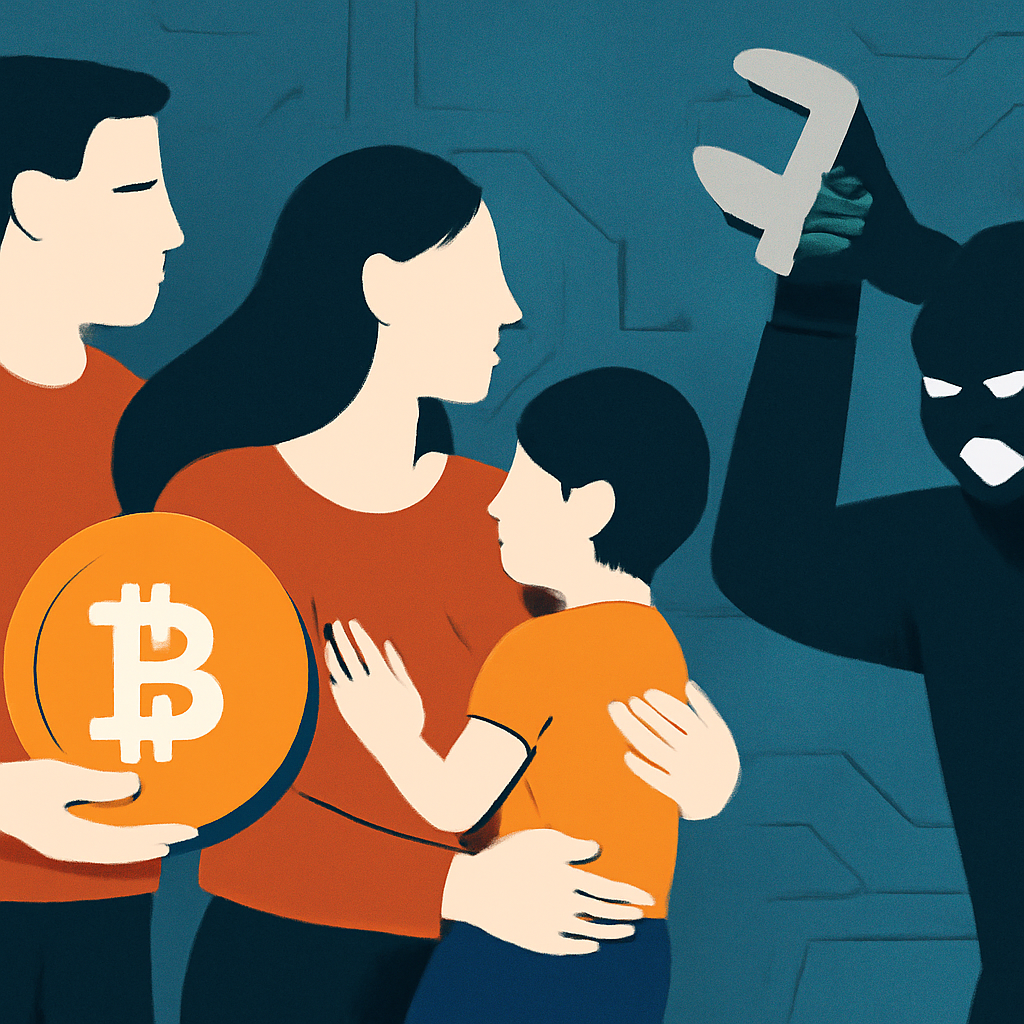
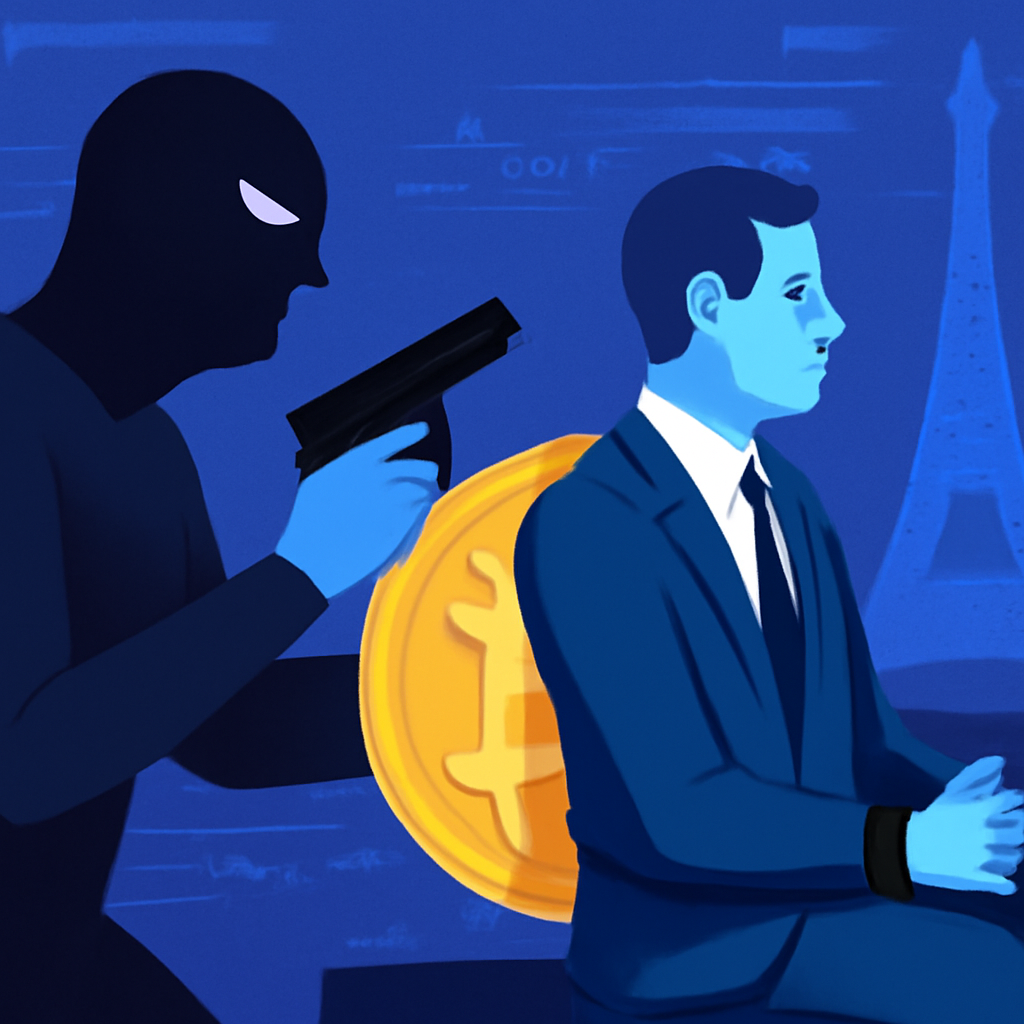
In the first half of the year, France recorded 77 incidents of kidnappings and extortions linked to the cryptocurrency sector. This marks a significant rise of 71% compared to the previous year's total of 45 cases. Notable incidents include a couple in their sixties being held at knifepoint and forced to transfer €900,000 in Bitcoin and an attempted armed break-in at the home of Binance France's head.
Why It Matters
The surge in these crimes highlights the growing risks associated with cryptocurrency ownership. The irreversible nature of Bitcoin transactions makes holders particularly vulnerable to such attacks. Once a Bitcoin transaction is completed, it cannot be reversed, which is a stark contrast to traditional banking methods. This characteristic has led attackers to view crypto holdings as high-value targets, prompting the French government to take decisive action to enhance security measures.
Context
The rise in crypto-related crimes in France is alarming, especially when considering that the country reported 19 'wrench attacks' in 2025, significantly more than the US and accounting for over a quarter of global incidents. In response to this growing threat, the French government has arrested around 200 individuals linked to these crimes over the past year and has established a hotline for victims to report incidents quickly. This allows for a rapid response, as seen in a recent case where suspects were apprehended just eight hours after an incident.
What It Means
The French government's new security plan, described as "more ambitious," focuses on three key areas: enhancing intelligence sharing to track criminal networks, collaborating with the digital asset industry, and improving international coordination with countries harboring these criminals. A recent example of this strategy in action was the arrest of a suspect in Morocco, which led to a sudden decline in kidnappings. As cryptocurrency continues to gain popularity, the government’s proactive measures aim to provide better protection for its citizens and the growing number of cryptocurrency holders, who must now consider new security strategies to safeguard their assets.