What Happened
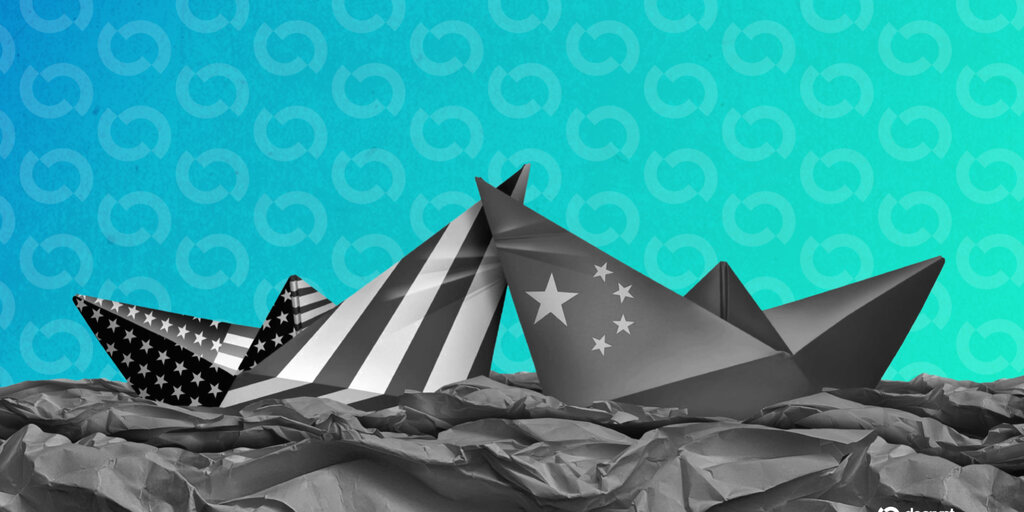
China appears to be preparing its own measures to restrict AI exports, similar to recent actions taken by the United States against the AI company Anthropic. This move indicates a growing concern over the control and distribution of advanced AI technologies, potentially signaling a significant shift in the global landscape of AI competition.
Why It Matters
The implications of China implementing such export restrictions could be profound. If China mirrors U.S. policies, it may lead to a more fragmented global AI market, affecting international collaborations and technology sharing. This could also intensify the tech rivalry between the U.S. and China, influencing companies that rely on AI technologies for innovation and development.
Context
Historically, both the U.S. and China have been at the forefront of AI development. The U.S. has previously imposed export controls to safeguard national security and maintain technological superiority. The potential for China to adopt similar tactics suggests that both nations are now competing not just in AI capabilities, but also in the governance of AI technology and its global distribution.
What It Means
If China successfully enacts these restrictions, it could reshape the global AI landscape, forcing companies to navigate a more complex regulatory environment. Collaboration between nations might diminish, leading to a scenario where AI advancements are heavily influenced by national interests. This could have lasting effects on innovation, market dynamics, and international relations in technology sectors.