What Happened
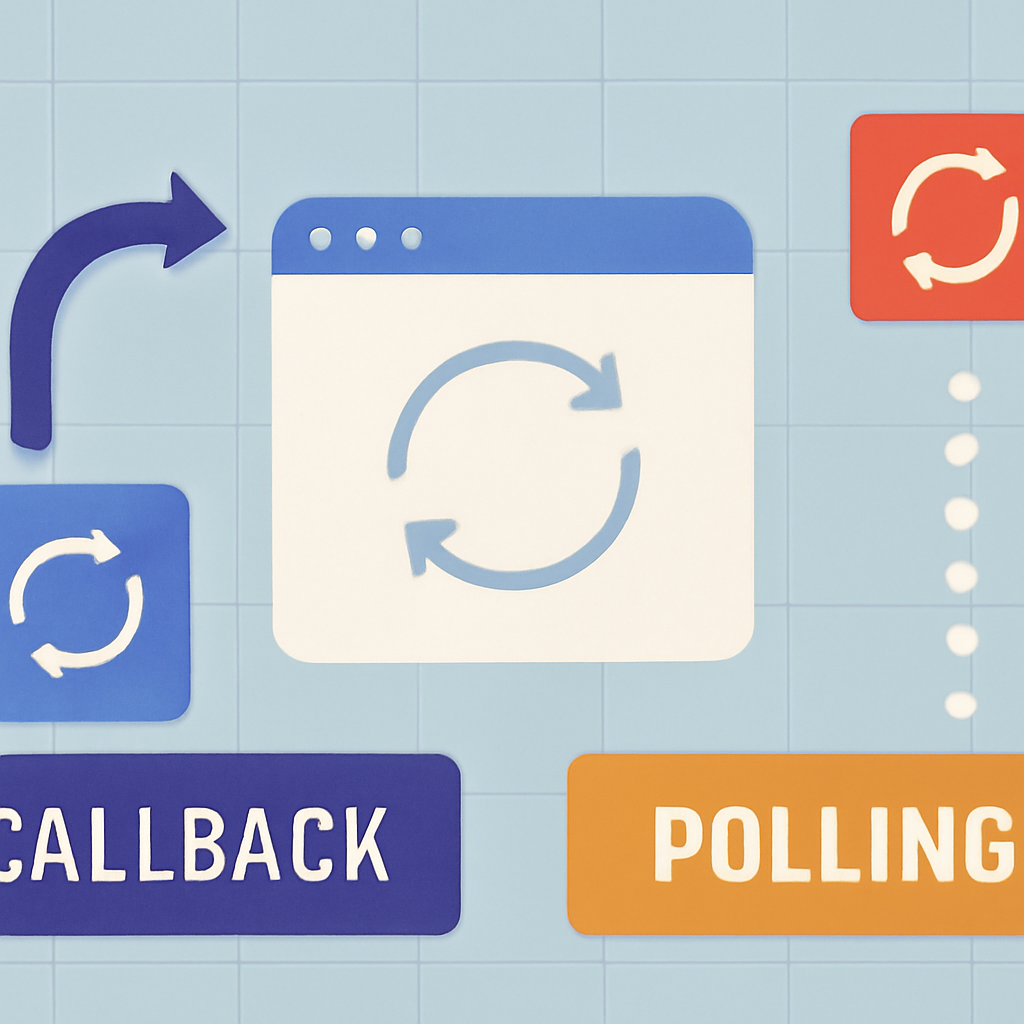
A developer faced the challenge of integrating a web app with an external workflow runner while managing task execution and user interface updates. The initial approach involved using callbacks to notify the web app when tasks were completed, but this raised concerns about reliability. As a result, the developer experimented with different methods for handling task status updates.
Why It Matters
The choice between callbacks and polling can significantly impact user experience and app performance. While callbacks can provide near-instant notifications of task completion, they can also introduce complexity and potential points of failure. On the other hand, polling can ensure that the web app maintains a consistent state, but it may lead to unnecessary resource consumption if not managed properly. Finding a balance is crucial for optimizing both user engagement and system efficiency.
Context
The developer's journey began with a system that utilized callbacks to update the user interface in real-time. However, as they recognized the potential pitfalls of relying solely on callbacks—such as session state loss upon API restarts—they transitioned to a polling-based approach. This method involved keeping an HTTP request open for the duration of the task run, which allowed for continuous updates to the UI.
What It Means
Ultimately, both approaches have their merits. The callback method can provide immediate feedback, but can lead to a disjointed experience if the backend is restarted. Conversely, polling ensures that the UI remains in sync with the task status but can complicate session management. Developers must weigh the trade-offs of each method based on their specific use case, traffic loads, and user experience requirements. Many are left wondering if a hybrid approach—leveraging both callbacks and polling—might offer the best of both worlds without compromising on performance or reliability.