The Gist
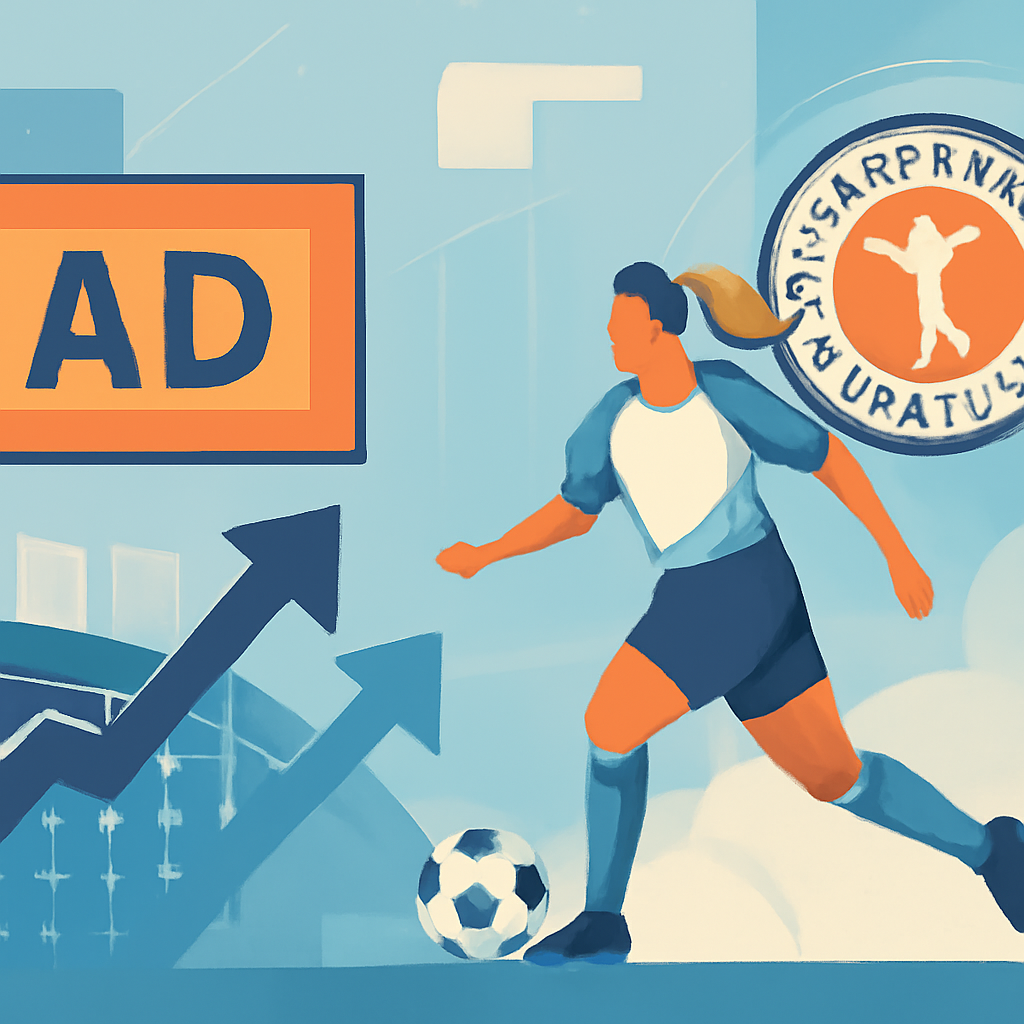
As FIFA Men's World Cup sponsorships soar, the focus is shifting towards the 2027 Women's World Cup in Brazil. Brands that treat the tournament as a platform, rather than a one-time campaign, stand to build lasting relationships with fans.
How It Worked
Instead of viewing the Men's and Women's World Cups as separate events, savvy marketers are creating continuity in their strategies. They recognize that women's soccer has cultivated a dedicated, values-driven fanbase that rewards consistent investment. Data shows that over 25% of women’s soccer fans have made purchases because of a brand's sponsorship, indicating a strong return on investment. By engaging in athlete partnerships, community initiatives, or sponsoring women’s clubs and leagues, brands can extend their reach beyond just high-profile events.
Results
Brands that invested early in women's soccer saw a 58% increase in purchase intent among fans compared to those who did not. As the 2027 Women's World Cup approaches, the event is expected to be the most commercially significant in its history, especially given favorable viewing times for U.S. audiences.
Why It Matters for You
Marketers should view the period between the 2026 Men's World Cup and the 2027 Women's World Cup as an extended opportunity to build brand affinity. By consistently engaging with women's soccer, brands can ensure they are part of the ongoing cultural conversation and avoid being sidelined post-tournament. Start investing now to capitalize on this transformative era in women's sports.