What Happened
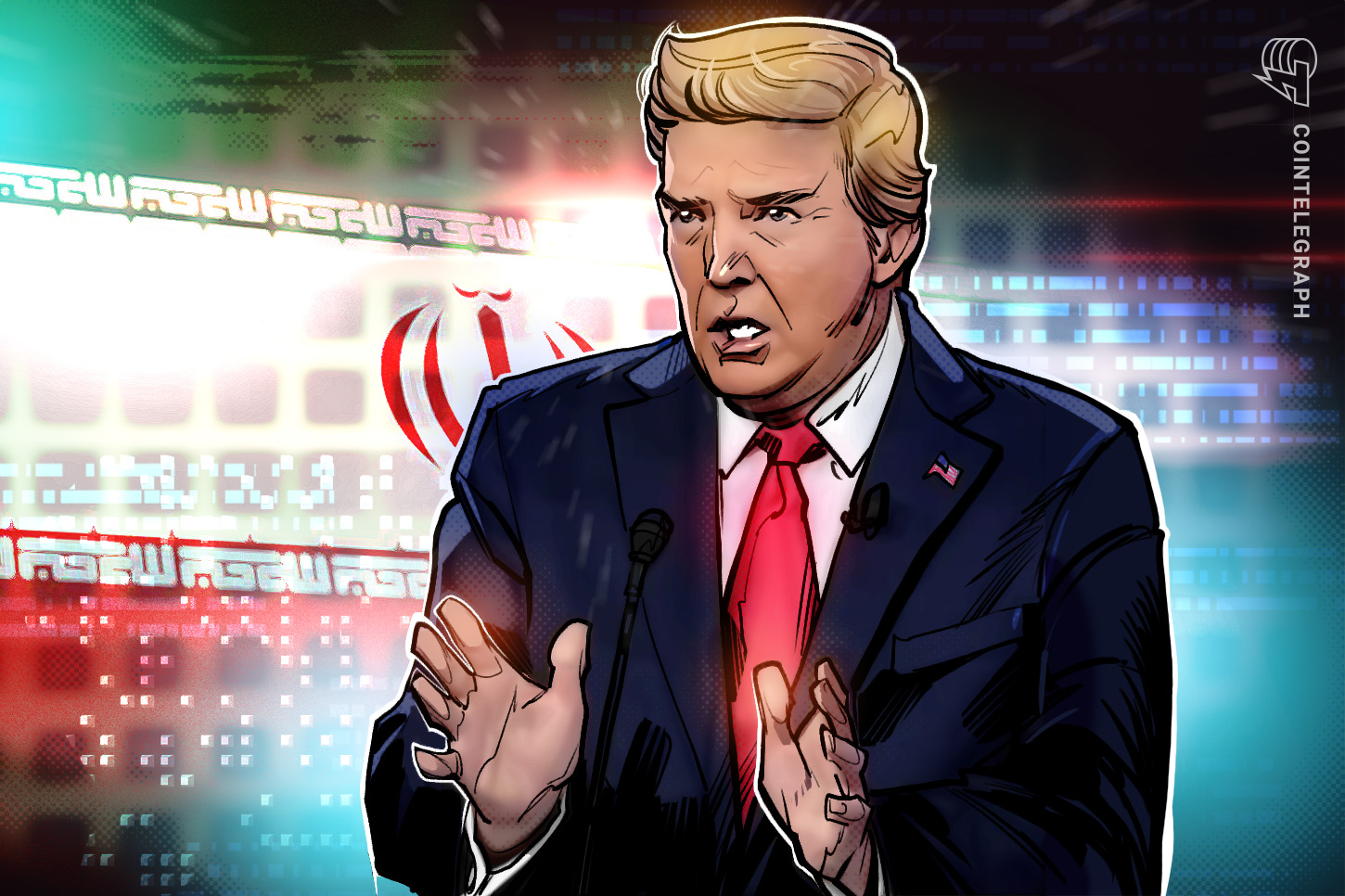
Bitcoin is currently facing significant pressure as it attempts to hold above the $62,000 mark. This struggle comes in the wake of heightened geopolitical tensions, particularly involving comments from former President Donald Trump regarding the Strait of Hormuz. The situation has led to a broader decline in risk assets, including stocks, causing traders to reassess their positions in cryptocurrencies.
Why It Matters
The implications of this sell-off extend beyond Bitcoin. A drop in risk assets typically signals a lack of confidence among investors, which can lead to increased volatility in the cryptocurrency market. If Bitcoin fails to maintain the $62,000 threshold, it could trigger further selling and potentially a more significant downturn. This is particularly concerning for those who view Bitcoin as a hedge against traditional market instability.
Context
Historically, Bitcoin has reacted to global events and market sentiment. The Strait of Hormuz is a critical maritime route, and any threat to its security can impact oil prices and, by extension, global markets. Trump's remarks have intensified fears around potential military actions, prompting investors to pull back from riskier assets. This environment creates challenges for Bitcoin, which is often correlated with the performance of broader financial markets.
What It Means
Bitcoin's struggle at the $62,000 level indicates a crucial point for both the cryptocurrency and the overall market. If Bitcoin cannot stabilize and rebound, it might signal a shift in investor sentiment towards safer assets. Additionally, ongoing geopolitical tensions could lead to increased volatility, making it essential for traders to stay informed and cautious in their strategies. The next few days will be pivotal in determining whether Bitcoin can reclaim its position or if it will succumb to the broader market pressures.