What Happened
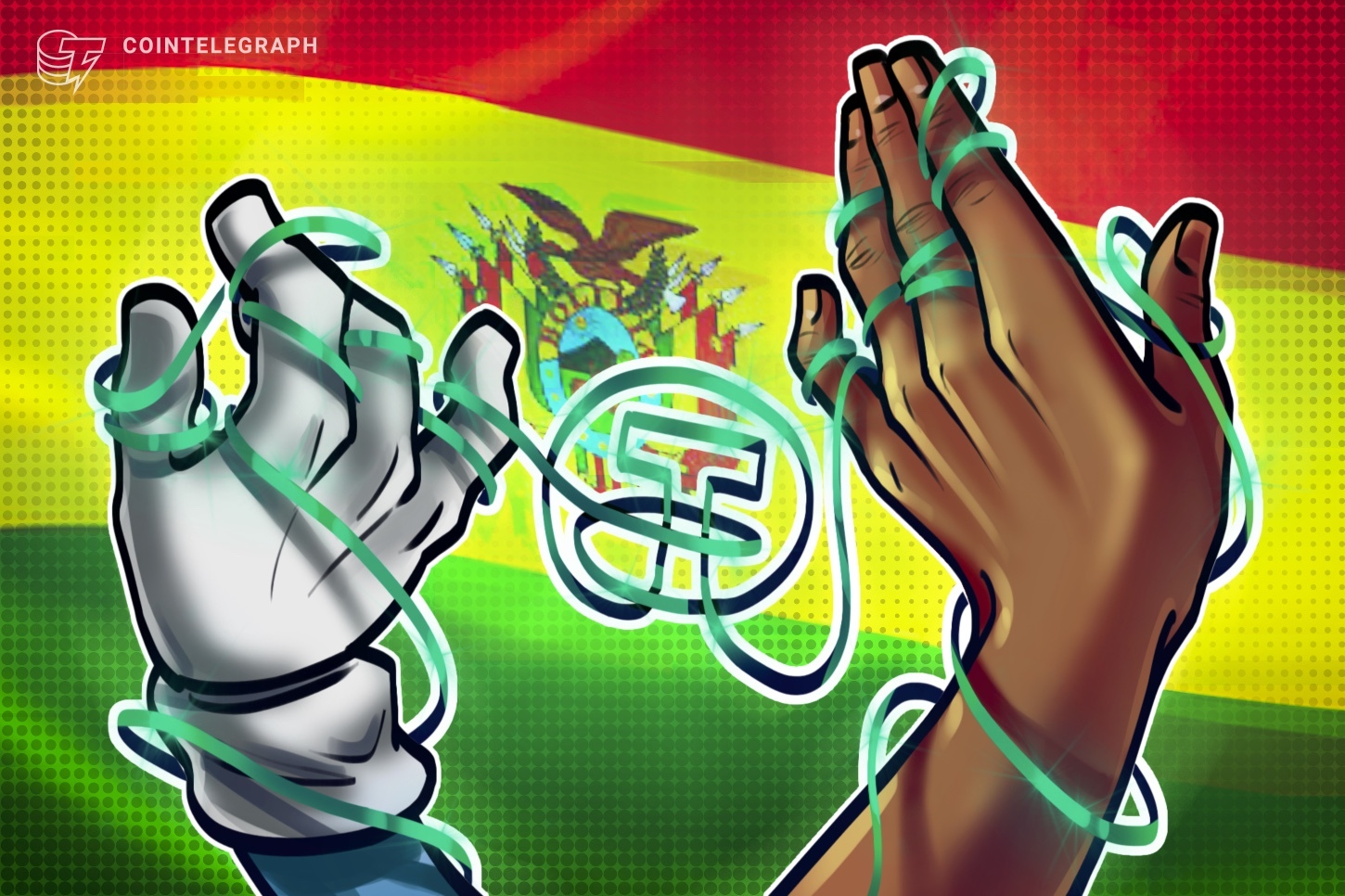
Bolivia is exploring the possibility of recognizing Tether (USDT), the largest stablecoin in the world, as a legitimate payment currency. This consideration arises amidst ongoing pressure on the country’s foreign currency reserves, which are dwindling due to various economic challenges.
Why It Matters
The adoption of USDT could provide a much-needed alternative for Bolivians facing a shortage of US dollars, which are typically used for international trade and savings. Allowing USDT for payments may enhance liquidity in the economy, facilitate trade, and offer citizens a stable alternative for savings, especially in the volatile financial climate.
Context
Historically, Bolivia has relied on the US dollar for its economic stability. However, as global economic conditions change and local reserves decrease, the Bolivian government is seeking innovative solutions. Cryptocurrencies, particularly stablecoins like USDT, have gained traction worldwide, often serving as a bridge in economies with restricted access to traditional currencies.
What It Means
If Bolivia proceeds with recognizing USDT as an official means of payment, it may signal a broader trend of countries looking to cryptocurrencies to alleviate financial constraints. This move could encourage other nations facing similar dollar shortages to consider digital currencies, potentially reshaping the global financial landscape. The success of this initiative could depend on regulatory frameworks and public acceptance, which will be crucial for its implementation and long-term viability.