What Happened
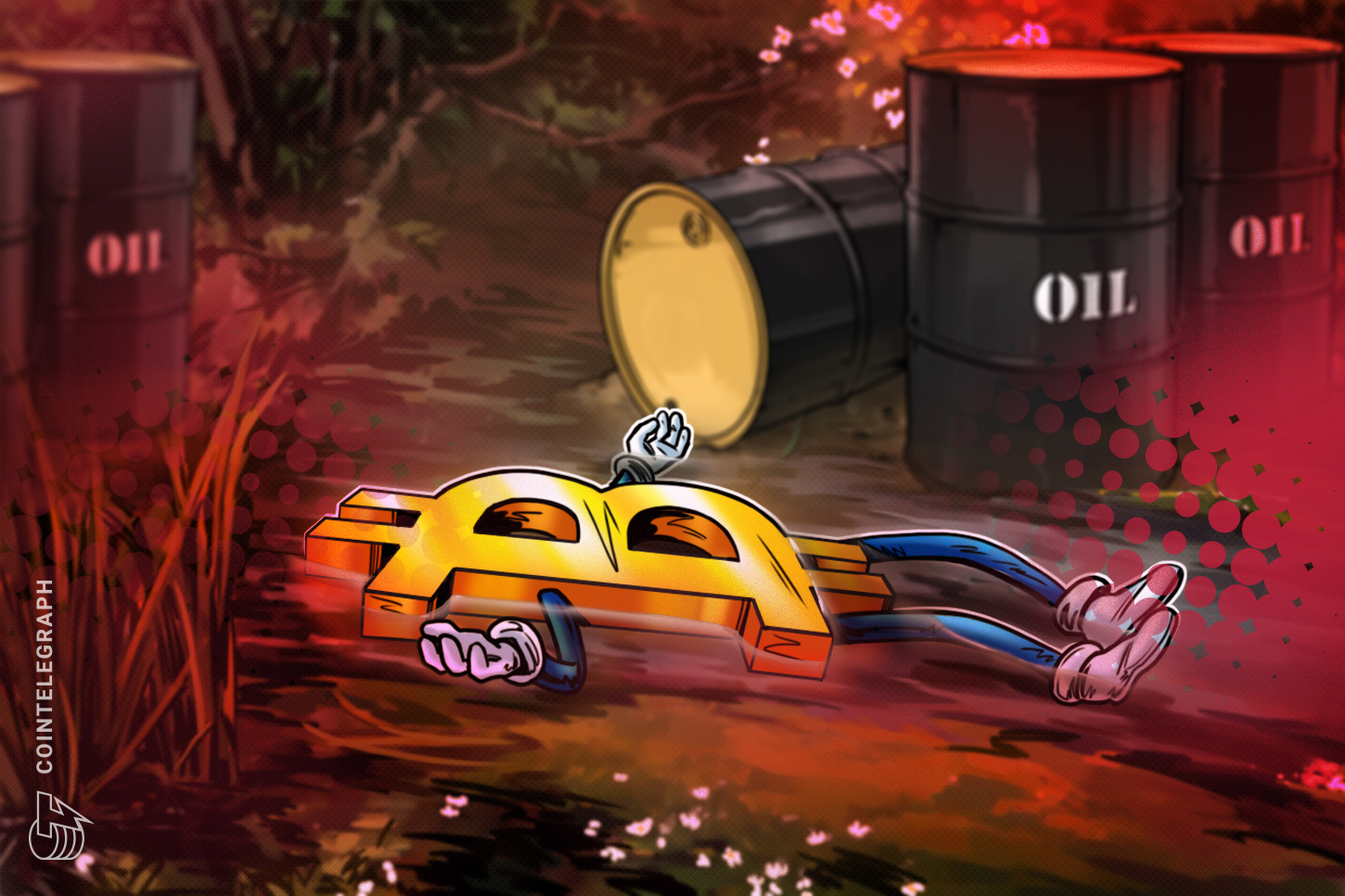
Bitcoin is currently experiencing downward pressure, with its price approaching the significant threshold of $61,000. This decline is accompanied by a sharp increase in oil prices, which have surged due to the recent collapse of the ceasefire between the US and Iran. The geopolitical tensions in the region are raising concerns about potential disruptions in oil supply through the Strait of Hormuz, a vital trade route.
Why It Matters
The connection between geopolitical events and financial markets is undeniable. As oil prices rise—now reaching around $75 per barrel—investors are becoming increasingly risk-averse. This shift in sentiment can lead to a sell-off in risk assets, including cryptocurrencies like Bitcoin. A drop below the $61,000 mark could amplify selling pressure and trigger further declines, impacting not only Bitcoin but also the broader cryptocurrency market.
Context
Historically, Bitcoin has reacted to global events, particularly those affecting traditional commodities like oil. The Strait of Hormuz is critical for global oil transport, and any threat to its security can cause significant fluctuations in oil prices. The past few months have seen various geopolitical tensions, but the recent breakdown in negotiations between the US and Iran particularly exacerbates concerns over market stability.
What It Means
The current situation highlights the interconnectedness of global markets. Rising oil prices could lead to heightened inflation fears, prompting central banks to adjust monetary policy, which may further impact Bitcoin and other cryptocurrencies. Investors should keep a close eye on both geopolitical developments and market reactions, as the outcome may have lasting implications for the future of Bitcoin and its position within the financial landscape.