What Happened
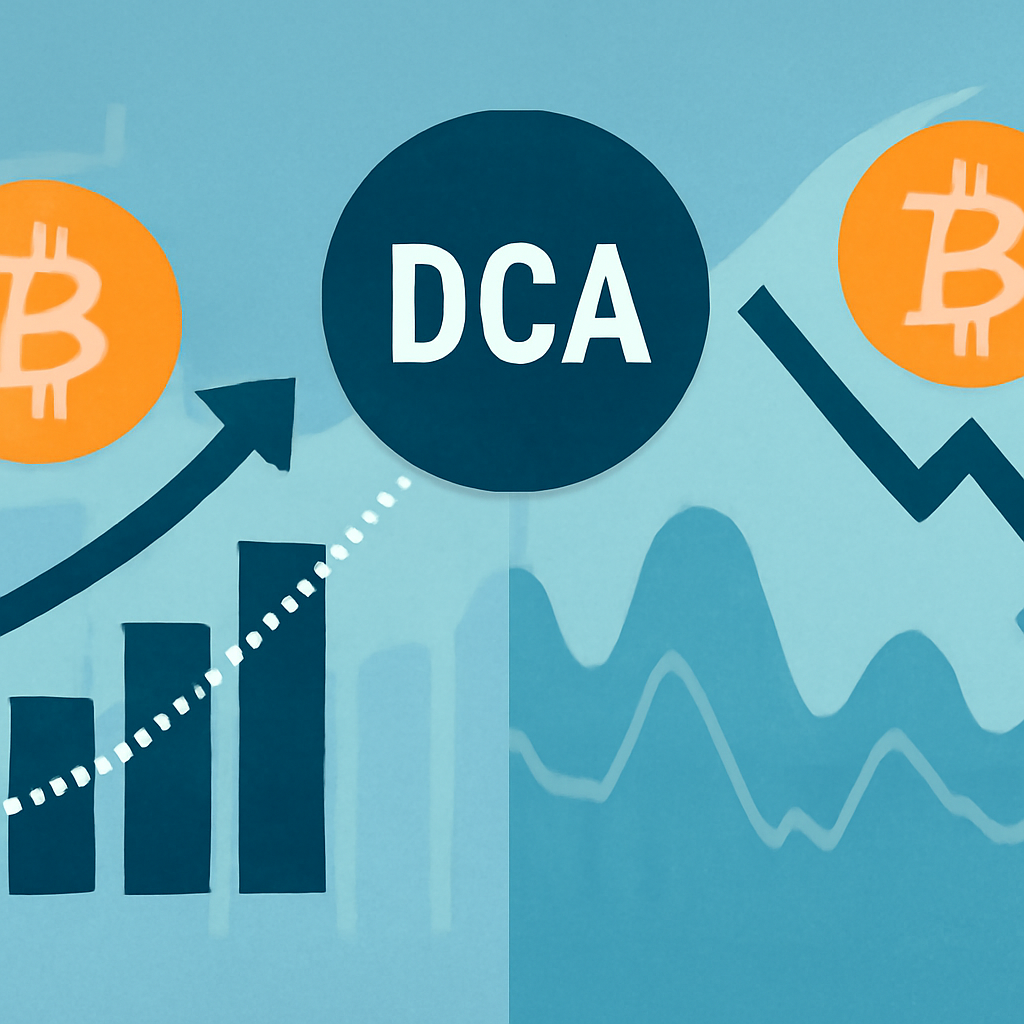
Bitcoin's value has dropped approximately 13% since its peak in 2021, while the S&P 500, represented by the SPY ETF, has surged by about 60%. This decline might make some investors wary, but there’s a silver lining for those employing a dollar-cost averaging (DCA) strategy.
Why It Matters
Using DCA, where investors consistently buy a set dollar amount of Bitcoin over time, has proven to yield a return of around 42%. While this is lower than SPY's 48% return, the gap highlights how consistent investing in Bitcoin can mitigate the impact of its notorious price volatility. This finding suggests that long-term investors may benefit from a steady approach rather than attempting to time the market.
Context
Bitcoin reached its peak in 2021, drawing in many new investors eager to capitalize on its rapid rise. However, the subsequent decline led to uncertainty in the market. In contrast, the S&P 500 has shown resilience, continuing its upward trajectory over the same period. This situation presents a compelling comparison between traditional stock investments and cryptocurrency.
What It Means
The data indicates that while Bitcoin's price is lower than its all-time high, a DCA strategy can still produce significant returns. This approach may be more beneficial than trying to pinpoint the ideal buying moment, as missing out on early investments can lead to greater losses. Investors should consider the advantages of regular investment in Bitcoin to balance the risks associated with its volatility.