The Gist
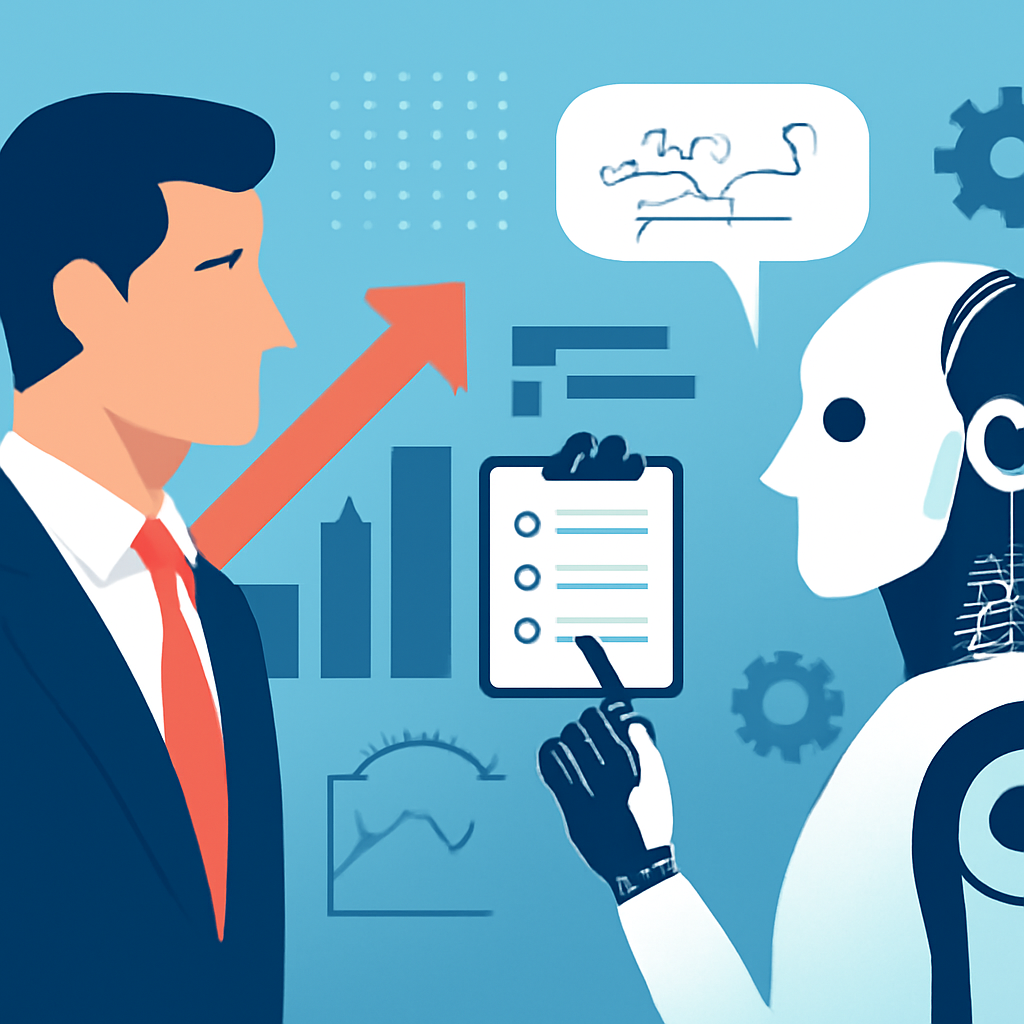
The role of managers is evolving in the age of AI, sparking debate about their necessity in modern organizations. While some argue that automation makes certain managerial functions obsolete, others contend that effective leadership is more crucial than ever as companies navigate new complexities.
How It Worked
Industry experts highlight that AI is not eliminating management but is changing its nature. Traditional middle management roles focused on controlling information flow are diminishing. Instead, organizations require managers who can design governance structures around AI, ensuring accountability and human judgment where necessary. This shift emphasizes the importance of emotional intelligence, trust-building, and clear communication, as managers must foster a sense of safety and connection among employees.
Results
Companies that adapted to these new dynamics reported improved employee retention and engagement. For example, when one organization replaced a technically skilled but relationally absent manager with one who prioritized psychological safety, productivity metrics stabilized, and employees felt more empowered to voice concerns. This change demonstrates the tangible benefits of effective human-centered leadership in the workplace.
Why It Matters for You
As AI continues to permeate business processes, consider how you can enhance your managerial skills beyond task management. Focus on building trust, fostering open communication, and creating a supportive environment. These human-centered approaches can help you not only retain talent but also drive innovation and resilience in your organization, ensuring that you and your team thrive in an evolving landscape.