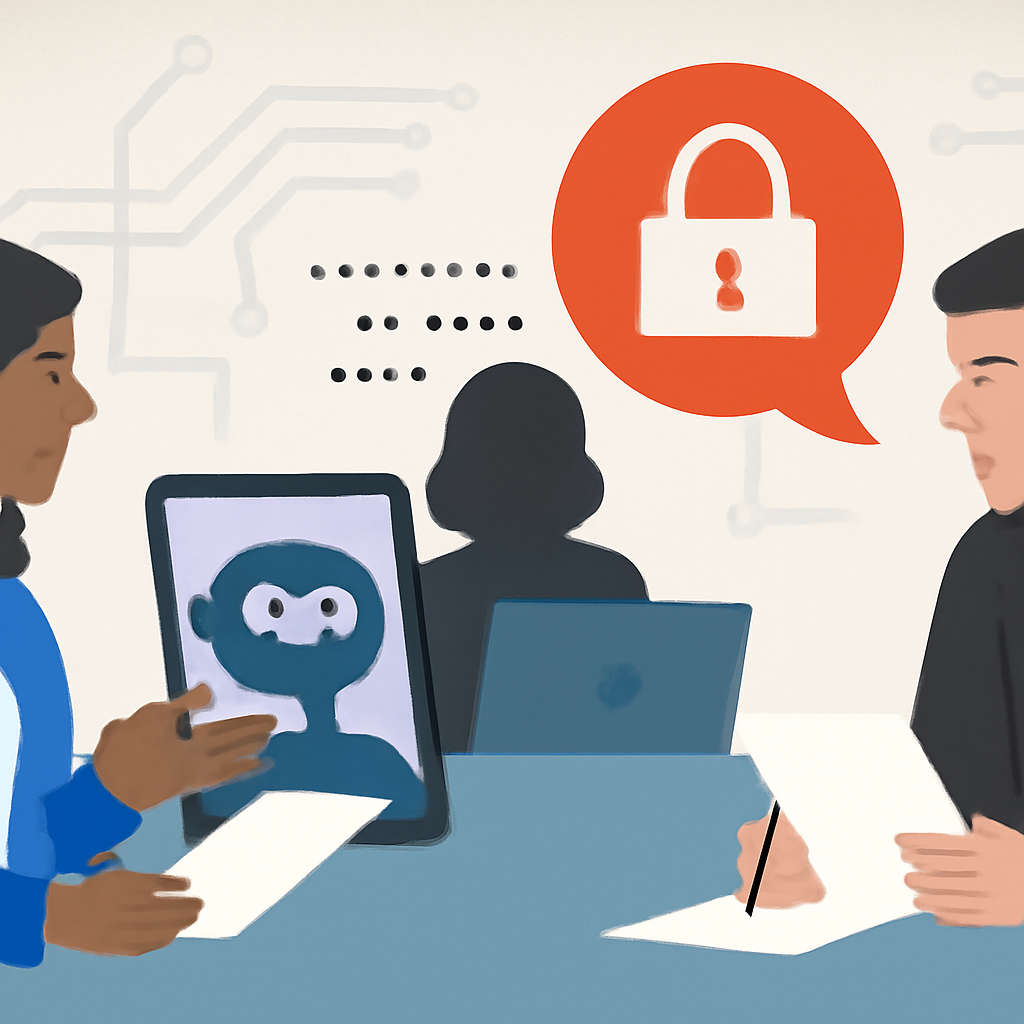
The Gist
AI notetakers are increasingly used to summarize meetings, but their reliance on data collection raises privacy concerns. Legal professionals warn that sensitive information could be compromised if these tools are not used cautiously.
How It Worked
During meetings, it's crucial to check for AI notetakers, which can be present without clear notification. Legal experts recommend stating upfront that meetings should not be recorded. This approach shifts the responsibility from individuals to company policy, easing concerns about privacy. Additionally, if an AI notetaker is present, participants can choose to not discuss sensitive topics until it is turned off. Professionals should also be aware of their rights regarding biometric data, including vocal signatures, which can be exploited if mishandled.
Results
Law firms implementing these strategies reported a decrease in anxiety around sensitive discussions. For instance, one firm saw a 30% reduction in concerns about data leaks after establishing clear recording policies. Moreover, participants felt more empowered to assert their privacy rights, leading to more open conversations.
Why It Matters for You
Before adopting AI notetaking tools, assess their privacy implications. Know your rights regarding data protection and establish clear policies for meetings. Engaging in open discussions about recording practices can significantly enhance trust and confidentiality within your team.