Sуть
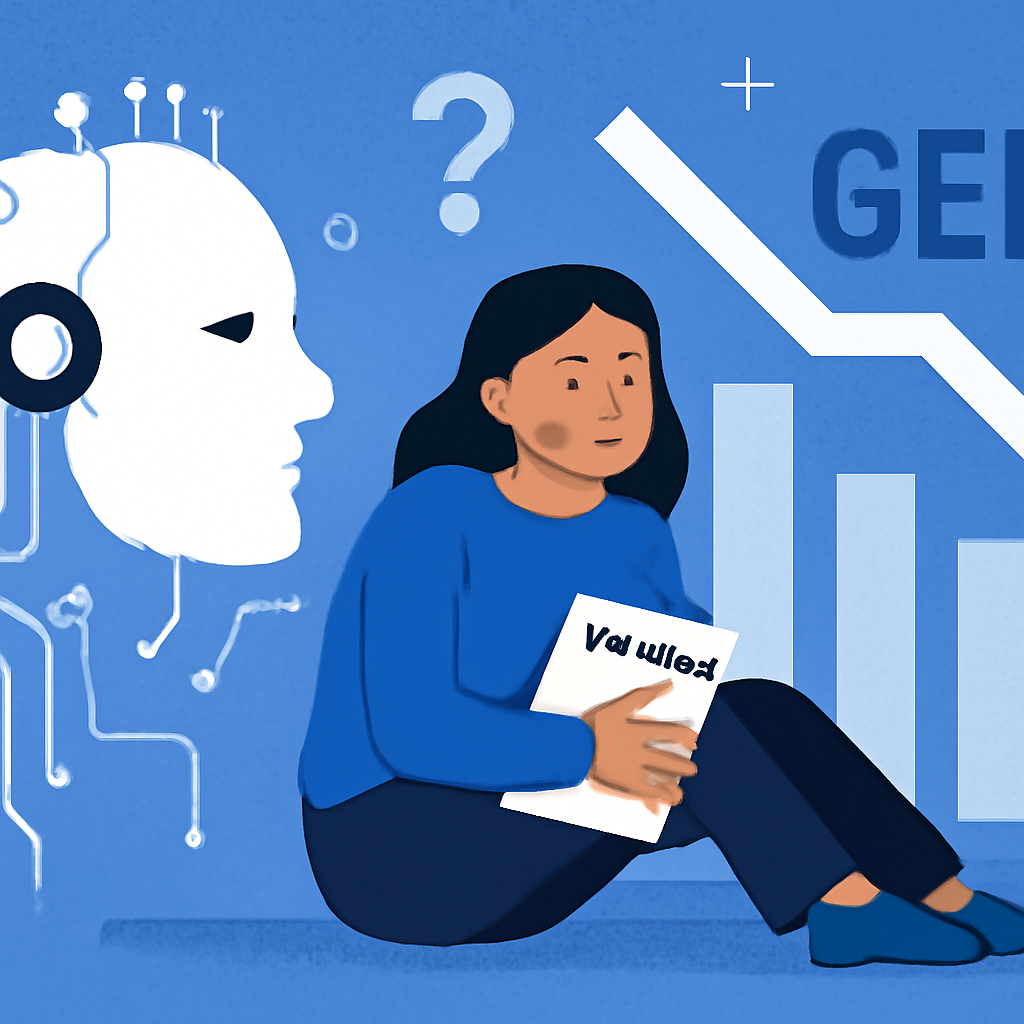
Recent research shows that Gen Z's employment struggles are largely due to a general shortage of job openings, rather than a lack of AI skills. Data from the Federal Reserve Bank of St. Louis indicates that the unemployment rate for 18- to 24-year-olds increased by 2.9 percentage points between April 2023 and late 2025, primarily due to limited job availability.
Как это работало
The study analyzed labor conditions and highlighted that while AI demand has shifted employer expectations, its impact on young worker unemployment is minimal compared to overall job scarcity. Between April 2023 and late 2025, the rise in unemployment among young workers was primarily driven by a slowdown in hiring, affecting new entrants the most. The research noted that older workers, aged 25 to 64, did not experience similar job loss, emphasizing that young, inexperienced workers often face the brunt of hiring slowdowns.
Результат
The findings revealed a nuanced picture: the unemployment impact of fewer job openings was 2.2 points, while AI demand led to an increase of only 1.7 points. This suggests that while AI is a factor, the lack of job opportunities is the more significant hurdle for Gen Z. Moreover, the summer job outlook for teens is also bleak, with only 790,000 jobs projected for summer 2026, down from 801,000 the previous year.
Why It Matters для тебя
Understanding these dynamics is crucial for businesses and hiring managers. As job openings dwindle, investing in training and mentorship for young workers can create a more resilient workforce. Additionally, recognizing the challenges faced by Gen Z can inform strategies to attract and retain this talent pool, ultimately benefiting your organization’s growth and innovation.