What Happened
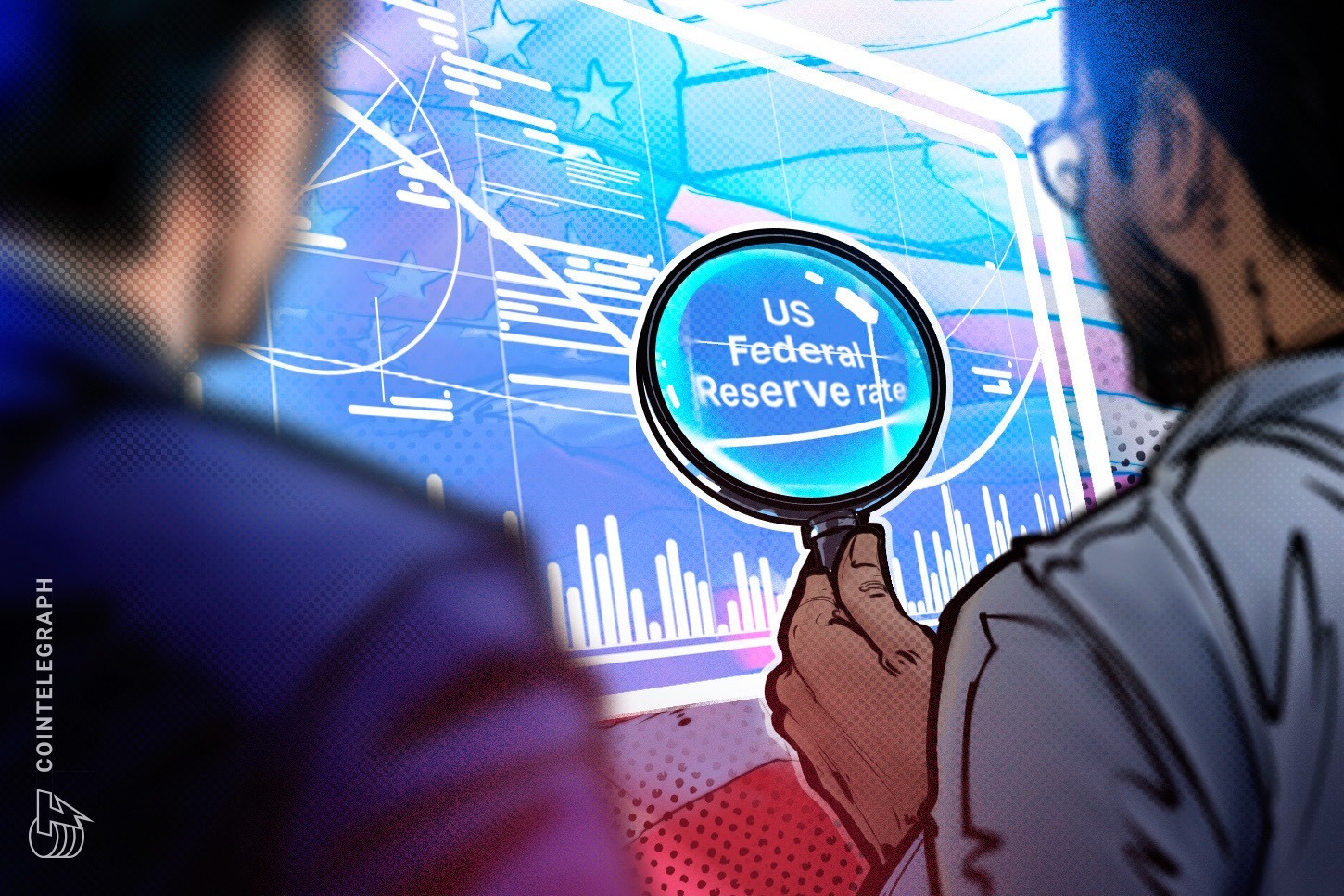
The Federal Reserve is raising alarms about inflation due to the significant demand for artificial intelligence (AI) infrastructure. Policymakers have noted that this ongoing demand could lead to increased prices for technology products and electricity, creating a complex situation for future monetary policy decisions.
Why It Matters
This situation is crucial as it suggests that the booming AI sector could have unintended consequences on the economy. If prices for technology and energy rise, it could complicate the Fed's efforts to manage inflation effectively. Higher inflation could lead to increased interest rates, which would affect borrowing costs for consumers and businesses, ultimately slowing down economic growth.
Context
The AI industry has been experiencing rapid growth, driven by advancements in machine learning and data processing capabilities. This surge has created a demand for robust infrastructure, including data centers and energy resources. Historically, similar technological booms have influenced inflation trends, often leading to increased costs that ripple through the economy.
What It Means
The Federal Reserve’s concerns indicate that the AI boom is not just a technological advancement but a significant economic factor. As they consider their next steps on interest rates, the interplay between AI demand and inflation will be critical. Investors and consumers alike should keep a close watch on how these dynamics unfold, as they could shape financial conditions for the foreseeable future.