What Happened
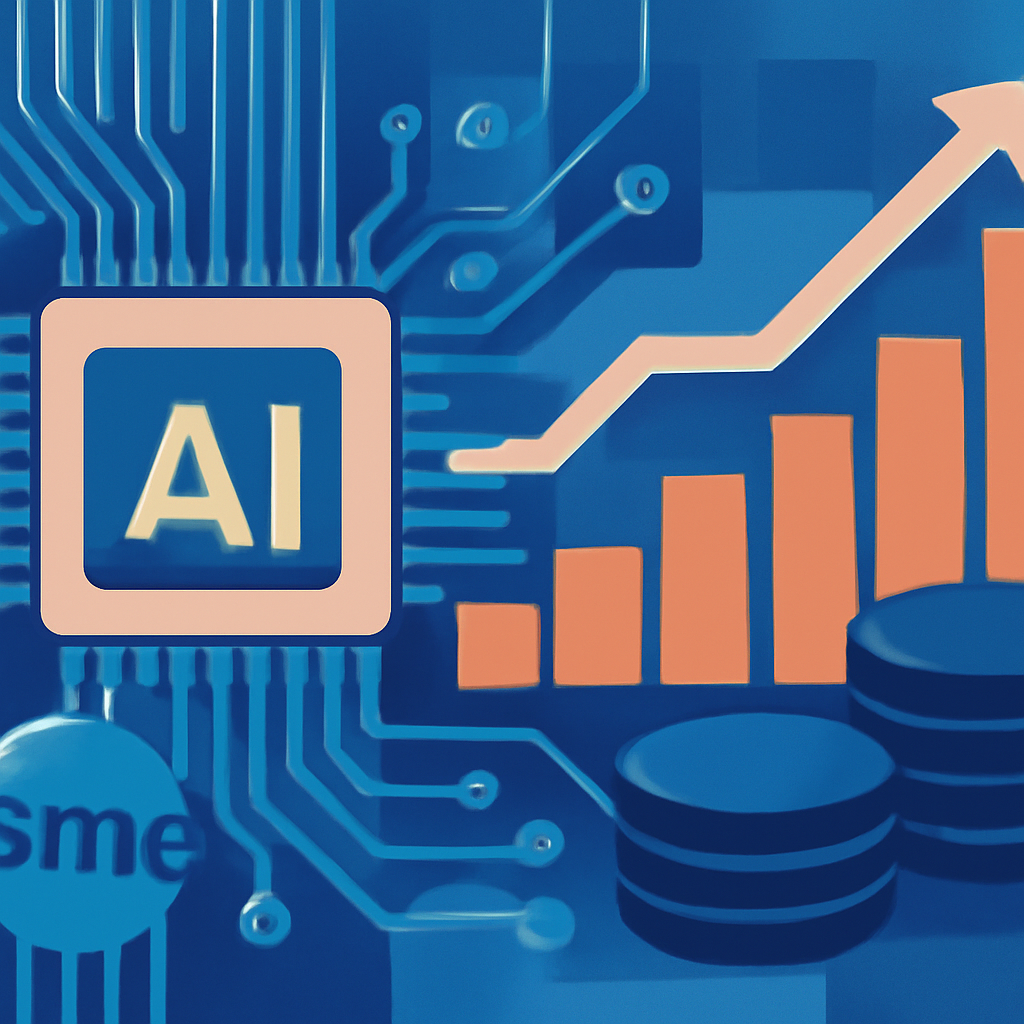
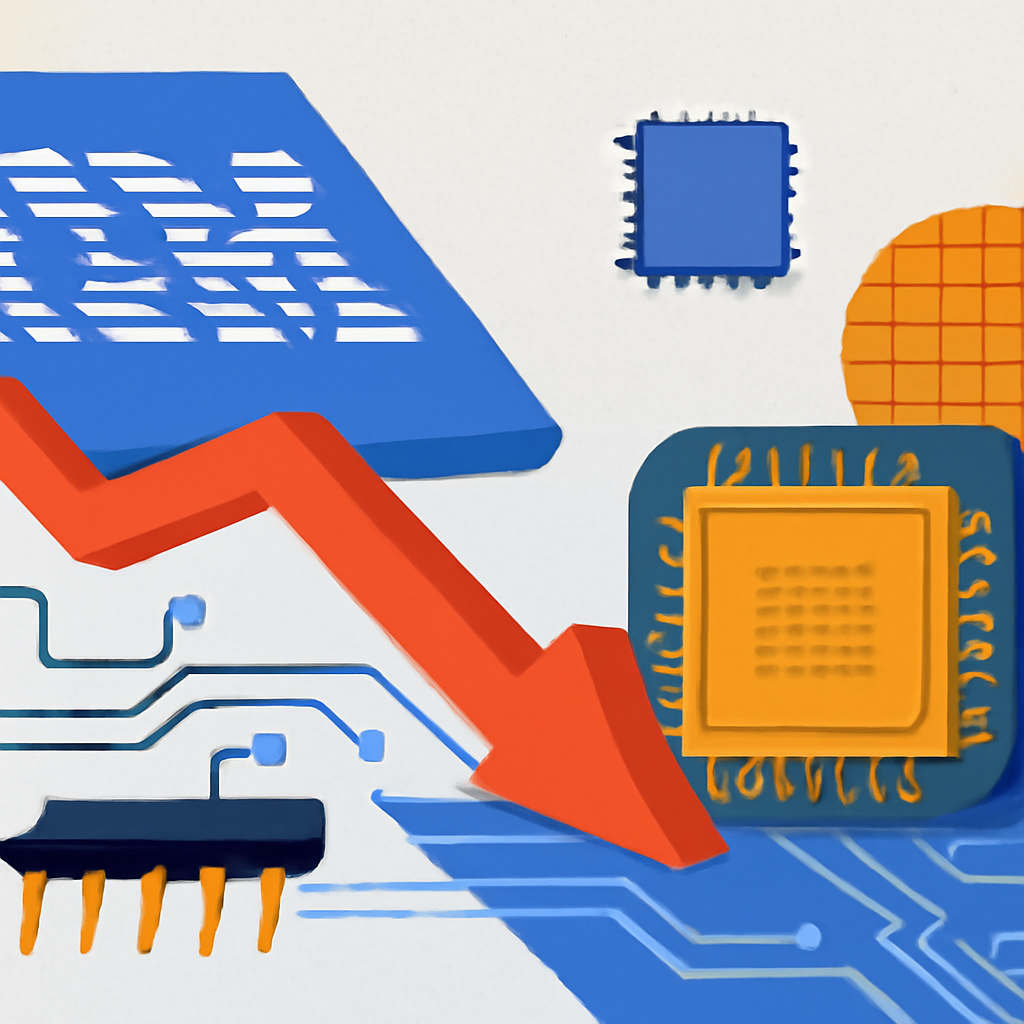
During a recent congressional testimony, the new chair of the Federal Reserve, Kevin Warsh, made a significant statement regarding the future of investments in artificial intelligence (AI). He emphasized that while the potential for economic growth from AI is promising, a failure to meet investor expectations could lead to a rapid decline in capital influx to these companies.
Why It Matters
Warsh's comments underscore a critical point for the tech industry: investor confidence is essential. If AI companies do not deliver on their promises, it could lead to a swift pullback of capital investment. This could result in a downturn not just for individual companies but potentially for the entire technology sector. As AI becomes a more integral part of the economy, the stakes are higher than ever for companies to succeed in their AI endeavors.
Context
The tech industry has seen an unprecedented surge in investment in AI technologies over the past few years, with companies pouring billions into research and development. This growth has been fueled by the belief that AI can revolutionize various sectors, from healthcare to finance. However, the landscape is rife with uncertainty, and the recent volatility in the stock market suggests that investor sentiment can shift quickly.
What It Means
Warsh's warning serves as a reminder that the hype surrounding AI must be matched by tangible results. Should companies fail to meet the lofty expectations set by investors, the flow of capital could dry up almost instantly, leading to potential layoffs, reduced innovation, and a slower pace of advancement in AI technologies. This creates a precarious situation for startups and established firms alike, as they navigate the fine line between innovation and investor satisfaction.