What Happened
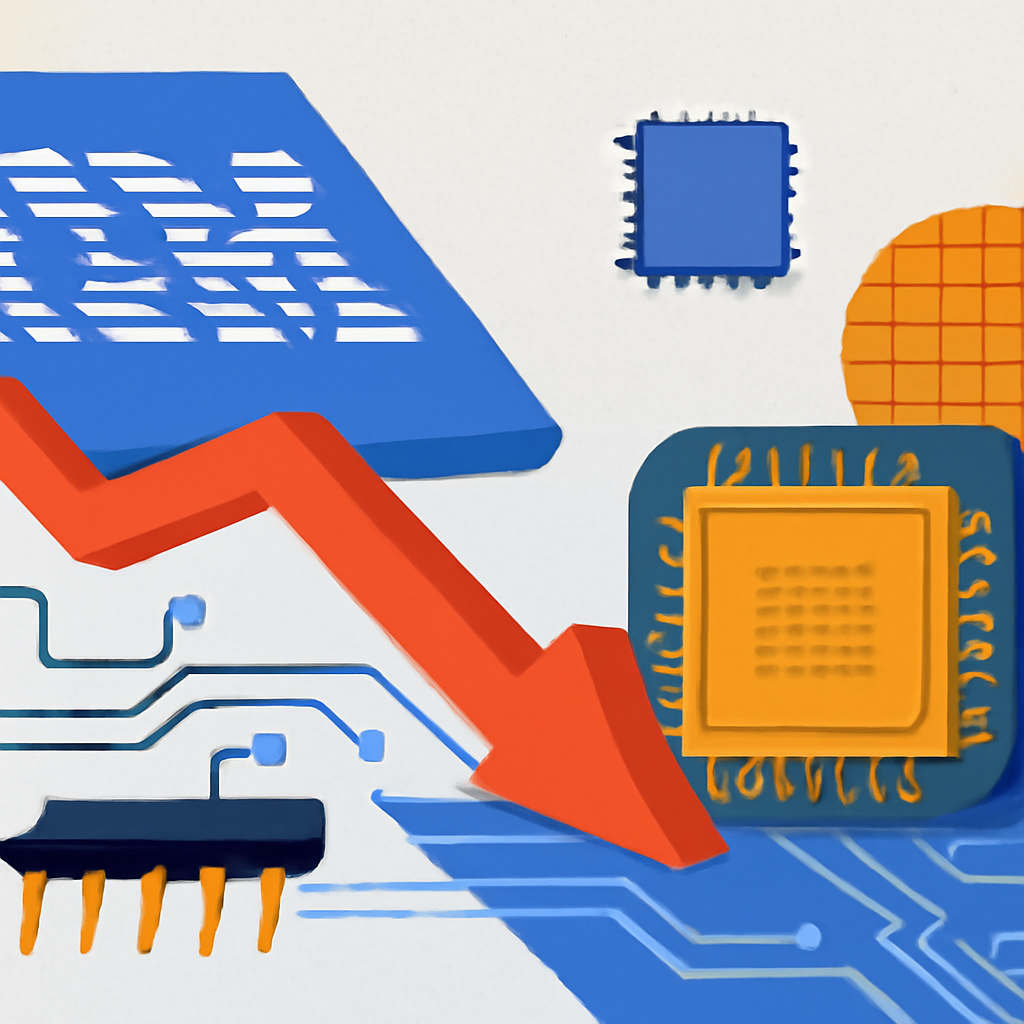
IBM's stock recently took a significant hit due to disappointing sales forecasts, which were largely attributed to the rising costs of memory components. This decline has raised concerns about the overall health of the semiconductor industry, as IBM's struggles often ripple through tech-related sectors.
Why It Matters
Despite IBM's troubles, this situation may actually signal a bullish trend for semiconductor manufacturers. The increasing cost of memory chips suggests that demand is outpacing supply, which typically leads to higher prices. Companies like Nvidia, AMD, Avago, and Micron are well-positioned to benefit from this trend, as their products remain in high demand, ensuring a steady revenue stream even amid broader market anxieties.
Context
The semiconductor industry's dynamics have changed significantly in recent years, with demand for advanced chips—especially those used in AI and gaming—skyrocketing. While IBM is grappling with its pricing strategies in light of rising costs, semiconductor firms continue to innovate and expand their market presence. This contrast highlights the different challenges faced by hardware manufacturers versus companies like IBM that rely on selling complete systems.
What It Means
The disparity in pricing power between IBM and semiconductor companies is crucial. While IBM may struggle to pass on increased hardware costs to its customers, chipmakers are less vulnerable to such pressures due to their control over supply and pricing. This ongoing evolution in the semiconductor space indicates that, rather than a downturn, we might be on the brink of a new era of growth for these companies, particularly if they can leverage the current market conditions effectively.