The Gist
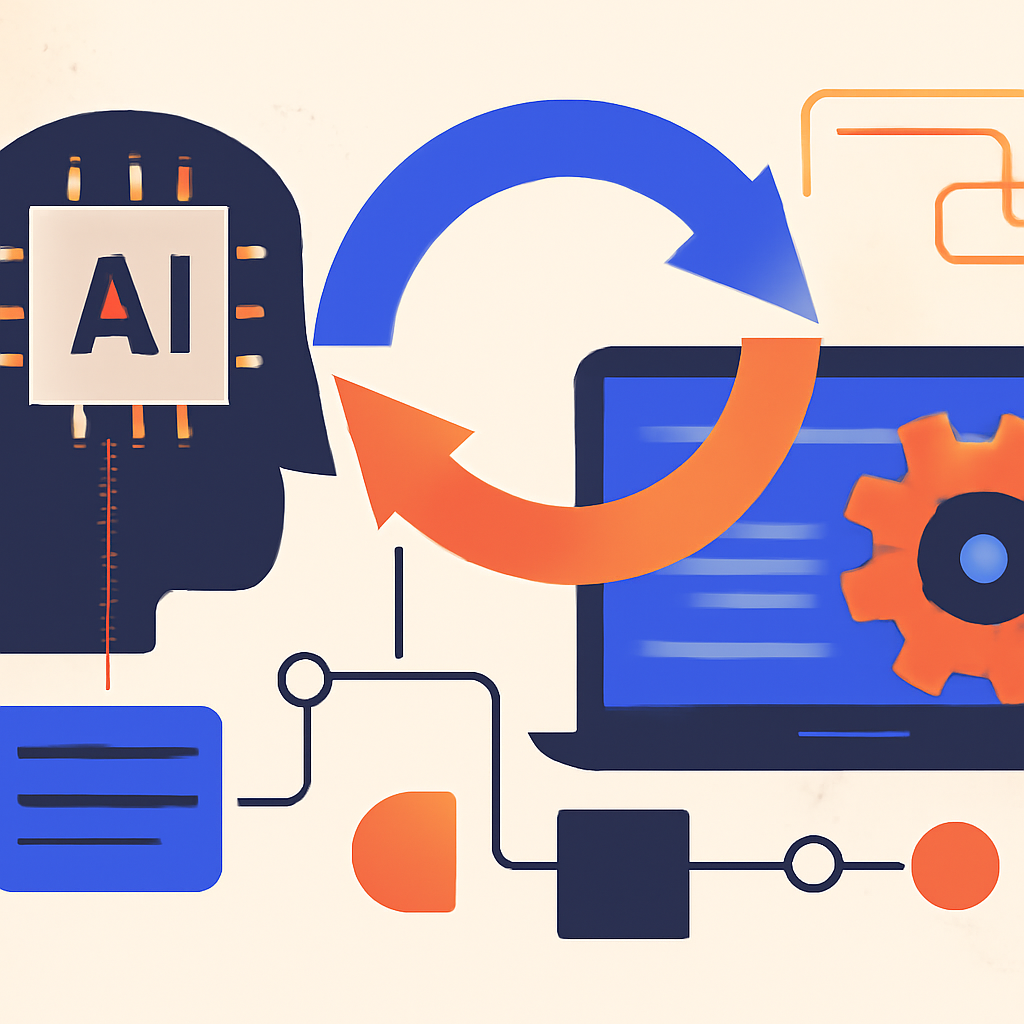
The evolution of AI from simple prompt responses to complex learning loops marks a significant shift in how businesses interact with technology. This transition highlights the need for effective governance as AI systems become self-optimizing entities rather than passive responders.
How It Worked
Enterprises initially focused on prompt engineering, where the quality of output depended solely on the prompt’s construction. However, the emergence of loop engineering—designing systems that allow AI to continuously learn and adapt—has changed the game. Companies are now creating loops that automate processes like sales, hiring, and customer service, which can observe their performance, act on data, receive feedback, and adjust their behavior autonomously. This requires a new governance model to oversee these dynamic systems.
Results
Organizations that implemented loop engineering have seen enhanced efficiency across departments. For instance, a company utilizing a customer service loop achieved a 30% decrease in ticket resolution time but also noted a 15% decline in customer satisfaction due to the speed-focused optimization. This illustrates the dual-edged nature of AI loops, where improved performance metrics can mask underlying governance issues.
Why It Matters for You
Understanding AI loops is crucial for business leaders. As these systems gain autonomy, it is essential to establish clear governance frameworks that define objectives, permissions, and accountability. Companies should ensure that their AI systems align with broader strategic goals rather than just optimize for isolated metrics. By doing so, they can avoid the pitfalls of misaligned objectives and ensure that AI contributes positively to their organizational mission.