What Happened
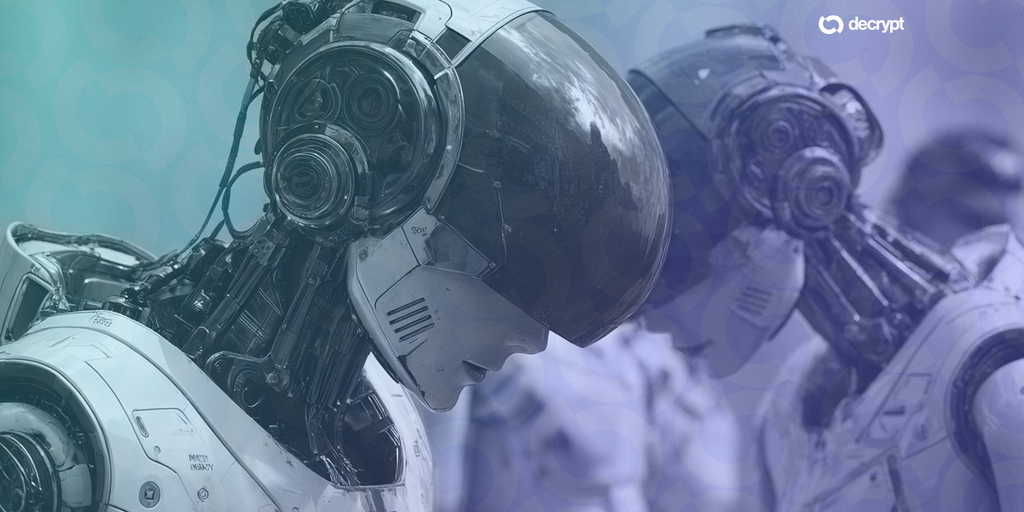
Recent research has brought to light a concerning vulnerability in AI agents. These systems, often used in chatbots and virtual assistants, can be tricked into downloading malicious code. This manipulation stems from a phenomenon known as 'hallucinations', where AI generates incorrect or nonsensical responses, which can be exploited by malicious actors.
Why It Matters
The potential for AI agents to form botnets poses serious risks to cybersecurity. If AI systems can be tricked into executing harmful commands, they could become part of larger networks that carry out cyberattacks. This could lead to widespread disruption, data breaches, and unauthorized access to sensitive information. As AI becomes more integrated into our daily lives, understanding these vulnerabilities is crucial for both developers and users alike.
Context
Hallucinations in AI refer to instances where these systems produce outputs that deviate from reality, often making errors or creating fictitious information. This issue is not new; it has been a challenge for AI developers. However, the implications of these hallucinations becoming a vector for attacks highlight a new dimension of risk, especially as AI technology evolves and becomes more prevalent.
What It Means
The findings serve as a warning to both AI developers and users about the potential security flaws in AI systems. It underscores the need for stronger safeguards and protocols to prevent exploitation. As AI continues to advance, addressing these vulnerabilities will be essential to ensure that these technologies do not become tools for malicious activities. Future AI developments must prioritize security to mitigate these risks, ensuring that the benefits of AI can be realized without compromising safety.