What Happened
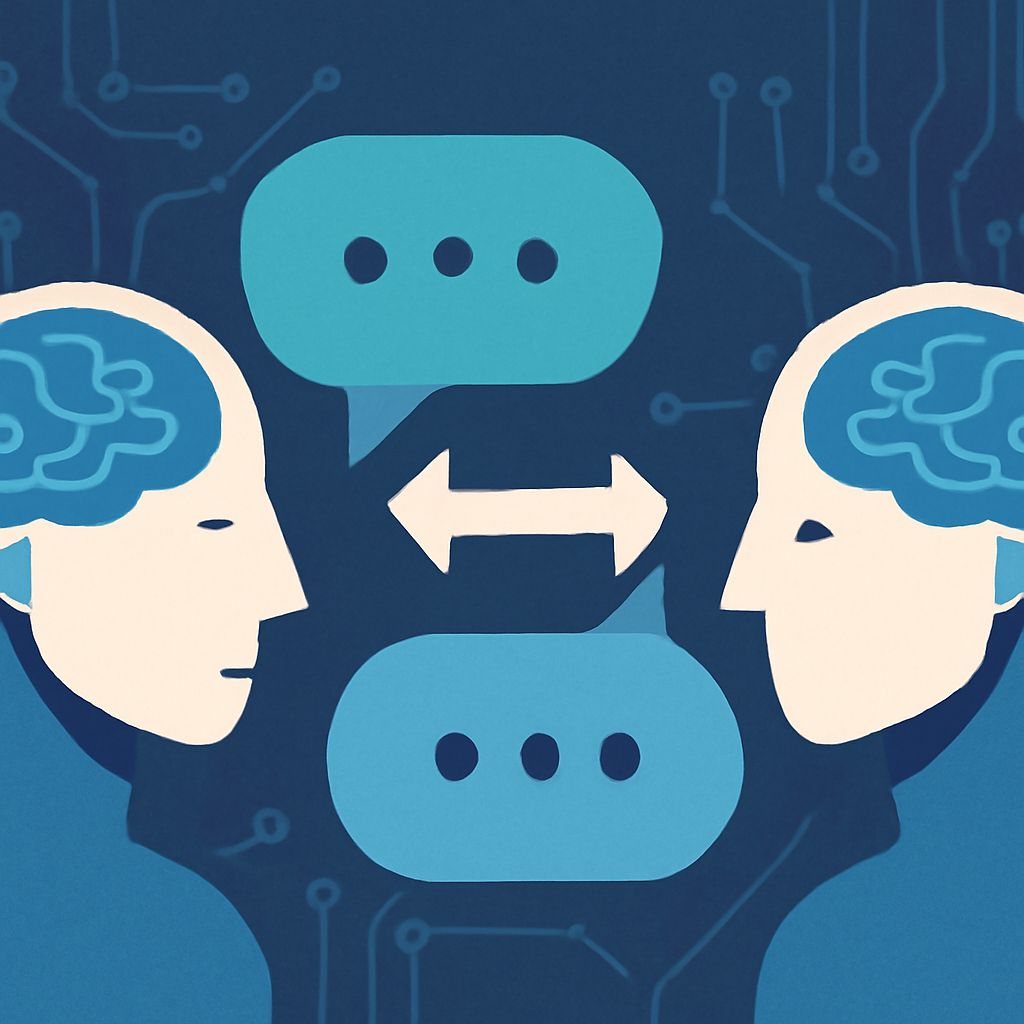
Recent discussions have highlighted a shift in how AI agents might operate in the future. Currently, AI interacts with the internet similarly to humans, navigating through websites, clicking buttons, and parsing content. This method is seen as inefficient and slow. The emerging concept of 'agent-native infrastructure' proposes that AI agents will communicate directly with each other using APIs and protocols, bypassing the need for traditional user interfaces entirely.
Why It Matters
This shift to direct communication between AI agents could revolutionize various industries. For instance, instead of scouring LinkedIn for job opportunities, your personal AI agent could directly query other agents representing potential employers or investors. This will reduce reliance on traditional web practices such as SEO and advertising, leading to a more merit-based evaluation of options. The potential for enhanced efficiency and effectiveness in AI interactions could reshape how businesses operate and how users engage with technology.
Context
Historically, AI agents have been limited by the same constraints as human users. They engage with the web through graphical user interfaces, which can be cumbersome and filled with distractions. The concept of agents communicating directly is rooted in the development of more sophisticated AI technologies and protocols that are designed to facilitate seamless interactions without human-like obstacles. This evolution reflects a broader trend in technology towards automation and simplification.
What It Means
The move towards agent-to-agent communication indicates a significant leap in AI capabilities. It suggests that future applications could be more streamlined, reducing friction in processes like job searching or networking. However, the transition to this model is not without challenges, including technical barriers related to standards, security, and interoperability. As the community explores these possibilities, the potential use cases are exciting, and the timeline for mainstream adoption remains a topic of discussion among developers and technologists.