What Happened
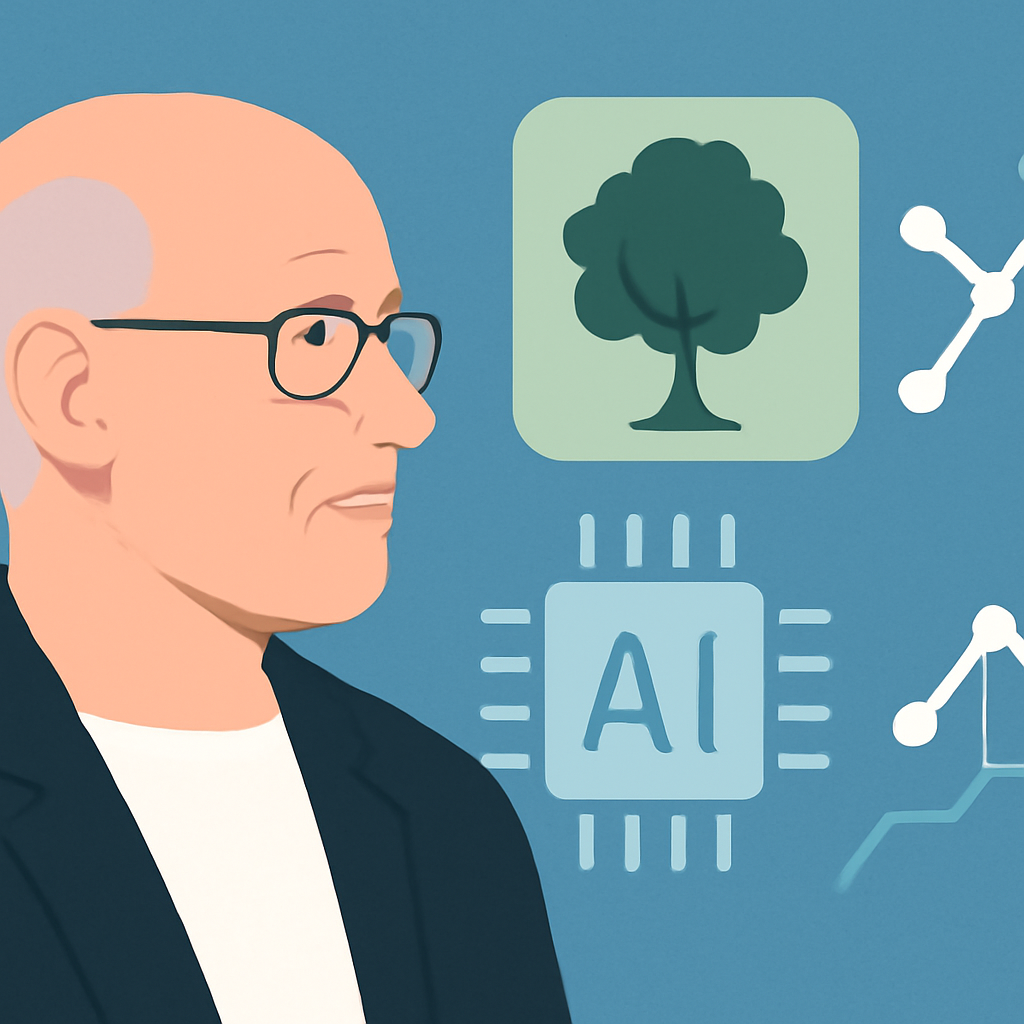
Richard Sutton, a prominent figure in artificial intelligence, has launched Oak Lab, a research initiative focused on developing a groundbreaking AI architecture known as OaK, which stands for "Options and Knowledge." The goal of Oak Lab is to create an AI agent with a trillion parameters that can learn and plan in real-time while consuming only 20 watts of energy. This ambitious project aims to prototype a new form of AI that learns continuously from its own experiences rather than relying solely on pre-trained data.
Why It Matters
The implications of Sutton's work could be enormous for the future of AI. If successful, this new architecture could lead to systems that not only understand complex concepts but also adapt and evolve like a child learning in its first year. Such advancements could revolutionize various sectors, from robotics to healthcare, by creating AI that is more intuitive and capable of complex decision-making processes with minimal energy consumption.
Context
Sutton has been advocating for this vision of AI for the past few years, emphasizing the need for a dynamic reinforcement learning approach. The OaK architecture aims to address some of the limitations of existing AI systems, which often rely heavily on large datasets and fixed training processes. By focusing on real-time learning and adaptation, Sutton hopes to pave the way for the next generation of artificial intelligence that mirrors human cognitive development.
What It Means
The launch of Oak Lab marks a significant step towards achieving artificial general intelligence (AGI). If the prototype meets its ambitious goals, it could set a new standard for AI development. A system that learns and plans autonomously could lead to breakthroughs in how machines interact with the world, ultimately making them more efficient and versatile. This initiative not only highlights the potential of AI but also raises important questions about energy efficiency and sustainability in technology.