What Happened
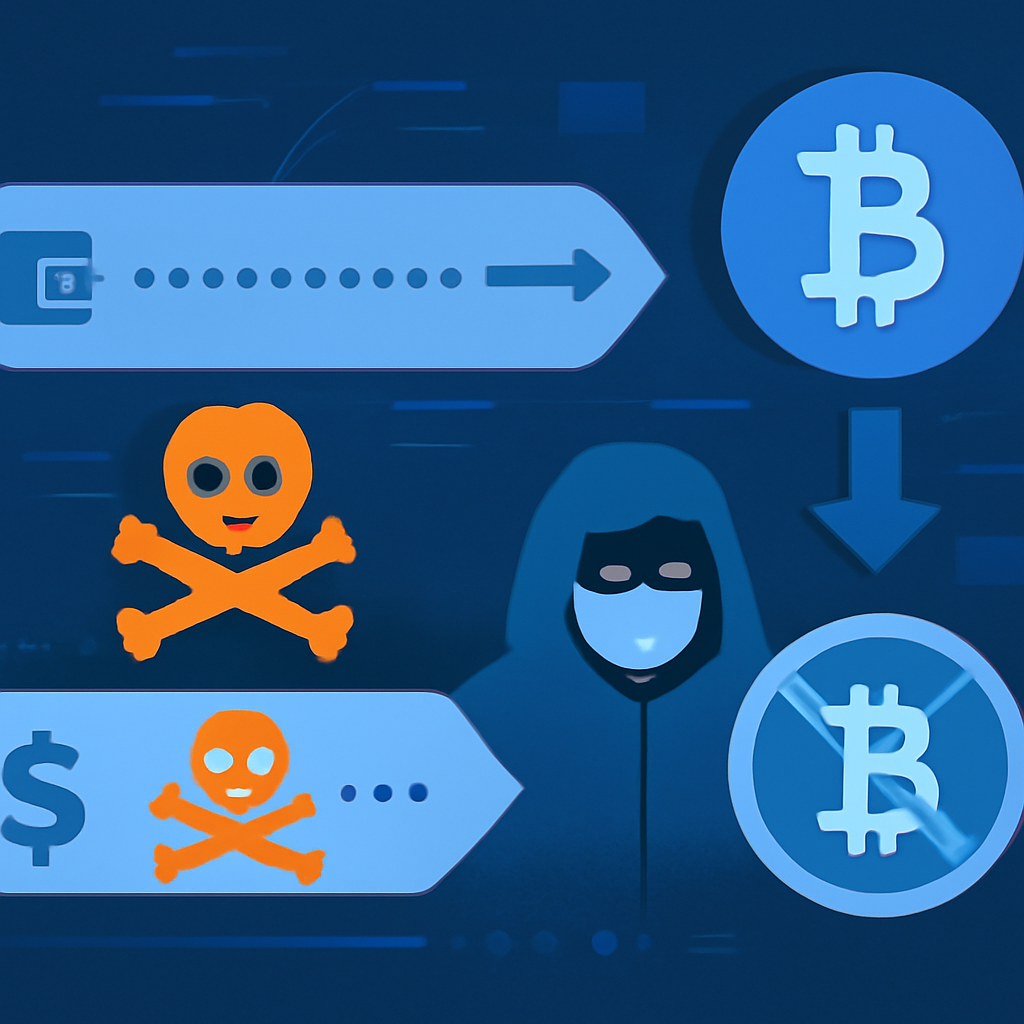
Address poisoning is a common tactic used by attackers to exploit the way token transactions work on the blockchain. When you send or receive tokens, you may notice that you receive random tokens from addresses that mimic the one you interacted with. This is a form of manipulation that can confuse users and lead to potential losses.
Why It Matters
The implications of address poisoning are significant for users engaging with decentralized finance (DeFi) and cryptocurrency transactions. If an attacker can send fake tokens from your address, it raises questions about the security of your wallet and the true ownership of your funds. Users need to be aware of how these tactics work to protect themselves and their assets.
Context
Historically, address poisoning has been a common issue in the crypto space. It exploits the fact that many tokens can be created easily, allowing attackers to create fake assets that resemble legitimate ones. This has been particularly prevalent in Ethereum and other smart contract platforms, where users often interact with various tokens. The goal of the attacker is to trick users into believing they have received a legitimate token, often leading to confusion and potential loss of real funds.
What It Means
If you notice that your address is sending out fake tokens, it does not necessarily mean that your account has been compromised. Instead, it could be a result of address poisoning, where the attacker is simply trying to manipulate the perception of your account's activity. However, if they have control over your wallet, the risk is much higher, as they could directly steal your funds. It’s essential to maintain good security practices, such as using hardware wallets and enabling two-factor authentication, to safeguard your assets against these types of attacks.