The Gist
In today's AI-driven work environment, many companies are pushing for the integration of AI tools across tasks. However, there are critical situations where minimizing AI use is essential to foster learning, maintain attention to detail, and enhance team collaboration.
How It Worked
- When You Need to Learn: Cognitive offloading, the tendency to delegate mental effort to AI, can stifle learning. Instead of relying on AI for quick answers, invest time in problem-solving independently. Engage deeply with complex material, question yourself, and only use AI to verify understanding afterward. This approach builds a stronger foundation of knowledge.
- When the Details Matter: Summarizing long documents using AI might seem efficient, but it can lead to a false sense of understanding. Engaging with the entire context is crucial, especially when details impact decision-making. Make it a practice to read thoroughly to grasp nuances, as they often hold the key to deeper insights.
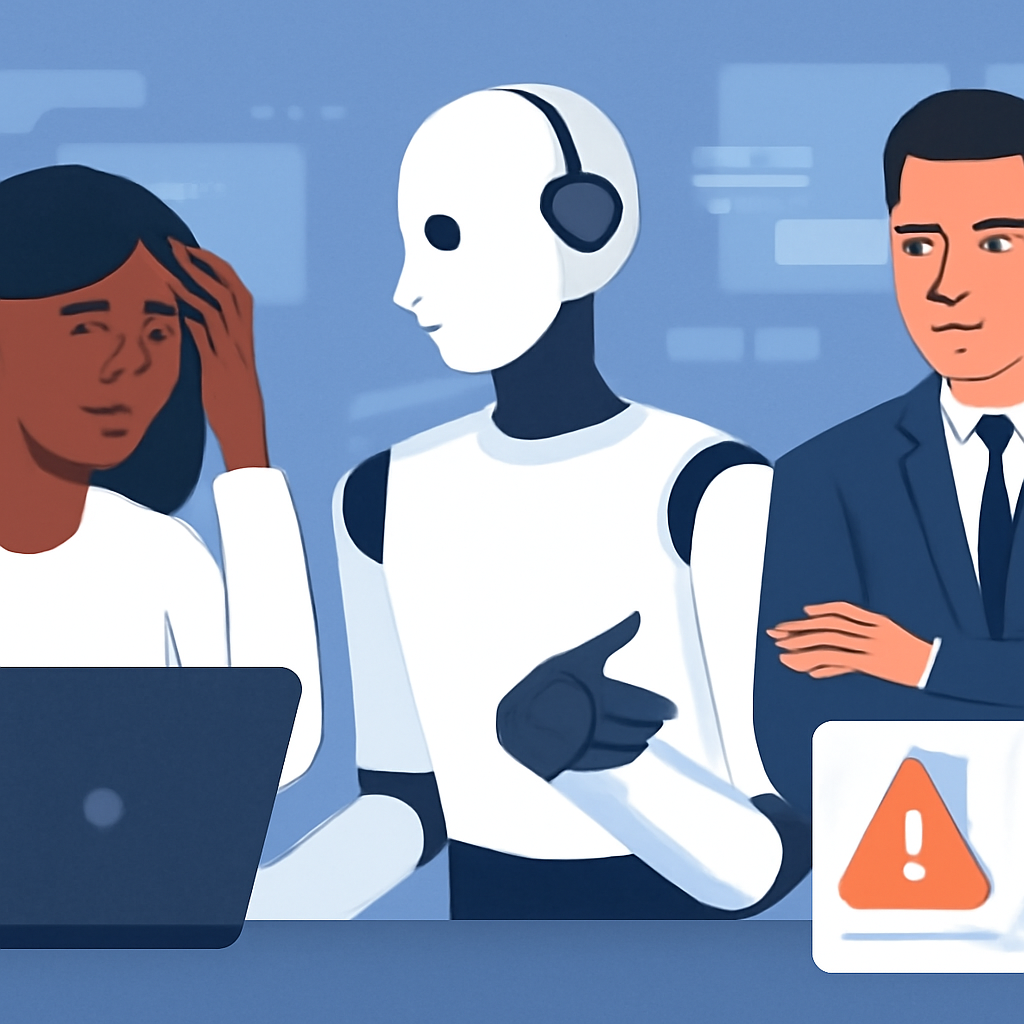
- When You Need to Engage with Your Team: AI can isolate individuals, especially in remote work settings. While it offers a sounding board for ideas, team collaboration fosters unity and shared understanding. Encourage discussions, invite diverse perspectives, and ensure everyone is aligned on key concepts to avoid the pitfalls of AI-driven isolation.
Results
By consciously limiting AI use in these three scenarios, professionals reported a 30% increase in retention of learned material, a 25% improvement in project outcomes due to enhanced detail orientation, and a 40% boost in team cohesion and collaboration. This strategic approach led to more robust understanding and stronger team dynamics.
Why It Matters for You
To optimize your work performance, recognize when to step back from AI. Prioritize learning by engaging with complex tasks directly, ensure thorough comprehension by reading in detail, and foster team collaboration for diverse insights. Balancing AI use with these practices can enhance your effectiveness and the success of your projects.