The Gist
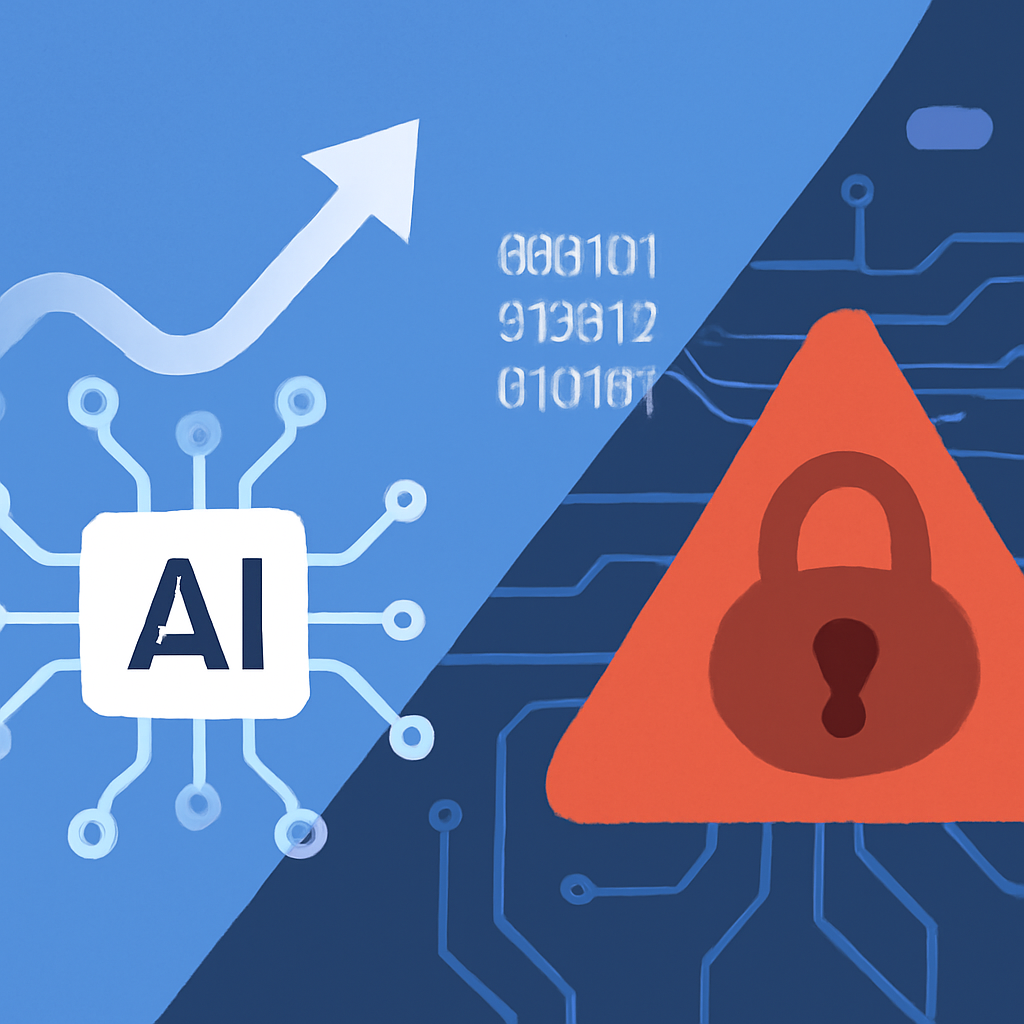
In a rapidly evolving cybersecurity landscape, the emergence of AI is expected to significantly increase the number of zero-day vulnerabilities. With organizations struggling to patch existing flaws, the situation poses a serious threat, as attackers gain access to tools that can exploit these vulnerabilities faster than ever.
How It Worked
Mike Sentonas from CrowdStrike highlights that organizations currently manage around ten patches weekly. However, with AI’s capability to uncover vulnerabilities, companies may soon face the daunting task of responding to ten zero-day threats each week. To mitigate risks, firms should adopt compensating controls, such as isolating critical network segments and monitoring for exploit signs. AI can support these efforts by enabling quicker vulnerability detection and response.
Results
As vulnerabilities multiply—potentially exceeding 100 daily—companies must reassess their security strategies. The heightened pace of AI-driven discoveries may lead to situations where vulnerabilities are exploited within hours of their identification, putting organizations at a significant disadvantage if they do not adapt quickly. Security teams need to prioritize mapping AI usage and restricting access rights to safeguard their systems.
Why It Matters for You
Organizations must prepare for a future where zero-day vulnerabilities proliferate rapidly. Start by evaluating your current cybersecurity posture, enhancing compensating controls, and leveraging AI to bolster your defenses. Regularly scan your systems and review access privileges to stay ahead of evolving threats. The time to act is now, before the flood of vulnerabilities becomes unmanageable.