Sуть
As organizations increasingly integrate AI into software development, the challenge lies in measuring its actual impact. Moving beyond pilot projects, businesses must assess whether AI investments deliver meaningful improvements in efficiency, quality, and capacity.
Как это работало
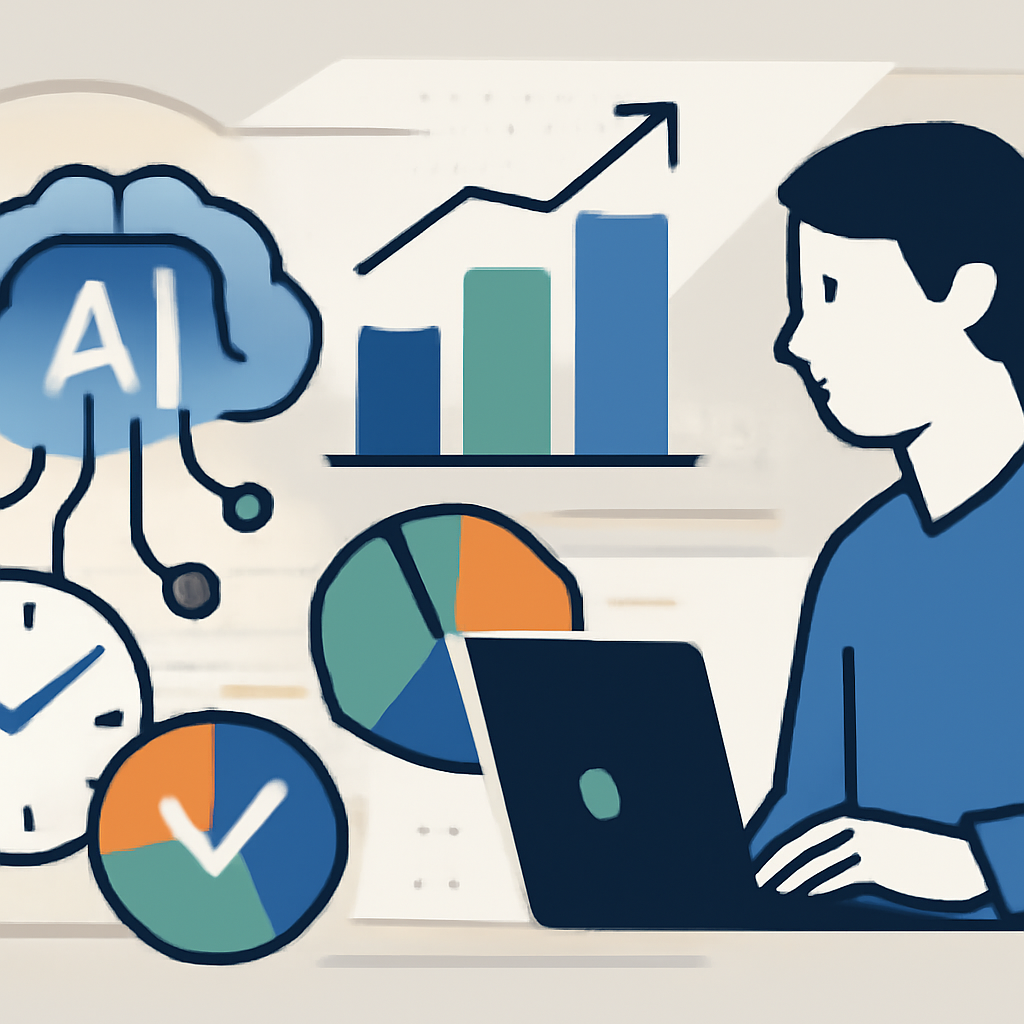
To effectively evaluate AI's role, focus on three key metrics: speed, quality, and capacity.
- Speed: Track how quickly teams deliver enhancements. This isn't just about being faster; it’s about moving from idea to deployment efficiently, enabling early feedback and faster learning cycles.
- Quality: Ensure that increased speed does not compromise standards. Monitor metrics like defect rates, preventable incidents, and the frequency of engineering rework to assess reliability.
- Capacity: Measure how AI frees up time for skilled teams. This metric is crucial for identifying opportunities for innovation and high-value work, which can yield significant returns on AI investments.
Результат
By implementing these metrics, organizations can gain insights into project performance. For example, a company that adopted these metrics saw a 30% reduction in defect rates while improving deployment speed by 40%. This led to a 25% increase in time allocated to innovation initiatives, significantly enhancing their competitive edge.
Why It Matters для тебя
For leaders looking to maximize AI's potential, these metrics offer a straightforward framework for assessing effectiveness. By measuring speed, quality, and capacity, you can make informed decisions about scaling AI initiatives, addressing issues, and discontinuing less effective projects. This approach not only clarifies the impact of AI but also aligns AI governance with business objectives, ensuring sustainable growth.