What Happened
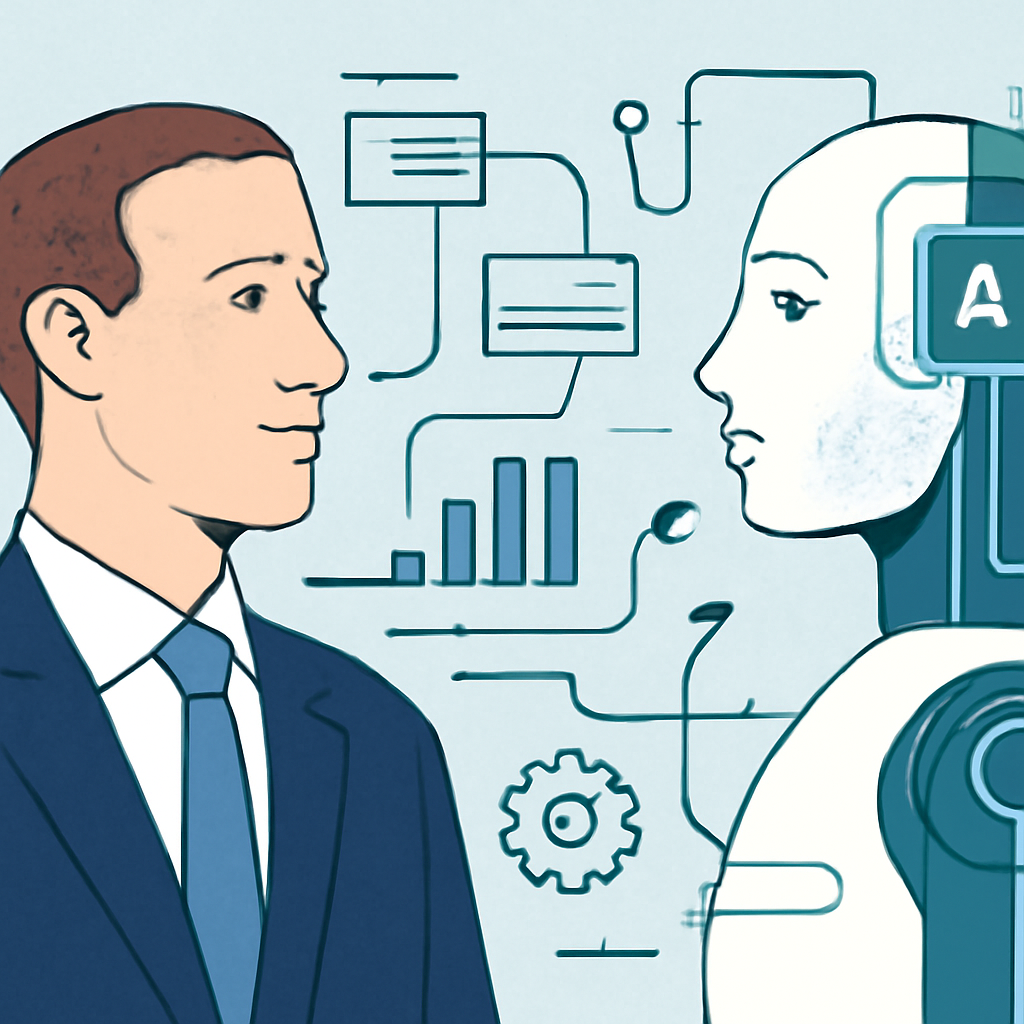
Meta has introduced an AI agent specifically designed for businesses, capable of handling customer interactions, scheduling appointments, and even closing sales. During the announcement, Mark Zuckerberg shared an ambitious vision: these AI agents could eventually manage entire businesses autonomously.
Why It Matters
This development signifies a major leap in AI capabilities, moving from a niche technology to a crucial component for business efficiency. For many small and medium-sized businesses (SMBs) and e-commerce platforms, this could lead to significant time savings in customer service and operational tasks. However, the introduction of such powerful tools also raises important questions about data privacy and ownership, especially when it comes to sensitive customer information.
Context
Historically, AI has been viewed as an experimental technology, primarily utilized by tech enthusiasts. Meta's move to incorporate AI into its core business operations reflects a shift in perception, indicating that AI is now seen as a necessary tool for competitive advantage. Yet, the reliance on large platforms like Meta introduces complexities regarding data control and privacy.
What It Means
The promise of AI-driven business management offers substantial benefits, particularly for those dealing with high volumes of customer interactions, such as local stores on Instagram. However, businesses in high-stakes sectors, like B2B SaaS or consultancies, might find it more prudent to maintain control over their data infrastructure. Relying too heavily on a platform like Meta could mean not only risking data ownership but also potentially funding ad campaigns to regain access to your own customer insights. As the landscape evolves, businesses will need to carefully consider the balance between leveraging AI advantages and safeguarding their operational data.