What Happened
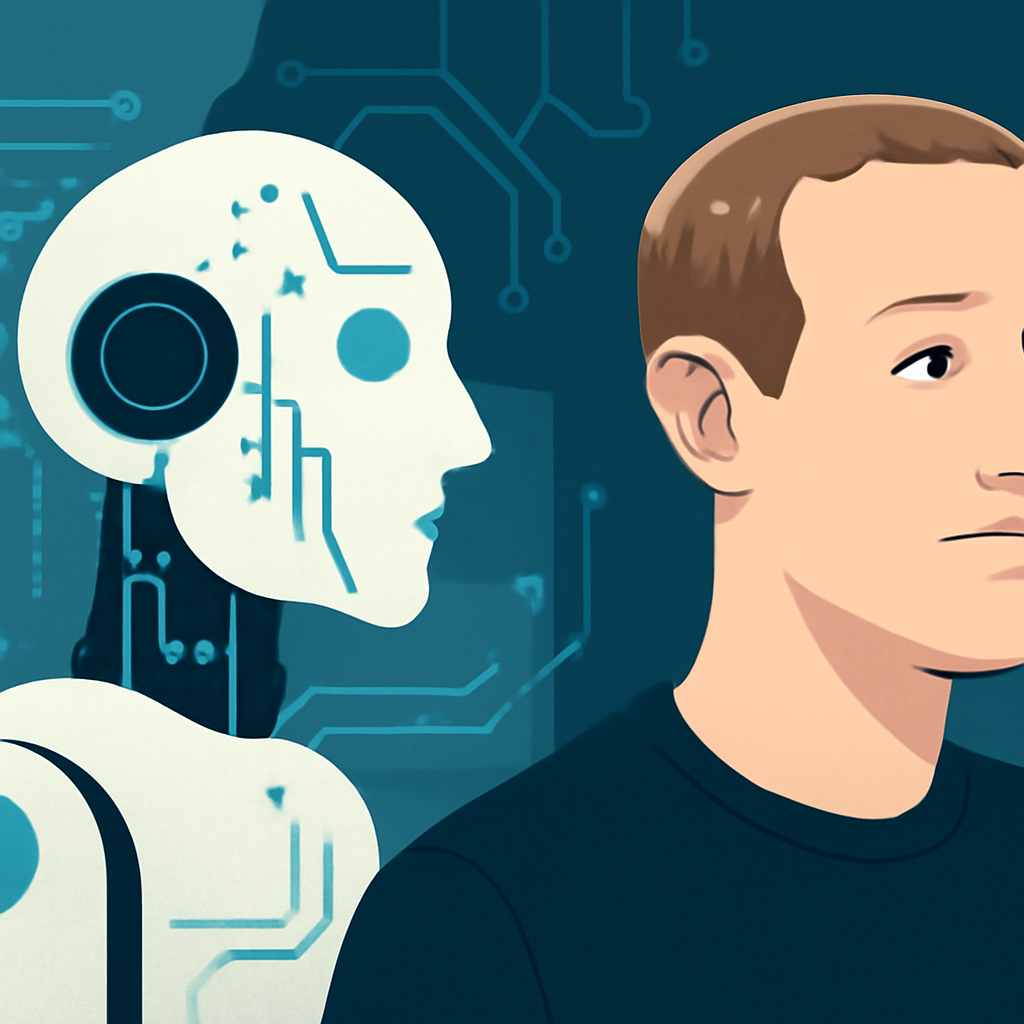
Mark Zuckerberg opened up about the fact that the restructuring at Meta has not been as successful as he had hoped. He noted that expectations regarding the speed of AI agent development were not met, and the timelines for implementing changes were inaccurately assessed. In May, Meta laid off about 10% of its employees and redirected approximately 7,000 individuals to new tasks related to artificial intelligence.
Why This Matters
Zuckerberg's admission highlights that even market giants like Meta face challenges adapting to new technologies. The restructuring aimed to fund costly AI projects and enhance automation levels; however, if expectations are not met, it could adversely affect future investments and the company’s strategy. Additionally, such issues could lead to dissatisfaction among employees and investors.
Context
Meta's restructuring began amid increasing competition in the tech sector and the necessity for innovation. AI has become a key focus, with companies, including Meta, striving to integrate it into their products and services. However, as practice shows, transitioning to new technologies requires time and careful planning.
What This Means
Zuckerberg's acknowledgment of failures in the restructuring may serve as a signal to other companies that implementing AI is a complex and multifaceted process. It’s crucial not only to invest in technology but also to effectively manage changes within the organization. Meta may need to reevaluate its strategies and approaches to achieve the desired results in the future.