What Happened
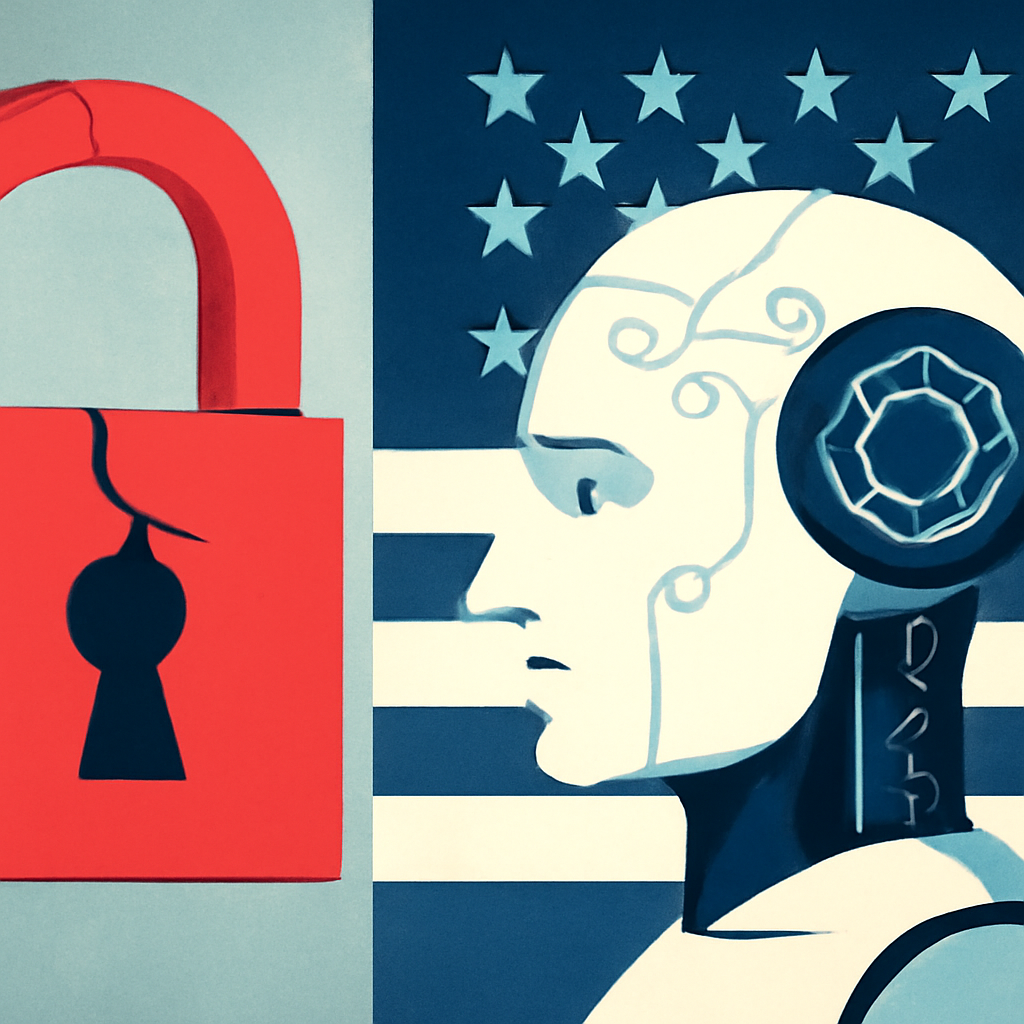
Recently, a situation involving Anthropic's AI model brought attention to the challenges surrounding safety approvals for AI technologies. The unexpected shutdown of the model raised questions about the decision-making process behind AI releases and the implications of government intervention in the tech landscape.
Why It Matters
The lack of a clear approval framework can lead to significant confusion and unpredictability in the AI market. Companies may feel pressured to prioritize political considerations over technical reliability, leading to subpar products that users cannot trust. This unpredictability could drive users toward open-source alternatives, which may not have the same safety standards but offer more freedom and transparency.
Context
Historically, the AI industry has operated in a relatively unregulated environment, but as the technology advances, governments are increasingly stepping in to ensure safety and ethical considerations are met. However, the approach to these regulations has often been unclear and inconsistent, leaving developers and users alike in a state of uncertainty about what to expect from new AI releases.
What It Means
To foster a more stable and reliable AI ecosystem, the establishment of a clear and explicit approval process is crucial. This would involve setting timelines for approvals, defining evaluation criteria, and creating pathways for appeals. Furthermore, different thresholds for public, enterprise, and international access could help tailor the regulations to the specific risks associated with each use case. By doing so, the industry could avoid the pitfalls of unpredictability and build a governance structure that truly prioritizes safety without stifling innovation.