What Happened
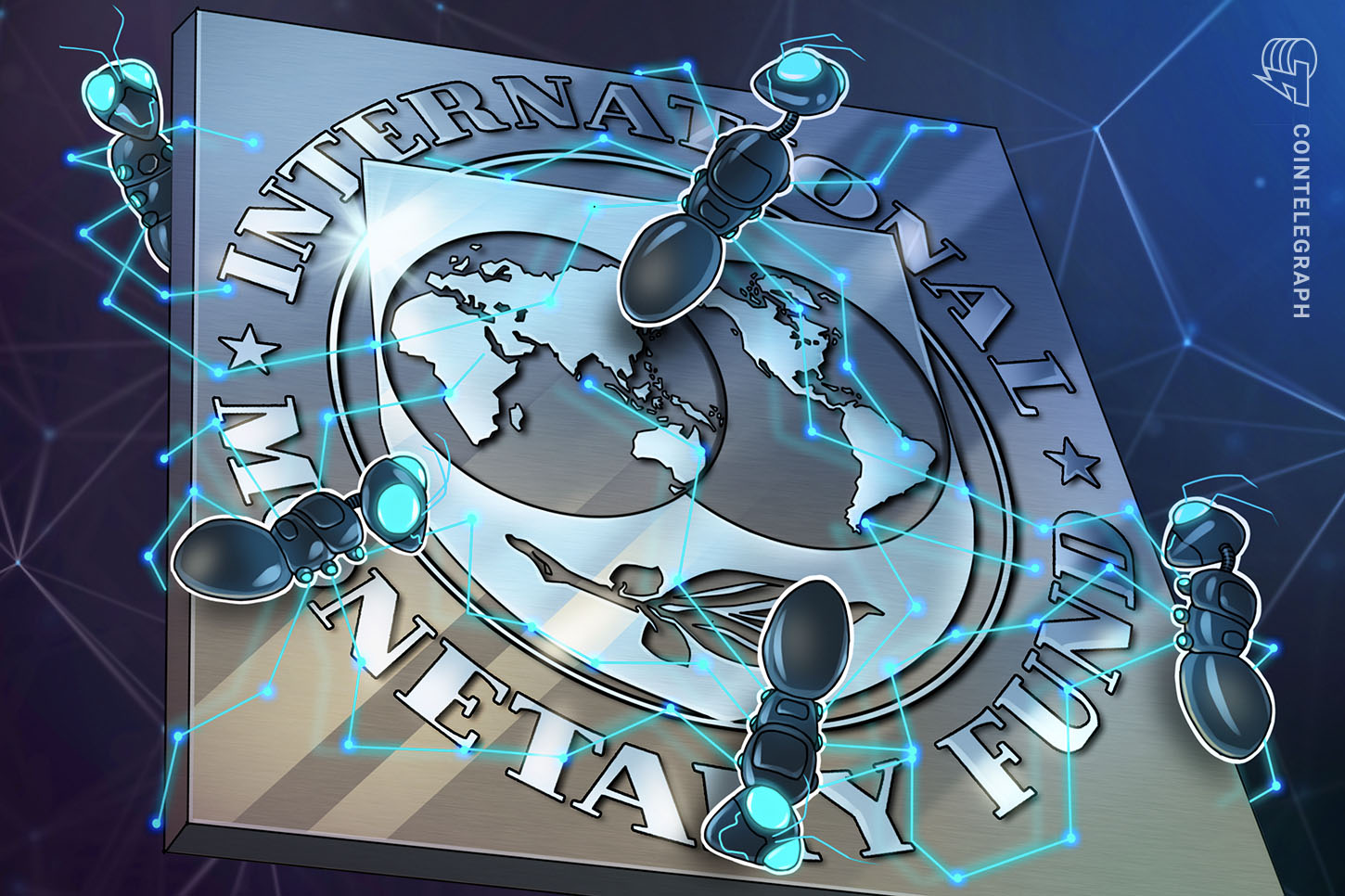
The International Monetary Fund (IMF) has recently highlighted the potential of tokenization in transforming financial settlements. They argue that blockchain technology can streamline processes and enhance efficiency in financial markets. However, the organization also cautions that the current lack of unified standards and regulations could introduce new systemic risks to the financial system.
Why It Matters
The implications of the IMF's insights are significant for both the financial industry and its users. If tokenization is fully adopted, it could lead to faster transaction times and reduced costs for consumers and businesses alike. However, the warning about fragmented regulations suggests that without a cohesive framework, the benefits could be overshadowed by new vulnerabilities in the market.
Context
Blockchain technology has been heralded as a transformative force in finance, promising greater transparency and efficiency. However, the rapid pace of innovation has led to a patchwork of regulations across different jurisdictions. This inconsistency can complicate transactions and create barriers for market participants, leading to concerns about stability and trust in the financial system.
What It Means
The IMF's statement serves as a reminder that while the potential for positive change through tokenization is significant, the financial sector must prioritize establishing comprehensive regulations and standards. Stakeholders need to collaborate to mitigate risks while harnessing the benefits of blockchain technology. As the market evolves, careful consideration will be essential to ensure that the promise of tokenization does not come at the expense of financial stability.